

Flies in Southern Maine:
Identification & Prevention
Flies are one of the most diverse pest categories I deal with in Southern Maine, covering everything from cluster flies overwintering in attics to fruit flies breeding in kitchen drains and black flies swarming outdoors in late spring. Maine’s humid summers, wooded landscapes, wetlands, and coastal areas create ideal conditions for a wide range of fly species throughout the year. Some are primarily outdoor nuisances, some are structural pests that breed indoors, and some overwinter inside walls and attics. Identifying the species correctly is the first step toward effective control. Browse the species below, or contact me for identification and treatment help.
Quick Fact: Many fly species complete their entire life cycle in just days under warm conditions, which is why populations can appear to emerge suddenly from what seemed like a minor problem.
Common Flies in Southern Maine


Why Flies Invade Structures in Southern Maine
Different fly species enter structures for entirely different reasons, which is why identifying the species before attempting control matters.
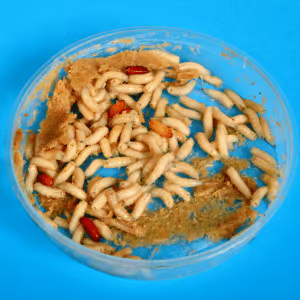
Indoor breeding species like fruit flies, drain flies, phorid flies, and fungus gnats are drawn indoors by fermentation, moisture, organic buildup in drains, and overwatered soil. These species breed inside and will persist indefinitely until the source is eliminated. House flies and little house flies enter through gaps in screens and around doors, attracted by food odors and waste. Blow flies and flesh flies are strongly associated with dead animals in wall voids, attics, or crawl spaces and are often the first sign of a hidden carcass. In commercial food service settings, fly activity involving these species is a serious sanitation and regulatory concern that my commercial pest control services are specifically equipped to address.
Cluster flies are a distinctly seasonal problem in Southern Maine, entering homes through gaps in siding, soffits, and window frames in fall to overwinter in wall voids and attics, then emerging on warm late-winter and spring days. Properties that deal with cluster flies annually are good candidates for a year-round protection plan that addresses entry points before the fall migration begins.
Outdoor biting species including black flies, deer flies and horse flies are primarily outdoor nuisances tied to Maine’s wetlands, wooded areas, and warm-season activity. Mosquitoes fall into a category of their own given their disease transmission risk, and I offer dedicated mosquito and tick control as a separate service.
Identification Tips for Flies in Southern Maine
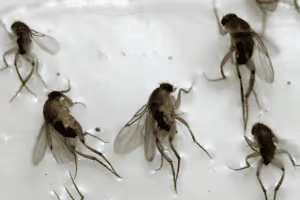
All flies share the defining feature of having only two functional wings, the characteristic that places them in the order Diptera. Beyond that, size, color, and behavior vary considerably across species:
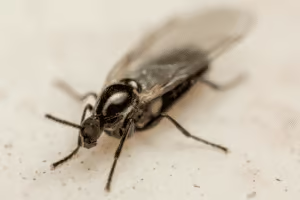
- Black flies: tiny, dark, humpbacked; swarm and bite outdoors near running water in late spring
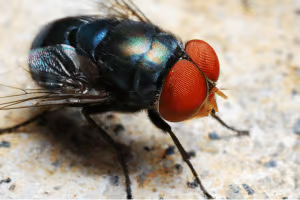
- Blow flies: medium-sized, metallic blue or green; associated with carcasses and garbage
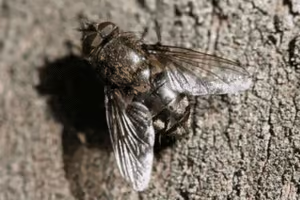
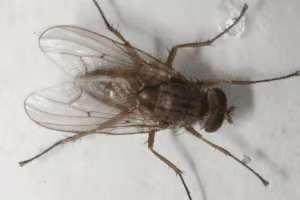
- Cluster flies: slightly larger than house flies, dark gray with golden hairs on the thorax; found in large numbers on sunny walls and windows in fall and spring
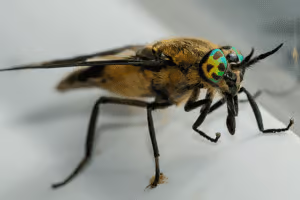
- Deer flies: medium, iridescent green-blue eyes, patterned wings; deliver a painful bite and are active near wooded areas in summer
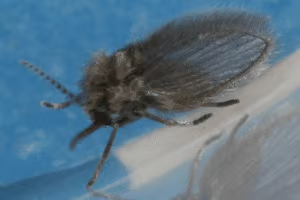
- Drain flies: tiny, moth-like with fuzzy gray wings; found resting near sinks and floor drains
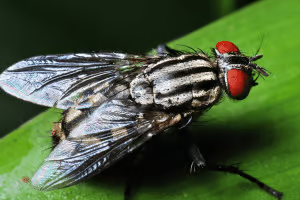
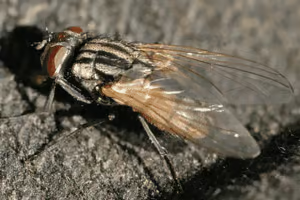
- Flesh flies: medium, gray with striped thorax and red eyes; breed in carrion and waste
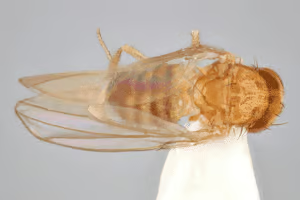
- Fruit flies: tiny, tan with distinctive red eyes; cluster around ripe produce, drains, and recycling bins
- Fungus gnats: tiny, dark, long-legged; associated with overwatered houseplants and moist soil
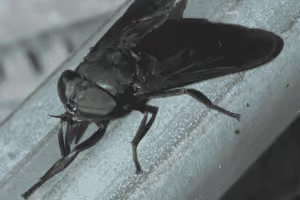
- Horse flies: large, dark, powerful fliers; deliver a sharp painful bite near water and wooded edges
- House flies: medium gray with four dark stripes on the thorax; the most common indoor fly species
- Little house flies: similar to house flies but smaller and more slender; often found flying in slow circles in the center of rooms
- Mosquitoes: slender with long legs and a prominent proboscis; active from late spring through fall, breeding in standing water
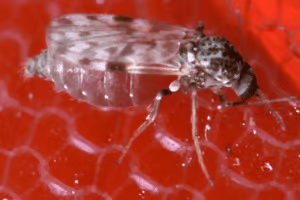
- No-see-ums: nearly invisible biting midges active at dawn and dusk near wetlands and coastal areas; often mistaken for black flies
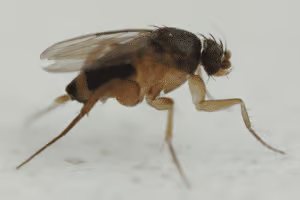
- Phorid flies: tiny, humpbacked, and distinctively run rather than fly when disturbed; strongly associated with drain buildup, decaying organic matter, and occasionally plumbing issues
Behavior & Habits of Flies
Most fly species are diurnal, most active during daylight hours, and rest on walls, ceilings, and vegetation after dark. Larvae require a moist organic medium to develop, whether rotting fruit, drain slime, damp soil, carrion, or animal waste. Life cycles are rapid: under warm Maine summer conditions some species complete egg-to-adult development in less than a week, which explains why populations can appear to emerge suddenly from what seemed like a minor issue. Cluster flies are an exception, spending months dormant in wall voids over winter before becoming active in spring. For more detail on household fly management, the UMaine Extension guide on house flies is a useful resource.
Risks & Threats from Flies
- Pathogen transmission: house flies, blow flies, and flesh flies carry bacteria including E. coli and Salmonella on their bodies and mouthparts, contaminating food prep surfaces on contact
- Food contamination: fruit flies and drain flies are a significant sanitation concern in kitchens and commercial food service environments
- Biting and allergic reactions: black flies, deer flies, horse flies, and mosquitoes all bite and can trigger allergic reactions ranging from localized swelling to more serious responses
- Disease vectors: mosquitoes in Southern Maine are a known vector for Eastern Equine Encephalitis (EEE) and West Nile virus; dedicated mosquito and tick control is available as a separate service
- Indicator of underlying issues: blow flies, flesh flies, and phorid flies appearing indoors often signal a hidden dead animal, drain problem, or plumbing issue that needs to be located and resolved before treatment can be effective
General Prevention Tips for flies
- Install and maintain tight-fitting screens on all windows and doors to block entry by house flies and other common species
- Keep trash bins sealed and empty them regularly, particularly during summer when blow flies and house flies are most active
- Clean drains regularly with a brush and enzymatic cleaner to eliminate the organic buildup that drain flies and phorid flies breed in
- Store ripe produce in the refrigerator and keep recycling bins rinsed and covered to reduce fruit fly breeding sites
- Seal gaps around soffits, siding, and window frames before September to prevent cluster fly entry ahead of their fall overwintering migration
- Eliminate standing water around the property including clogged gutters, low spots, birdbaths, and containers to reduce mosquito breeding habitat
- In wooded areas, use repellent and wear long sleeves during peak black fly season in May and June
- Consider a year-round protection plan for properties with recurring seasonal fly activity such as annual cluster fly entry or persistent warm-weather drain fly issues
Frequently Asked Questions
Size, color, location, and behavior are the fastest clues. Tiny red-eyed flies near the kitchen are almost certainly fruit flies. Fuzzy moth-like flies near drains are drain flies. Large metallic blue or green flies near a wall void often indicate a dead animal. Dark gray flies massing on sunny windows in fall or spring are cluster flies. If you are unsure, I can confirm the species before any treatment begins.
The breeding source may not have been fully eliminated. For fruit flies, an overlooked drain, a forgotten piece of produce, or a damp area under an appliance can sustain a population indefinitely. For drain flies, a single neglected floor drain or slow-draining sink is enough. For house flies, gaps around doors and windows allow continuous re-entry. Identifying exactly where they are breeding is the key step that store-bought treatments typically skip.
Possibly either. Fruit flies are tan with red eyes and cluster near produce and recycling. Drain flies are gray and fuzzy and rest near sinks and drains. Fungus gnats are dark and long-legged and associated with houseplant soil. Phorid flies are tiny and humpbacked and tend to run across surfaces rather than fly. All four are common in Southern Maine kitchens and each requires a different response, which is why identification matters before treatment.
House flies, blow flies, and flesh flies can carry pathogens including Salmonella and E. coli on their bodies and mouthparts and transfer them to food and preparation surfaces. Mosquitoes are the more serious disease vector in Southern Maine, with established populations carrying Eastern Equine Encephalitis and West Nile virus. Biting flies including black flies, deer flies, and horse flies can cause allergic reactions in sensitive individuals.
For isolated indoor species like a small fruit fly problem, source elimination and sanitation often resolves it without professional help. For persistent drain fly or phorid fly activity, cluster fly entry into walls and attics, or any situation involving blow flies or flesh flies appearing from an unknown source indoors, professional inspection to locate the breeding or entry source is the most reliable path to resolution.
It varies by species. Black flies peak in May and June in wooded areas. Mosquitoes are active from late spring through early fall. Horse flies and deer flies are most aggressive in July and August. House flies and fruit flies peak in summer but can be active year-round indoors. Cluster flies begin entering structures in September and October and emerge again on warm days from February through April. Drain flies, fruit flies, fungus gnats, and phorid flies can persist indoors throughout the year if breeding sources are not eliminated.
Professional Fly Control in Southern Maine
Effective fly control starts with correct identification because the treatment approach varies significantly by species. Indoor breeding species require locating and eliminating the breeding source rather than simply treating adult flies. Structural overwintering species like cluster flies require exclusion work timed to the fall migration. Biting outdoor species require a different approach altogether. My common pests control services cover the full range of fly species found in Cumberland and York Counties, and dedicated mosquito and tick control is available as a separate service. Contact me to schedule a free consultation.