

Stinging Insect Control in Southern Maine
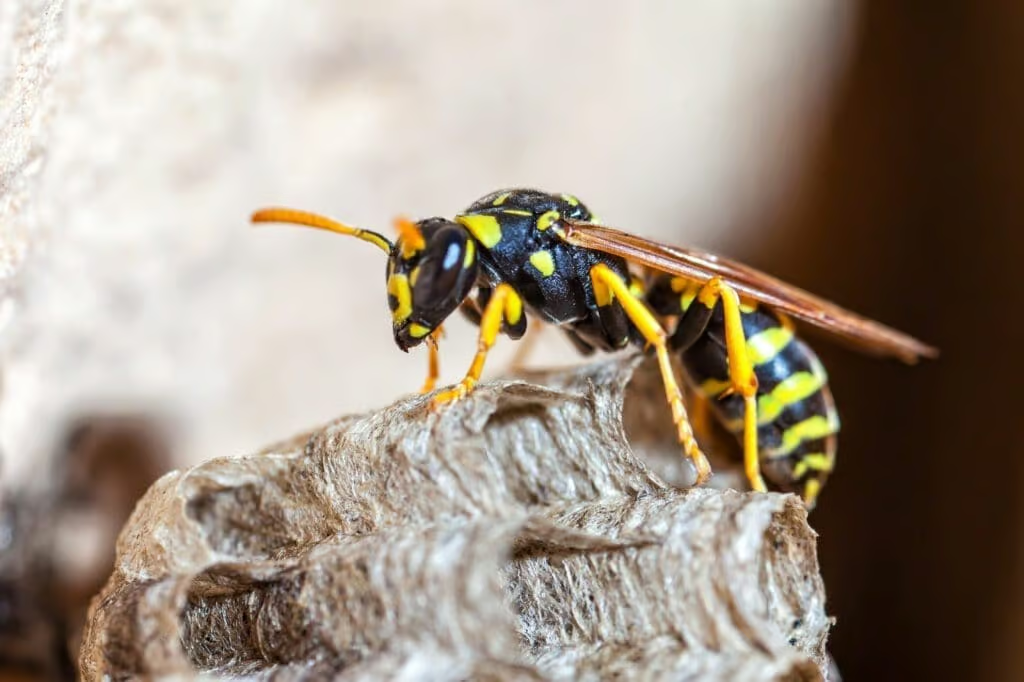
Controlling Stinging Insects in Maine
Need stinging insect control in Southern Maine? If wasps, hornets, or yellow jackets are building nests near your Cumberland or York County home or business, you are not alone. I provide effective treatment and prevention tailored to Southern Maine’s wooded and coastal areas. I handle aggressive species like bald-faced hornets in trees and paper wasps under eaves with low-impact methods that minimize disturbance to your family, pets, and property. If you are ready for relief from stinging insects in your Sebago home or Windham business, contact me today for a free inspection.
Common Stinging Insects I Handle in Southern Maine
Southern Maine’s warm summers, abundant wooded areas, and mix of open yards and natural landscapes create ideal nesting and foraging conditions for a variety of stinging insects that can become aggressive near homes. Yellow jackets form large colonies in ground nests, while bald-faced hornets build aerial paper nests. These pests defend their colonies vigorously and can sting multiple times, posing real risks during outdoor activities. I use integrated pest management techniques to identify, treat, and help prevent activity from returning with minimal environmental impact. Below are the most common stinging insects I treat regularly in Limerick and Westbrook.
- Yellow Jackets: Social stinging insects that can form colonies of thousands, peaking in late summer and often becoming a problem during outdoor gatherings.
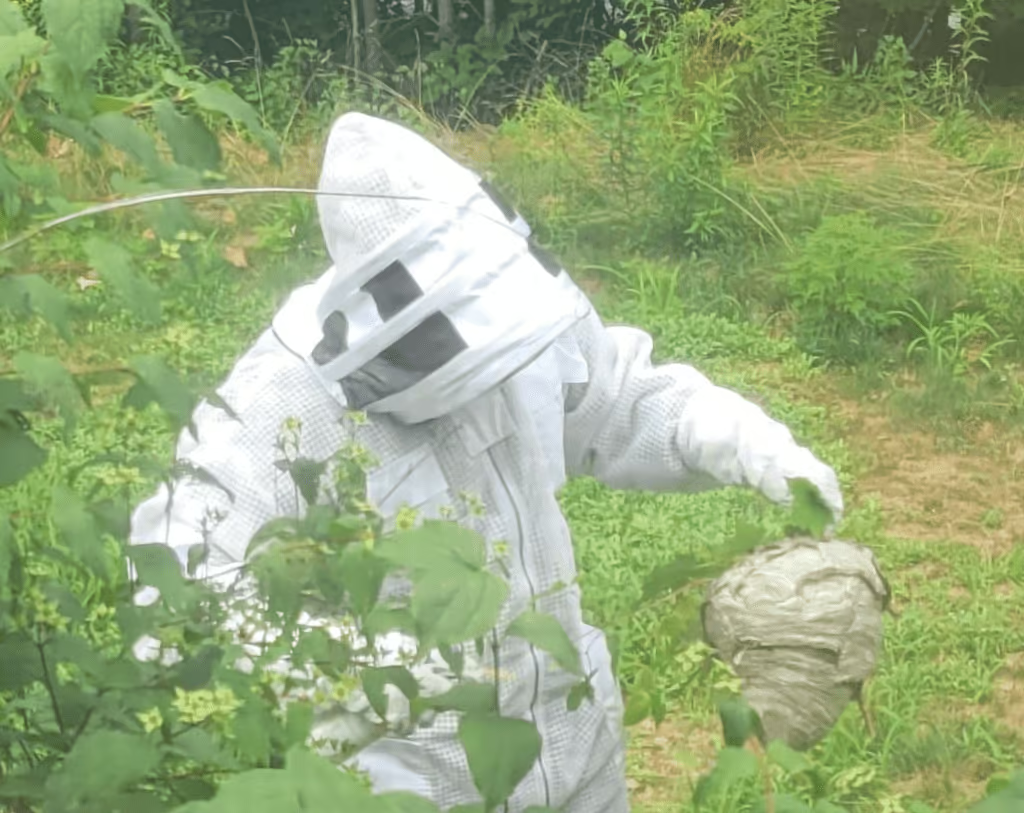
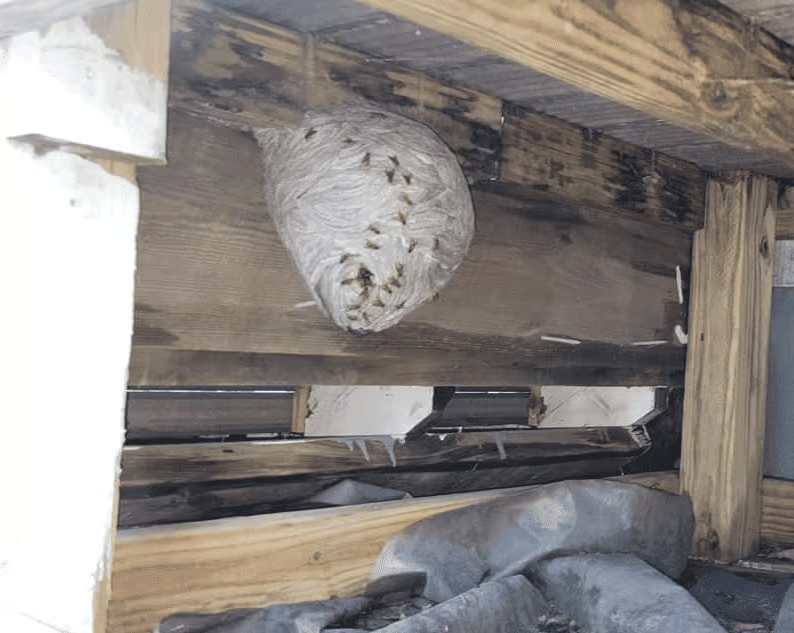
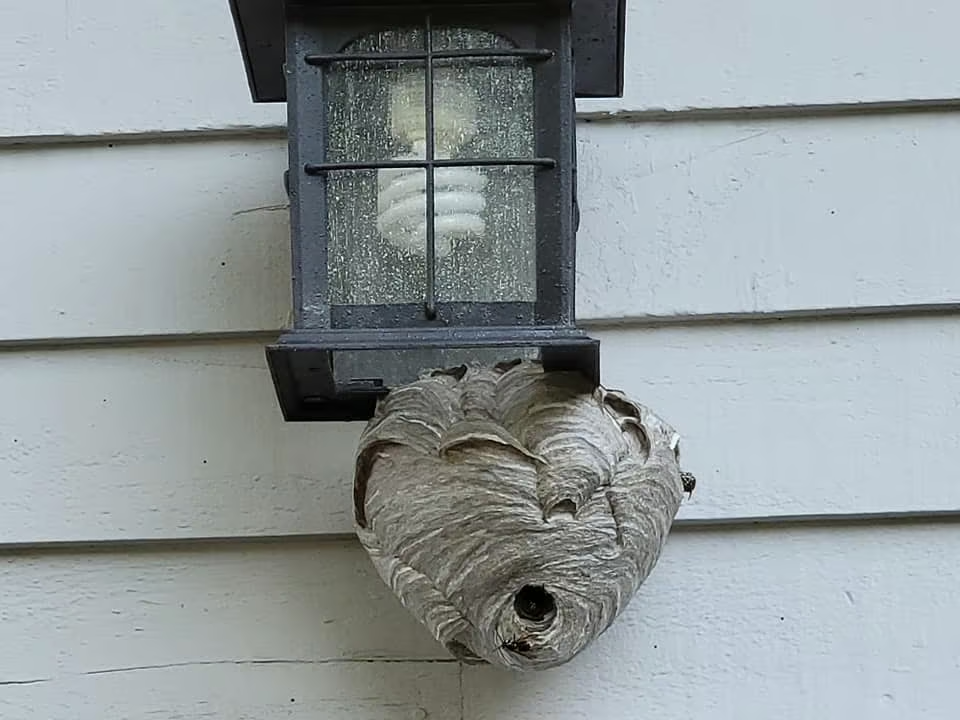
- Bald-Faced Hornets: Larger stinging insects with distinctive black and white markings, building aerial paper ball nests and becoming highly defensive near their colonies.
- Paper Wasps: Slender-bodied wasps that build open umbrella-shaped nests under eaves, window frames, and overhangs throughout the warmer months.
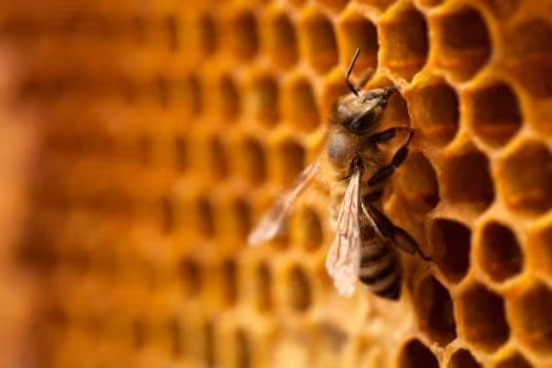
- Carpenter Bees: Bees that drill into wood to create nesting galleries, causing cosmetic damage and potential minor structural weakening over time.
- Solitary Wasps and Bees: Non-social stinging insects that build individual nests and are generally less aggressive than social species.
Not seeing your stinging insect issue? Contact me. Most common species are covered and I will put together a personalized plan. For more identification help, check the University of Maine Extension guide on hornets, wasps, and yellowjackets.
Risks of Stinging Insects
Stinging insects pose real dangers beyond painful stings, especially in Southern Maine where nests can grow large in hidden or hard-to-reach spots. Disturbed colonies may swarm and attack, leading to multiple stings that cause swelling, itching, or allergic reactions including anaphylaxis in sensitive individuals. Nests inside walls or attics can be difficult to access and may allow insects to find their way into living spaces. Carpenter bees are the exception, boring into wood repeatedly over multiple seasons which can cause cosmetic damage and minor weakening over time.
- Painful, multiple stings from defensive colonies like yellow jackets or bald-faced hornets
- Allergic reactions including severe anaphylaxis in some individuals
- Nests in walls or attics can be difficult to access and may lead to insects entering living spaces
- Wood damage from carpenter bees boring nesting galleries over multiple seasons
- Health risks from secondary infections, particularly in vulnerable individuals
My Stinging Insect Control Process
When you call, I start with a thorough inspection to locate the nest, assess its size, and identify the species. Treatment approach varies by species, as yellow jackets in the ground, paper wasps under eaves, and bald-faced hornets in trees each require a different method. I use targeted treatment with minimal disturbance, timing the application when insects are least active when the situation calls for it. I remove the nest when it is accessible and doing so is practical. Using integrated pest management, I focus on addressing the root cause rather than just the visible nest. For ongoing coverage, ask about my year-round pest protection plan.
What You Can Expect:
- Thorough inspection and species identification
- Low-disturbance treatment timed to minimize colony activity
- Nest removal when accessible and practical
Prevention Tips for Southern Maine Properties
Preventing future nests is often easier than dealing with an active colony, especially in Maine’s seasonal climate where spring warmth triggers nest-building activity. Sealing gaps in eaves, siding, and vents early in the season blocks access for paper wasps and yellow jackets. Removing food sources like open garbage or pet food reduces yellow jacket attraction, while trimming overgrown vegetation reduces nesting sites for bald-faced hornets. Treating or painting exposed wood surfaces discourages carpenter bees from boring holes. Simple steps like these make a real difference during the warmer months. I will share personalized prevention tips during your free inspection.
Practical Prevention Tips:
- Seal gaps in eaves, siding, vents, and screens early in spring to block access for paper wasps and yellow jackets
- Remove attractive food sources like open garbage, pet food, and fallen fruit to deter yellow jacket foraging
- Trim overgrown vegetation and tree branches away from the house to reduce nesting sites for bald-faced hornets
- Treat or paint exposed wood surfaces to discourage carpenter bees from drilling nesting galleries
- Monitor ground holes and low areas for yellow jacket activity and address early before colonies grow
Don’t risk painful stings or dangerous reactions from wasps, hornets, or yellow jackets. Contact Precision Pest Control today for safe, humane, and effective stinging insect control in Southern Maine.