

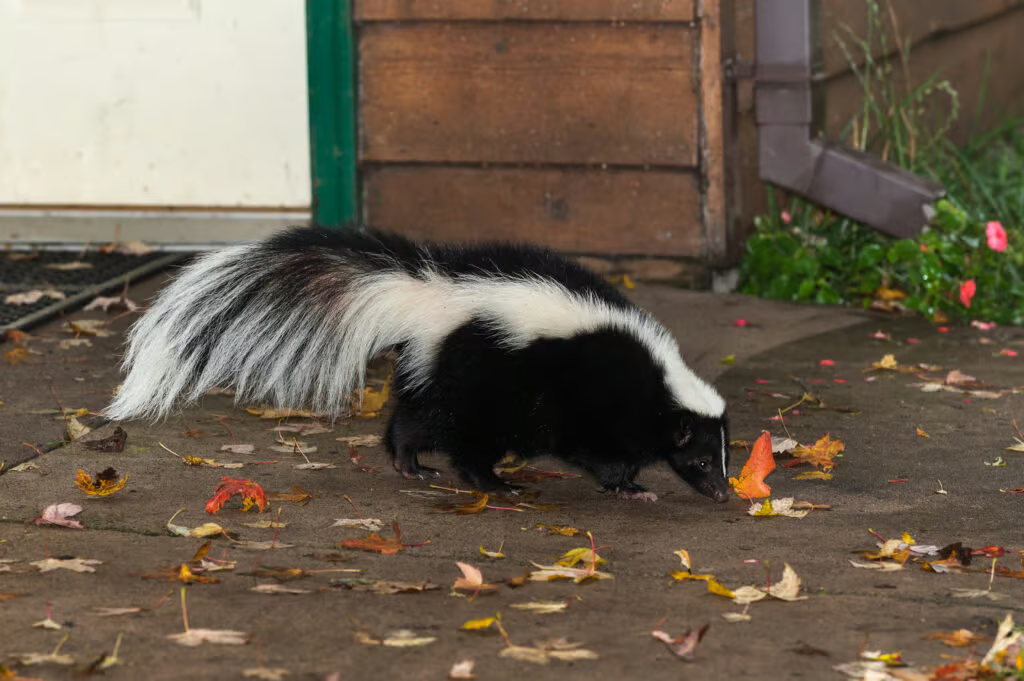
As temperatures drop across Cumberland and York Counties, squirrels and skunks start looking for a warmer place to spend the winter. Both are common calls for me this time of year, and both cause a very different kind of problem than the mice and insects that also try to get inside this season.
Squirrels: Rooflines and Attics
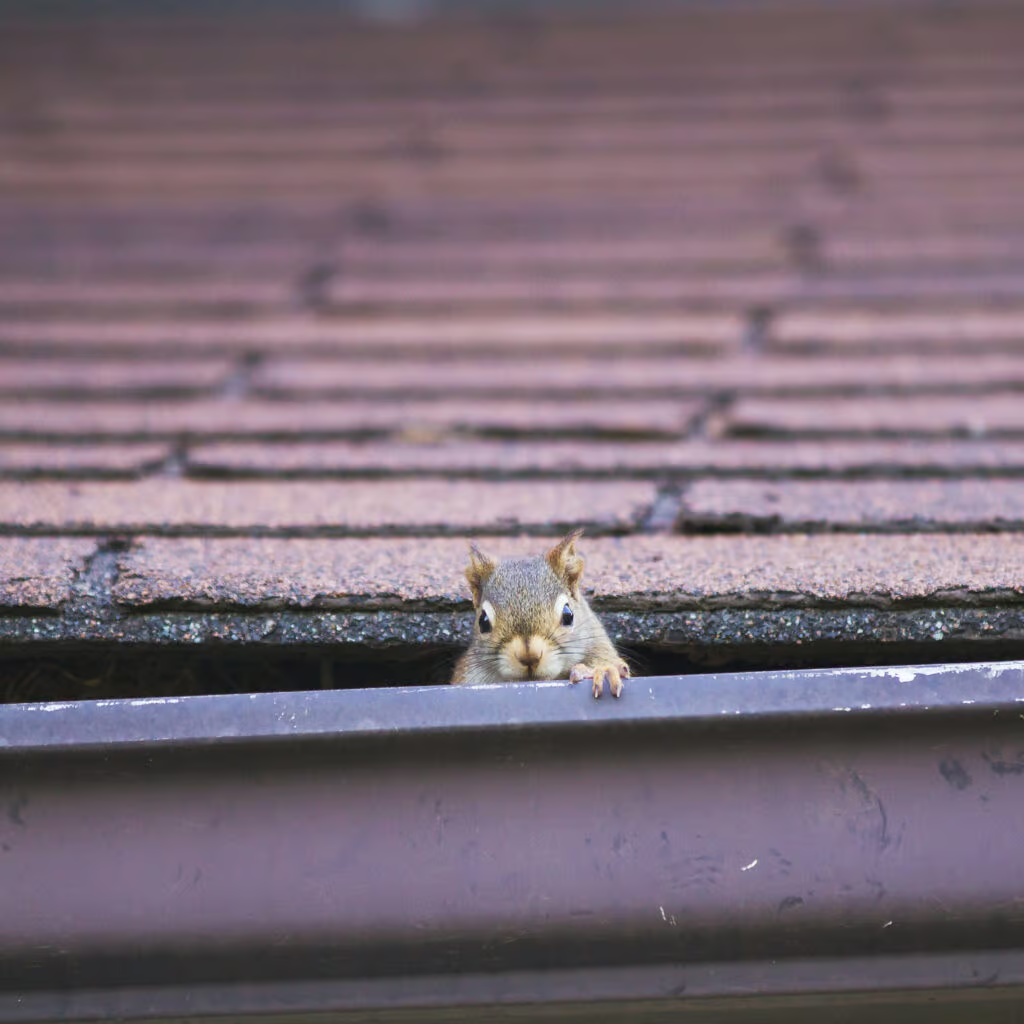
Southern Maine has a few different squirrel species that cause problems around homes, and they don’t all behave the same way. Gray squirrels are the ones most homeowners picture, and they’re the most common attic invaders, drawn in by overhanging tree limbs that touch the roofline along with gaps in fascia boards or soffits. Red squirrels are smaller and more aggressive about finding a way into a structure, often squeezing through gaps gray squirrels can’t fit through. Flying squirrels are nocturnal and easy to miss entirely, since they’re smaller, quieter during the day, and often go unnoticed until there are several of them denned up together in an attic or wall void.
A tree limb resting against a roof edge is basically a bridge, and once a squirrel is on the roof, it doesn’t take much of a gap to get into an attic space.
Once inside, squirrels chew on wiring and framing, shred insulation for nesting material, and can be surprisingly loud, especially at dawn and dusk when they’re most active. A single squirrel in an attic can cause real damage over just a few weeks, and a female setting up a nest site often means more than one animal is involved.
Signs to watch for include scratching or scurrying sounds in the attic or walls, chewed wood or wiring, and droppings near attic entry points. Trimming back tree limbs that overhang the roof and sealing fascia and soffit gaps before they’re used are the most effective ways to keep squirrels from getting a foothold in the first place.
The right removal approach depends on which species is involved and how they’re using the space. Flying squirrels in particular often den in groups and behave differently than gray or red squirrels, so what works for one situation can be the wrong call for another. This is something I evaluate on site rather than guess at ahead of time.
Skunks: Decks, Sheds, and Foundations
Skunks become more active in fall as they prepare for winter, and that activity often brings them right up against a house. Common den sites include the space under a deck or shed, gaps in foundations, and crawl spaces. A skunk doesn’t need much of an opening to move in, and once denned up, it can stay put for months.
The most common tip-off isn’t damage, it’s smell. A persistent musky odor near a foundation, deck, or shed, especially if a pet has come inside reeking after being outside at night, is a strong sign a skunk has set up nearby. Small, cone-shaped holes in a lawn are another sign, since skunks dig for grubs as a food source.
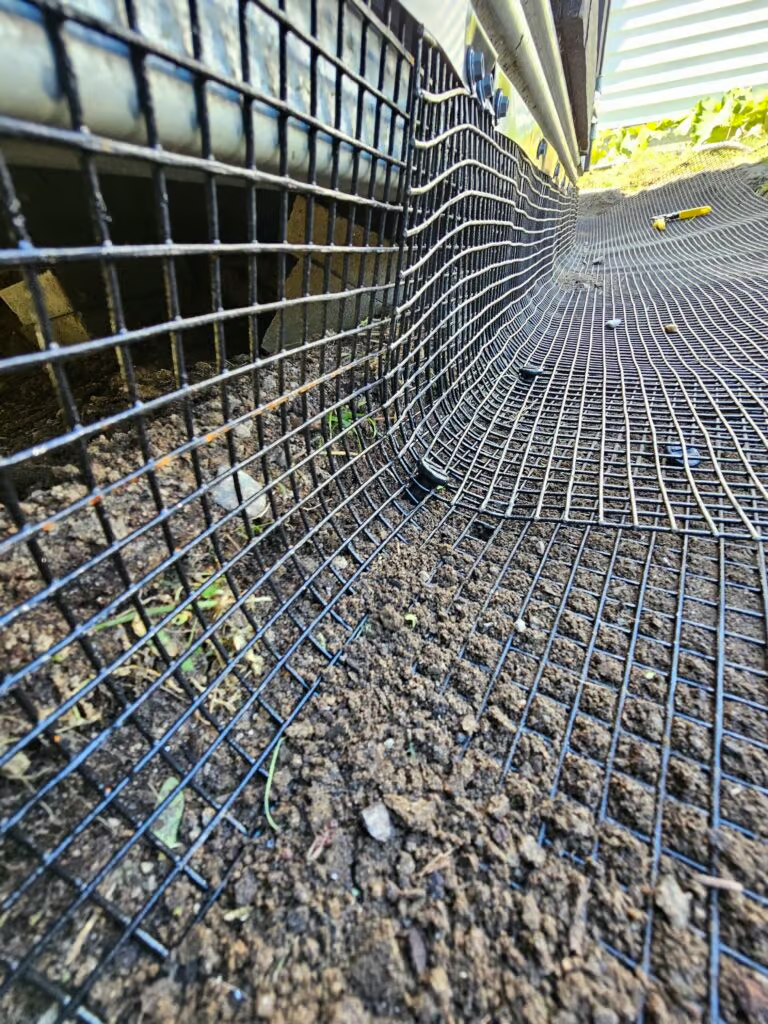
Closing off gaps under decks and sheds with hardware cloth, and keeping grub populations in a lawn under control, both reduce what draws a skunk onto a property in the first place.
What About Raccoons?
Raccoons get a lot of attention as a wildlife nuisance, but in southern Maine their peak season for moving into attics is actually late winter into early spring, not fall. That’s when pregnant females are searching for a maternity den site ahead of giving birth in April and May. If you’re dealing with raccoon activity in the fall, it’s usually not gone by spring, so it’s still worth addressing, but the bigger wave of raccoon calls I get happens later in the year.
Can You Trap These Animals Yourself?
Maine has specific rules around who can trap wildlife and under what circumstances, and they’re not always intuitive. I’ve written a separate post covering Maine wildlife trapping laws for homeowners that walks through what you’re allowed to do on your own property versus when you need a licensed agent involved, worth a read before attempting anything yourself.
If You’re Hearing or Smelling Something
I’m licensed as an Animal Damage Control agent through the Maine Department of Inland Fisheries and Wildlife, and my approach starts with figuring out what’s actually going on and how the animal is getting in, not just setting a trap. Removing one animal without addressing the entry point usually means another one moves in behind it.
If you’re hearing movement in your attic or noticing a skunk smell that won’t go away, reach out and I can take a look at your nuisance wildlife control options.