

Woodchucks in Southern Maine:
Identification, Prevention, and Control

Woodchucks, also known as groundhogs, are a common sight throughout Southern Maine, especially in the wooded and suburban neighborhoods of Biddeford and Saco. These large burrowing rodents frequently dig extensive tunnels under foundations, decks, and gardens of older homes while feeding on vegetation. If you notice large holes with fresh dirt mounds or clipped plants in your yard, get your free inspection today.
What Are Woodchucks?
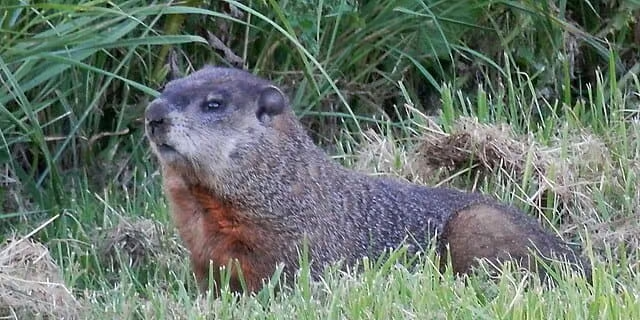
Woodchucks (Marmota monax), also called groundhogs, are the largest member of the squirrel family in Maine. They have stocky brown bodies, short legs, a short bushy tail, and small rounded ears. Adults weigh 4 to 14 pounds and measure 16 to 26 inches long. They are excellent diggers and hibernate through winter in deep burrows.
Diurnal and territorial, they thrive in our humid coastal climate in open fields, forest edges, and suburban yards where they feed on grasses, clover, and garden crops. They are one of the most structurally damaging of the nuisance wildlife species found in Southern Maine, as their burrow systems can extend far enough under foundations and driveways to cause serious collapse risks that go unnoticed until significant damage has already occurred.
According to the Maine Department of Inland Fisheries and Wildlife they are common throughout central and southern Maine.

Signs of Infestation
These clues usually appear first in lawns, gardens, under decks, or near foundations.
- Large 10–12 inch diameter holes with fresh fan-shaped dirt mounds
- Clipped or eaten garden plants, especially beans, peas, and leafy greens
- Short, whistle-like alarm calls during the day when disturbed
- Tracks with four toes on front feet and five on hind feet in soft soil
- Tubular scat 1–2 inches long often containing plant fibers
- Burrows under sheds, decks, porches, or retaining walls
- Chewed or gnawed wooden structures near ground level
- Collapsed soil or sunken areas from underground tunnels
In Standish and Windham homes these signs often increase in spring and early summer when woodchucks emerge from hibernation and feed heavily.
Risks in Southern Maine
In our damp, wooded region woodchucks can undermine foundations and patios through extensive burrowing, destroy vegetable gardens, and create trip hazards or collapse risks in lawns. Older coastal homes with open yards and stone foundations are especially vulnerable because tunnels can extend 30 feet or more.
While they rarely transmit diseases to people, their activity can attract other pests and lead to costly structural repairs. My low-impact approach follows best practices from the Maine DACF Got Pests – Woodchucks page and focuses on safe, targeted solutions for local conditions. Woodchucks are most often confused with chipmunks, which also burrow near foundations but are far smaller and cause much less structural displacement, or with porcupines, which are similarly large and solitary but cause gnawing damage to trees and wooden structures rather than burrowing damage to foundations and gardens.
Prevention Tips
Simple exclusion and habitat modification steps protect your home in Southern Maine.
- Install ¼-inch hardware cloth or metal flashing around garden beds and foundations
- Seal gaps and holes 4 inches or larger with heavy-gauge metal flashing or concrete
- Remove woodpiles, brush, and tall grass near the house
- Use fencing buried 12 inches deep around vegetable gardens
- Store pet food and garbage in metal rodent-proof containers
- Trim vegetation and keep lawns mowed short around foundations
- Install motion-activated lights or sprinklers near burrow-prone areas
- Inspect and repair retaining walls, decks, and shed foundations every season
These steps prove especially effective in Scarborough and Buxton homes with open yards and older foundations.
Professional Treatment
When prevention is not enough I provide targeted, low-impact control. I locate active burrow systems and entry points under decks, foundations, and gardens. Treatments are customized for each property. A single family home in Biddeford may need different focus than a business in Saco. I handle the entire process myself from start to finish.
Learn more about my background and methods on the About page. Contact me today to schedule your free inspection on the Contact page. If woodchucks are burrowing under your foundation, deck, or garden, my nuisance wildlife control services in Southern Maine provide humane removal and targeted exclusion to eliminate active burrows and prevent new ones from forming.
Frequently Asked Questions
They dig or squeeze through gaps 4 inches or larger under foundations, decks, porches, and around utility entries.
Yes, they are native wildlife. I always follow Maine regulations and prioritize humane exclusion and relocation whenever possible and permitted.
Rarely once they have established a burrow system and food source near or inside your home. Prompt exclusion is the most effective way to encourage them to move out permanently.
Related Resources
- Read the full species profile from the Maine Department of Inland Fisheries and Wildlife
- Find practical identification and control tips on the Maine DACF Got Pests – Woodchucks page
Why Choose Precision Pest Control?
Your local solo specialist, I offer customized, low-impact pest control fitted to Southern Maine challenges for homes and businesses. Protect your property today. Reach out for your free inspection.