

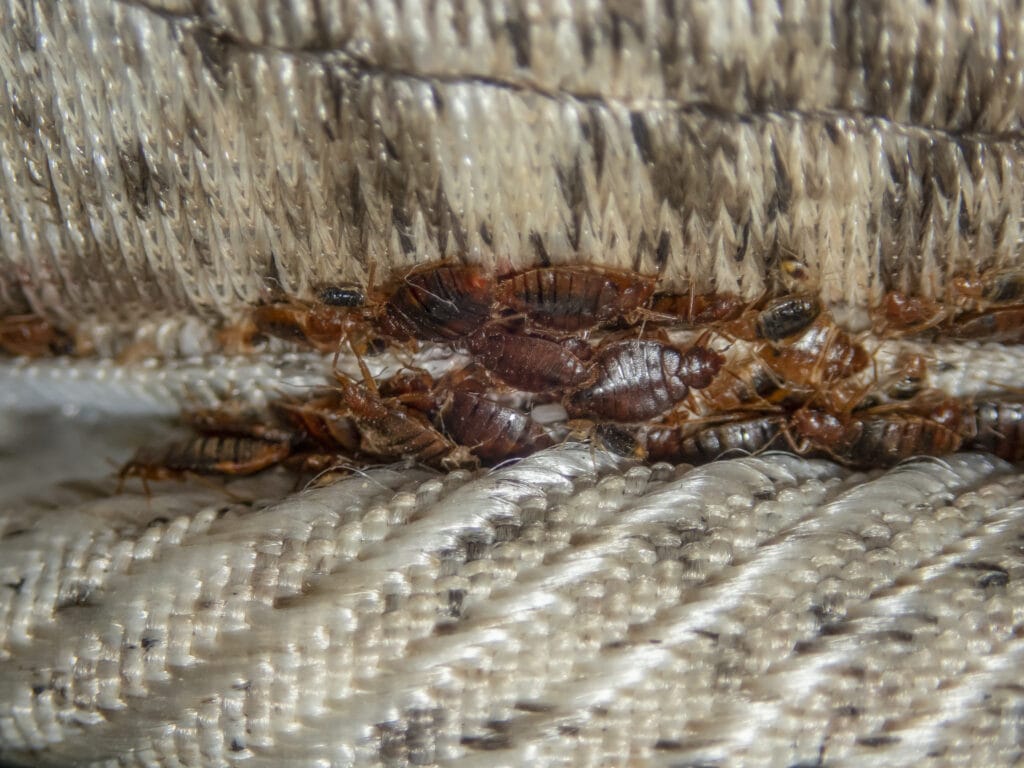
Bed bugs are one of the most stressful pest problems any property owner or manager can face. They spread quietly, survive for months without feeding, and respond poorly to most over-the-counter products. As an Associate Certified Entomologist with more than 16 years of experience serving Cumberland and York Counties, I handle bed bug cases throughout southern Maine regularly. Here is what you actually need to know before the problem gets worse.
Why Bed Bugs Are Difficult to Control on Your Own
Bed bugs (Cimex lectularius) are nocturnal and incredibly good at hiding. During the day they shelter in mattress seams, behind headboards, inside electrical outlets, under baseboards, and inside wall voids. A single female can lay hundreds of eggs over her lifetime, and eggs are resistant to most sprays. By the time most people notice bites or blood spots on their sheets, an infestation is already well established.
The pattern of bites alone is not reliable for identification. Bites vary widely from person to person, and some people show no reaction at all. Proper identification requires finding and confirming the actual insect.
The Problem with Over-the-Counter Products
This is one of the most important things to understand: the majority of over-the-counter bed bug products are repellents, not killers. Products like sprays containing essential oils or even some pyrethrin-based aerosols do not eliminate bed bugs. They scatter them.
When bed bugs encounter a repellent, they move away from the treated area and disperse deeper into the structure or into adjacent rooms and units. What started as a problem in one bedroom can quickly spread throughout an apartment or into neighboring units. In a multi-unit building, this is how a manageable situation becomes a building-wide infestation.
If you are a property manager and a tenant has already used store-bought sprays, make sure to mention that during the initial inspection. It changes the scope of the problem.
Collect a Specimen for Proper Identification
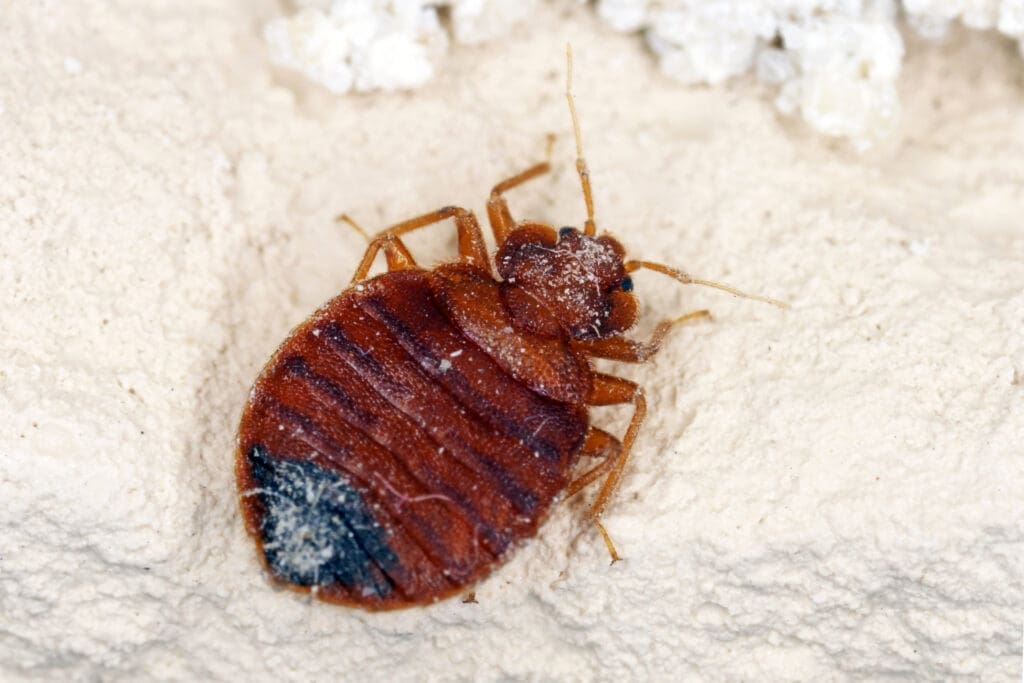
Before any treatment plan is created, the pest needs to be confirmed. Not every bite or rash is a bed bug. Other insects including bat bugs, swallow bugs, and even spider beetles are frequently misidentified as bed bugs. Treating for the wrong pest wastes time and money.
If you find a suspect insect, here is what to do:
- Place it in a sealed plastic bag or a small container with a lid.
- Do not crush it if you can avoid it. Intact specimens are much easier to identify.
- A cell phone photo taken close up can also be helpful for a preliminary look.
- Contact a licensed pest control professional for a confirmed identification before doing anything else.
For Property Managers: Check Adjacent Units Immediately
If a confirmed bed bug infestation is found in one unit of a multi-family property, adjacent units must be inspected right away. Bed bugs move through wall voids, along pipes, and through shared spaces. Treating a single unit without inspecting units that share walls, floors, or ceilings above and below is a common mistake that leads to treatment failures and repeat calls.
Standard protocol calls for inspecting at minimum the units that directly touch the infested unit on all sides. Depending on the layout of the building, that could mean two to four or more units.
Prompt documentation also matters. Keeping records of inspection dates, findings, and treatments protects property owners from liability and demonstrates due diligence.
What Effective Bed Bug Treatment Actually Looks Like
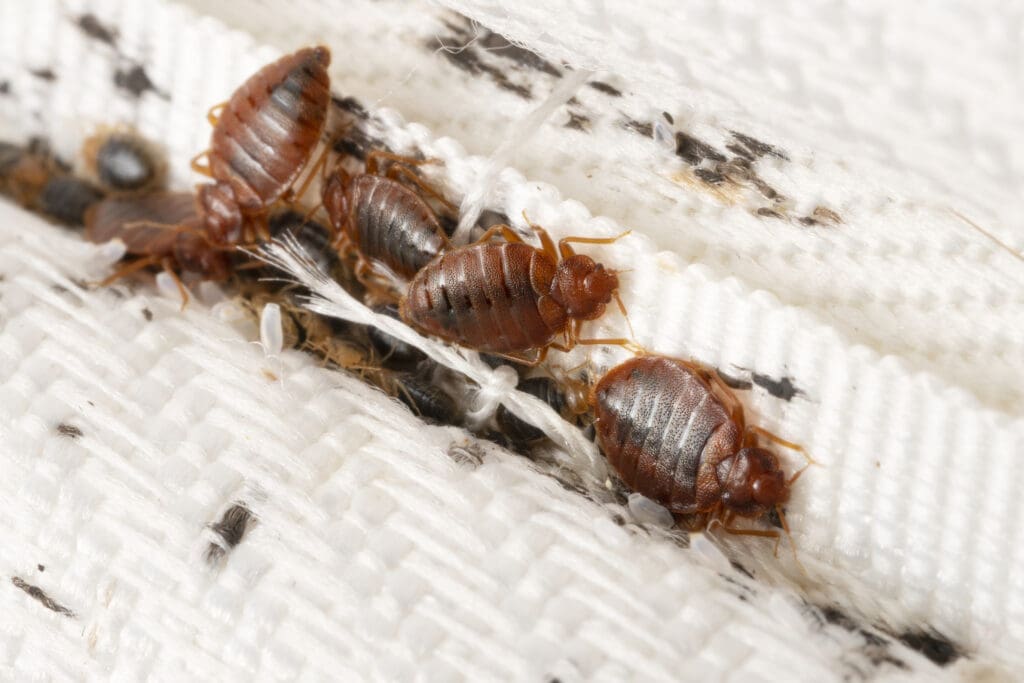
Professional bed bug treatment relies on thorough application of professional-grade products that are not available over the counter. These include residual treatments targeting harborage areas such as mattress seams, bed frames, baseboards, and wall voids, as well as contact treatments for active insects. A follow-up inspection is standard to confirm the treatment worked and address any remaining activity.
There is no single-visit guarantee with bed bugs. Anyone telling you otherwise should be questioned. Proper treatment takes thoroughness, follow-through, and in some cases multiple visits.
What You Can Do Right Now
- Do not move furniture, bedding, or clothing out of the affected room until a professional has inspected. Moving items spreads the infestation.
- Do not use over-the-counter sprays or foggers.
- Encase mattresses and box springs in bed bug-rated encasements to trap any bugs inside and make future inspections easier.
- Wash and dry all bedding on the highest heat settings the fabrics will allow.
- Collect a specimen if possible and contact a licensed pest control professional.
Serving Southern Maine with Straightforward Bed Bug Solutions
Precision Pest Control provides bed bug inspections and treatment for homeowners and property managers throughout Portland, Scarborough, Biddeford, Saco, Sanford, Standish, Westbrook, Gorham, Kennebunk, Old Orchard Beach, and all of southern Maine. As a solo operator with 16-plus years of experience and an Associate Certified Entomologist credential, every inspection and treatment is handled personally, not passed off to a rotating crew.
If you suspect bed bugs or need a professional inspection for your property, call 1-207-291-0840 or send a message through the contact page. The sooner the inspection happens, the smaller the problem stays.