

Bed Bugs in Southern Maine:
Identification & Prevention
Bed bugs are among the most stressful pest problems a Southern Maine homeowner or property manager can face. They hitchhike into homes, apartments, and hotels on luggage, clothing, and used furniture, and once established they spread quickly and are difficult to eliminate without professional treatment. I started my pest control career as a bed bug technician, so this is a pest I know thoroughly. In coastal towns, vacation rental properties, and multi-unit housing throughout Cumberland and York Counties, bed bug infestations have become increasingly common. Learn about the species found in Southern Maine below, or contact me for identification and treatment help.
Quick Fact: Bed bugs in Maine can survive up to a year without feeding, with females laying 200-500 eggs in their lifetime.
Common Bed Bugs in Southern Maine
How Do Bed Bugs Become Enter Southern Maine Structures?
Unlike most pests, bed bugs are not drawn indoors by food sources or moisture. They are introduced passively by hitchhiking on clothing, luggage, second-hand furniture, and personal belongings. Infestations most commonly begin after travel, after purchasing used items, or through shared walls in multi-unit housing where an infestation spreads from one unit to another. The EPA recommends inspecting all second-hand furniture and using protective mattress encasements as the most practical prevention steps.
Southern Maine’s seasonal tourism, active short-term rental market, and the popularity of thrift stores and yard sales all contribute to regular introduction opportunities. Once inside, bed bugs seek warm harborage close to sleeping areas, hiding in mattress seams, box springs, bed frames, baseboards, and behind outlet covers. They can survive in walls and furniture through Maine winters without feeding, making early detection critical before populations grow.
Bat bugs are a related but distinct species sometimes found in Southern Maine structures. Unlike bed bugs, bat bugs enter via bat roosts in attics or wall voids and migrate into living spaces when their primary hosts depart. Bat removal falls outside the scope of my services, but I can refer you to licensed nuisance wildlife operators if needed.
Identification Tips for Bed Bugs in Southern Maine
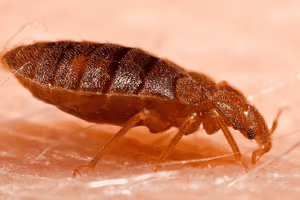
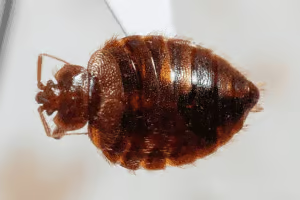
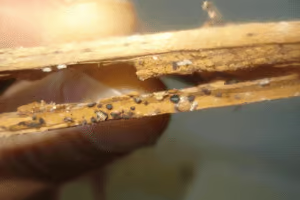
Bed bugs are flat and oval with no wings, reddish-brown in color, and roughly the size of an apple seed at 4 to 5mm as adults. Nymphs are smaller and pale yellow or translucent until they feed, at which point they take on a brighter red color. Signs of infestation to look for include rusty or dark fecal spots on mattresses and nearby surfaces, shed exoskeletons in mattress seams, a sweet musty odor in heavily infested rooms, and bite marks appearing in lines or clusters on exposed skin.
A few quick identification notes:
- Bed bugs hide during the day in mattress seams, headboards, box springs, bed frames, baseboards, and behind electrical outlet covers
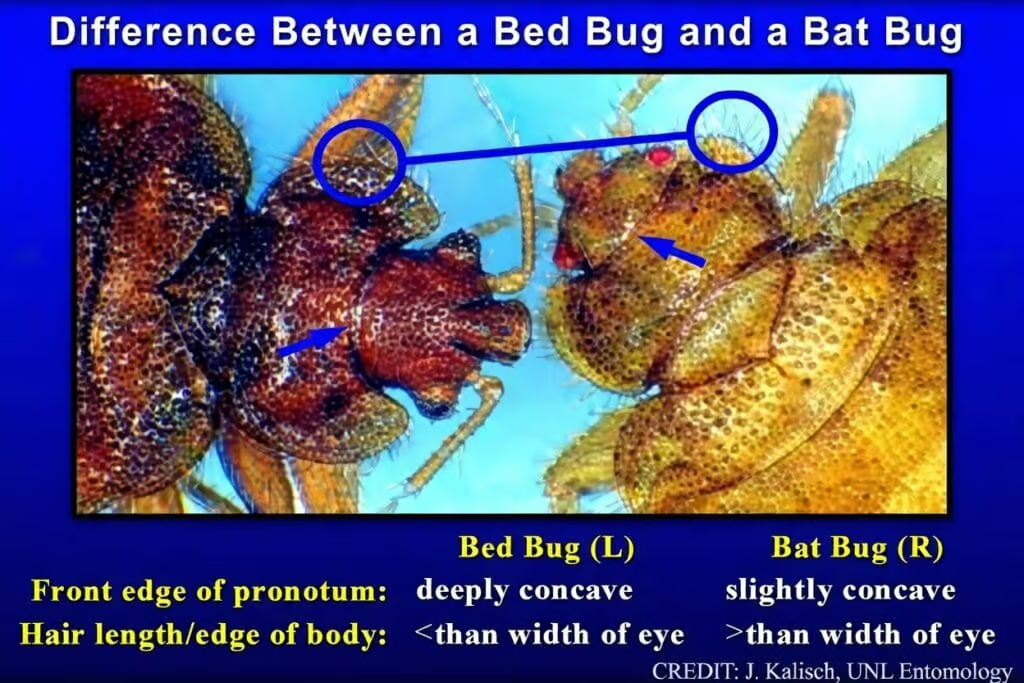
- Bat bugs are nearly identical to bed bugs but have longer, more prominent hairs along the edges of the thorax, a distinction that typically requires magnification to confirm
- Winged insects found near sleeping areas are not bed bugs since bed bugs do not fly or jump
For a more detailed look at bed bug biology and appearance, visit the bed bug species page in the Pest Library.
Behavior & Habits of Bed Bugs
Bed bugs are strictly nocturnal, emerging to feed every 5 to 10 days while spending the rest of their time hidden in cracks and harborage areas close to their host. They feed using piercing mouthparts, injecting a mild anesthetic so the host typically does not feel the bite during feeding. Colonies grow steadily in warm indoor environments and can relocate within a structure if disturbed, which is one reason DIY treatments often scatter an infestation rather than eliminating it. Bed bugs do not fly or jump but move quickly across surfaces and through wall voids in multi-unit buildings.
Risks & Threats from Bed Bugs
Bed bugs are not known to transmit disease, but an infestation carries real consequences:
- Bites and reactions: bites cause itchy welts in most people, and some individuals develop more significant allergic reactions. Secondary skin infections can result from scratching.
- Sleep disruption and stress: the psychological impact of a bed bug infestation is well documented, with anxiety and sleep loss commonly reported by affected residents.
- Spread in multi-unit housing: in apartments and vacation rentals, infestations move quickly between units through shared walls, plumbing chases, and common areas, making prompt treatment critical.
- Contaminated belongings: fecal spotting and shed skins contaminate mattresses, furniture, and clothing, sometimes requiring disposal of heavily infested items.
General Prevention Tips for Bed Bugs
- Inspect all second-hand furniture, mattresses, and upholstered items carefully before bringing them indoors
- Use protective encasements on mattresses and box springs to eliminate the primary harborage area and make monitoring easier
- When returning from travel, inspect luggage and wash all clothing on high heat immediately
- Reduce clutter around sleeping areas, particularly along baseboards and under beds
- In multi-unit housing, report any signs of activity immediately to prevent spread to neighboring units
- Consider a year-round protection plan if you manage rental or vacation properties where guest turnover creates recurring introduction risk
- For active infestations, professional treatment is strongly recommended over DIY approaches, which frequently scatter populations without eliminating them
Frequently Asked Questions
Almost always through travel or acquiring second-hand items. Bed bugs hitchhike on luggage, clothing, used furniture, and bedding. In multi-unit housing they also spread through shared walls and plumbing chases from neighboring units. They have nothing to do with cleanliness. Anyone can get bed bugs.
They are not known to transmit disease, but they cause real problems. Bites produce itchy welts and some people have more significant allergic reactions. The psychological toll of a bed bug infestation, including sleep disruption and anxiety, is well documented. Secondary skin infections from scratching are also a concern.
I use a combination of steam treatment and targeted insecticide application. Steam penetrates harborage areas and kills bugs and eggs on contact, while insecticide provides residual protection. I do not use heat treatment. This combined approach is thorough and effective when applied correctly with proper follow-up.
Most treatments require at least two visits spaced two to three weeks apart to catch any eggs that hatched after the first treatment. I follow up after each visit to confirm the infestation is fully resolved before closing the job.
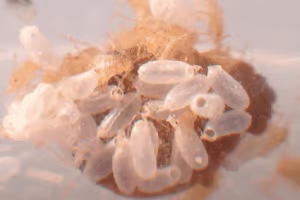
Bed bugs go through egg, nymph, and adult stages. Females can lay 200 to 500 eggs over a lifetime, depositing them in hidden cracks and seams near harborage areas. Nymphs go through five molts before reaching adulthood and must feed before each molt. In Maine’s indoor environments they are active year-round, though populations grow faster in warmer months.
DIY treatment is rarely effective and often makes the problem worse. Store-bought sprays and foggers scatter bed bugs into new harborage areas rather than eliminating them, spreading the infestation further through the structure. Bed bug treatment requires thorough inspection to locate all harborage sites, targeted steam and insecticide application, and follow-up visits to catch newly hatched eggs. By the time most people attempt DIY treatment and realize it is not working, the infestation has grown significantly harder to resolve.
Commonly Confused With
Bat bugs are the most common source of confusion with bed bugs in Southern Maine. The two species are nearly identical in appearance and require magnification to distinguish reliably. The key difference is host preference: bed bugs feed primarily on humans, while bat bugs prefer bats and only bite people when their bat hosts are no longer available. If bat bugs are present, the underlying bat roost needs to be addressed first, which requires a licensed wildlife operator. A comparison of the two species is available on the bat bug species page.
Professional Bed Bug Control in Southern Maine
I began my pest control career as a bed bug technician, so this is a pest I know from the ground up. My treatment approach combines steam treatment and targeted insecticide application, which is more effective than relying on either method alone. I inspect thoroughly, treat all harborage areas, and follow up to confirm the infestation is fully resolved. If you are seeing signs of bed bugs in your home, rental property, or business in Southern Maine, my bed bug control services cover identification, treatment, and follow-up. Contact me to schedule a free consultation.