

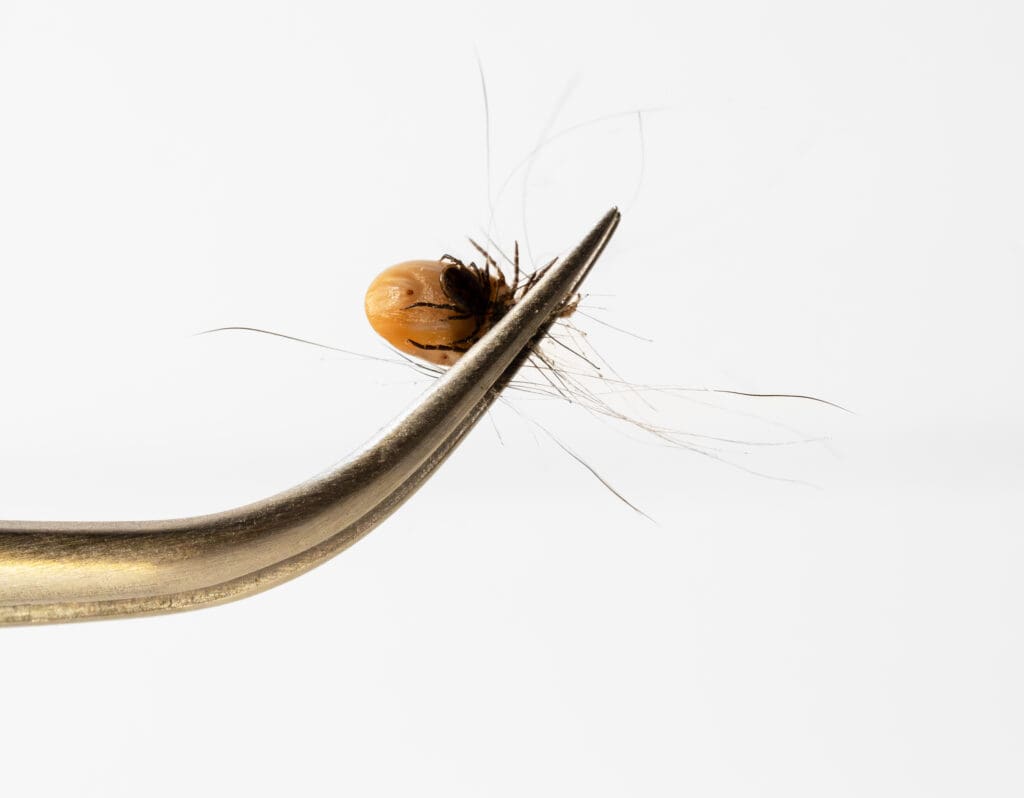
Ticks are one of the most significant public health concerns in southern Maine and the problem is getting worse, not better. Tick populations have expanded steadily across the state over the past several decades, and the range of diseases they carry has expanded along with them. As an Associate Certified Entomologist with more than 16 years of experience serving Cumberland and York Counties, I deal with tick pressure on residential and rural properties regularly. Here is what every Maine resident needs to know.
Tick Species in Maine
According to the University of Maine Cooperative Extension Tick Lab, there are fifteen tick species that have been found in Maine, though not all are permanent residents. Some arrive on wildlife hosts and never establish viable populations. The three most commonly encountered species are the ones southern Maine residents are most likely to come across.
The blacklegged tick, also called the deer tick (Ixodes scapularis), is the most medically significant tick in Maine. It is the primary vector for Lyme disease, anaplasmosis, babesiosis, hard tick relapsing fever, and Powassan encephalitis. Adults are small, roughly the size of a sesame seed when unfed. Nymphs are even smaller, about the size of a poppy seed, and are responsible for a disproportionate share of disease transmission because they are so easy to miss during a tick check.
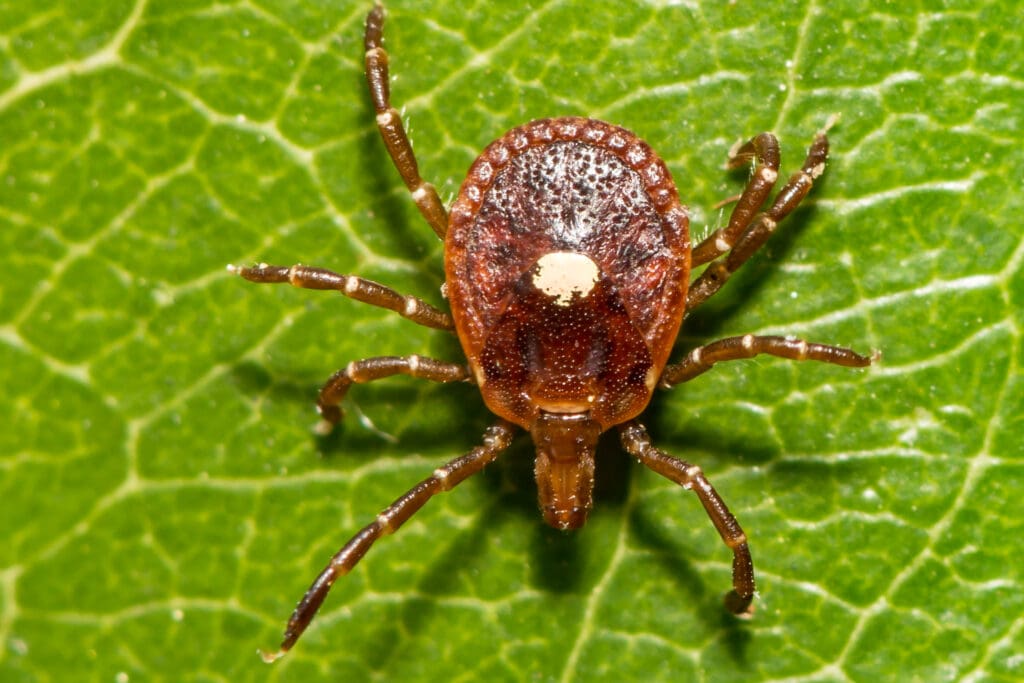
The American dog tick (Dermacentor variabilis) is considerably larger than the blacklegged tick and more commonly found in open grassy areas, roadsides, and along trails. It is the primary vector for Rocky Mountain spotted fever and tularemia in the Northeast. While it does not transmit Lyme disease, it should not be dismissed as lower risk.
The woodchuck tick (Ixodes cookei) is the third most commonly encountered species in Maine. It primarily parasitizes groundhogs, skunks, and other burrowing mammals but will bite people. It is a known vector for Powassan virus, specifically the Powassan virus strain as opposed to the deer tick virus strain carried by blacklegged ticks. People are most likely to encounter woodchuck ticks in areas with active groundhog or skunk populations.
Other tick species found in Maine include the brown dog tick (Rhipicephalus sanguineus), the lone star tick (Amblyomma americanum), the squirrel tick (Ixodes marxi), the mouse tick (Ixodes muris), the winter tick or moose tick (Dermacentor albipictus), the rabbit tick (Haemaphysalis leporispalustris), and several others that primarily parasitize wildlife and seabirds. Most of these rarely come into contact with people, but two warrant a specific mention.
The lone star tick, while not commonly found in Maine, has been documented here and its range is expanding. It is associated with alpha-gal syndrome, an acquired allergy to red meat that can develop after a bite from this species. Reactions can be delayed by three to six hours after eating red meat, which makes the connection to a tick bite easy to miss.
The Asian longhorned tick (Haemaphysalis longicornis) was confirmed in Maine for the first time in August 2025, with a nymph collected in Cumberland County. This invasive species reproduces rapidly and its full public health significance in Maine is still being evaluated.
Tick-Borne Diseases in Maine
The UMaine Cooperative Extension Tick Lab identifies five tick-borne diseases known to occur in Maine, all of which can be transmitted by the blacklegged tick.
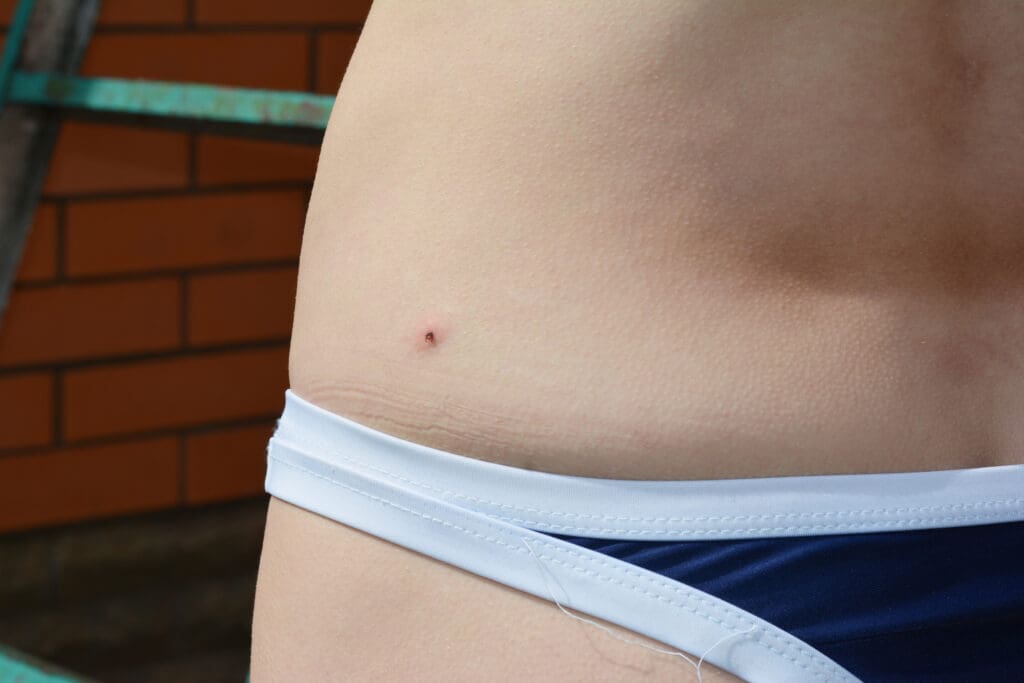
Lyme disease is caused by the bacterium Borrelia burgdorferi and is the most commonly reported vector-borne illness in the United States. Maine consistently ranks among the highest states in the country for Lyme disease incidence, with cases increasing steadily since the first documented Maine case in 1986. Common signs include headache, fever, chills, joint and muscle pain, and fatigue. The characteristic expanding bull’s-eye rash known as erythema migrans is widely associated with Lyme disease but appears in fewer than half of reported Maine cases, so its absence does not rule out infection. Left untreated, Lyme disease can progress to affect the joints, heart, and nervous system. An estimated 10 to 20 percent of patients experience persistent symptoms even after treatment, a condition classified as post-treatment Lyme disease syndrome.
Anaplasmosis is caused by Anaplasma phagocytophilum and cases in Maine have been increasing sharply, nearly doubling annually from 2012 through 2017. Symptoms include fever, chills, severe headache, body aches, fatigue, and gastrointestinal symptoms. Most cases are treatable but severe cases involving encephalitis and meningitis do occur.
Babesiosis is a parasitic infection of red blood cells caused by Babesia microti. Incidence in Maine has been increasing slowly. Some people show no symptoms while others experience fever, chills, sweating, fatigue, and anemia. Severe cases can be life-threatening, particularly in elderly patients, immunocompromised individuals, and people who have had their spleen removed.
Hard tick relapsing fever, formerly called Borrelia miyamotoi disease, is caused by a spirochetal bacteria closely related to tick-borne relapsing fever. Cases in Maine have been reported since 2016 but remain in the single digits annually. One notable feature of this pathogen is that it can be passed from a female tick to her offspring through the eggs, making larval ticks a potential part of the transmission cycle. Symptoms include fever, chills, fatigue, severe headache, and muscle and joint pain.
Powassan encephalitis is rare but serious. It is caused by two strains of the same flavivirus, one carried by the woodchuck tick and one by the blacklegged tick. Transmission can occur in as little as 15 minutes after a tick attaches, which is significantly faster than Lyme disease. Symptoms include fever, headache, vomiting, weakness, confusion, loss of coordination, slurred speech, and seizures. Cases in Maine were first reported in 2000 and annual numbers have remained in the single digits, but the Maine CDC has recorded 14 confirmed cases and 3 deaths since 2013. There is no specific treatment.
Alpha-gal syndrome deserves mention even though the lone star tick that causes it is not commonly established in Maine. Cases have been reported in Maine residents. The condition causes a delayed allergic reaction to red meat that can take three to six hours to appear, which makes it difficult to connect to a tick bite without knowing what to look for.
When Are Ticks Active in Maine
This is one of the most misunderstood points about ticks in Maine. Blacklegged ticks are not just a warm-weather problem.
Adult blacklegged ticks are active in spring and again in fall, including on warm days in late fall and early winter. They will quest for hosts any time temperatures are above freezing, which means tick encounters in November and December are not unusual in southern Maine.
Nymphs are active from late spring through midsummer and represent the highest-risk period for Lyme disease transmission due to their small size and the difficulty of detecting them during a tick check.
Larvae are active in late summer and early fall. While larvae are not typically infected at hatching, they can acquire pathogens by feeding on infected reservoir hosts like mice and other small mammals.
The practical takeaway is that tick awareness in Maine is not just a summer concern. Checking for ticks after any outdoor activity from early spring through late fall is sound practice.
How to Remove a Tick Correctly
Prompt removal matters. The risk of Lyme disease transmission increases with the length of time a tick is attached. Most transmission requires a tick to be attached for 36 to 48 hours, though Powassan virus can be transmitted much faster.
Use fine-tipped tweezers or a dedicated tick removal tool. Grasp the tick as close to the skin surface as possible and pull upward with steady, even pressure. Do not twist or jerk the tick, as this can cause the mouthparts to break off and remain in the skin. Do not squeeze, crush, or puncture the tick body. Do not apply petroleum jelly, nail polish, heat, or any other substance to try to make the tick detach. These methods are ineffective and can increase transmission risk.
After removal, clean the bite area and your hands thoroughly with rubbing alcohol or soap and water.
Save the tick. Place it in a sealed plastic bag or a small container with a tight-fitting lid. Note the date you found it and where on your body it was attached. This information is useful if you decide to submit it for testing or if you develop symptoms and need to consult a physician.
Do not wait for tick testing results before seeing a doctor if you develop symptoms. Medical evaluation should not be delayed.
How to Submit a Tick for Testing in Maine
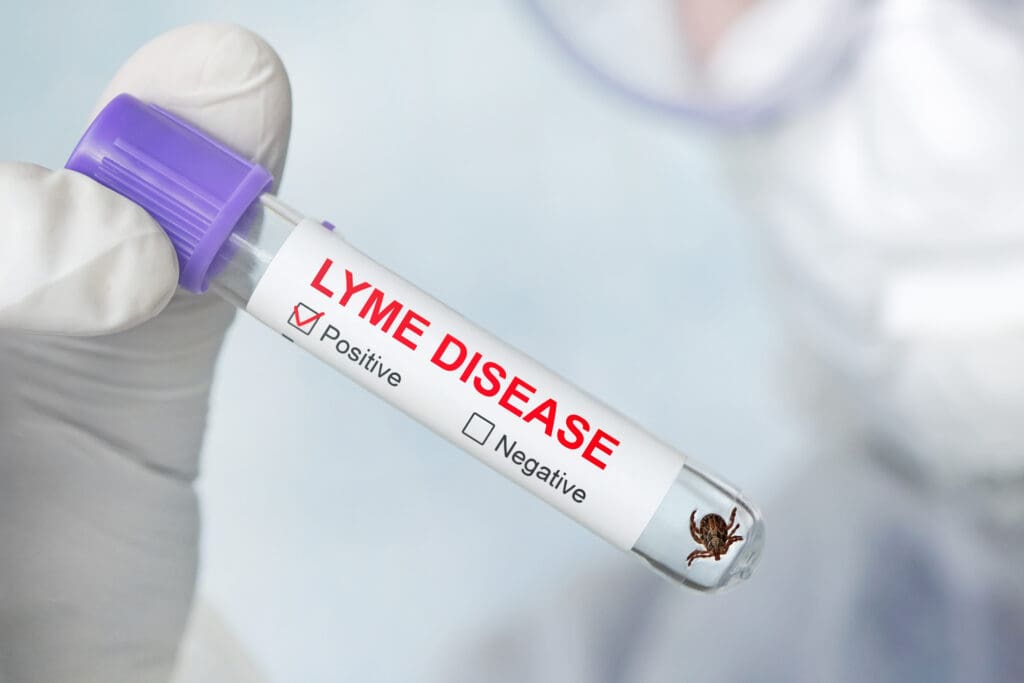
The University of Maine Cooperative Extension Tick Lab offers tick identification and disease testing for Maine residents and it is one of the most useful public health resources available in the state.
Identification only is free and will tell you what species of tick you found. Identification plus disease testing is $20 and screens for the pathogens responsible for Lyme disease, anaplasmosis, babesiosis, Rocky Mountain spotted fever, ehrlichiosis, tularemia, Powassan virus, and Heartland virus. Submissions are made online at ticktesting.umaine.edu. The service is available to Maine residents only and the lab is open Monday through Friday, 8am to 4:30pm.
Two important points about interpreting results. A positive test does not mean the tick transmitted the pathogen to the person it fed on. A negative result does not guarantee the person is not at risk. The testing program is designed to provide public health surveillance data and the lab is explicit that medical consultation should not wait for test results.
Reducing Tick Exposure on Your Property
Personal protection including repellents, clothing choices, and regular tick checks after outdoor activity are the first line of defense and are covered thoroughly on the UMaine Tick Lab prevention page. At the property level, additional steps reduce the habitat and host activity that brings ticks onto residential properties.
Keeping grass mowed short, removing leaf litter from yard edges, and creating a buffer of wood chips or gravel between lawn and wooded areas all reduce the humid, shaded conditions ticks prefer. Deer and rodents are the primary hosts that bring ticks onto residential properties, so managing wildlife pressure around structures is directly relevant to tick exposure risk.
Professional mosquito and tick treatment can significantly reduce tick populations in the areas of your property where people spend the most time, particularly along wooded edges, garden borders, and ornamental plantings where tick activity concentrates. Properties in Scarborough, Standish, Windham, Hollis, Limington, and the surrounding rural communities throughout Cumberland and York Counties tend to see the highest tick pressure given the mix of wooded terrain, wildlife corridors, and residential development.
Serving Southern Maine Homeowners and Property Managers
Precision Pest Control provides mosquito and tick control for homeowners and property managers throughout southern Maine. Every service is handled personally by an Associate Certified Entomologist with 16-plus years of experience. If you want to reduce tick exposure on your property, visit the contact page to schedule a service. The sooner tick habitat and populations are addressed around your home, the lower the risk to your family and pets throughout the season.