

Oriental Cockroaches in Southern Maine:
Identification, Prevention, and Control
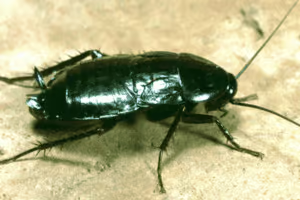
Oriental cockroaches are among the more cold-tolerant cockroach species I encounter in Southern Maine, which makes them a particular concern in our climate. They thrive in the damp basements, crawl spaces, and utility areas common in older homes throughout Cumberland and York Counties, and they can remain active even as temperatures drop in fall. As an Associate Certified Entomologist (A.C.E.) with 16 years of experience in the region, I always confirm the species before treatment because Oriental cockroaches require a moisture-focused approach that differs significantly from how I handle German cockroaches. Browse the cockroach pest library to compare other species common in Maine, or contact me for a professional assessment.
What Are Oriental Cockroaches?
Oriental cockroaches (Blatta orientalis) are medium to large, very dark brown to nearly black insects that reach about one inch in length. They have a distinctly glossy, greasy appearance that sets them apart from other species. Females have only short non-functional wing pads while males have longer wings that cover roughly three-quarters of the abdomen, but neither sex flies. They are slower-moving than most other cockroach species and tend to stay low, preferring cool damp floors and drains over upper cabinets or wall voids.
They feed on decaying organic matter and are strongly associated with moisture. In Southern Maine they most commonly enter structures through floor drains, sewer lines, gaps around pipes, and exterior foundation cracks. Browse the cockroach pest library to see other species found in the area.
According to the University of Maine Cooperative Extension, Oriental cockroaches are less commonly encountered in Maine than German cockroaches but are a consistent presence in older structures with moisture and drainage issues.
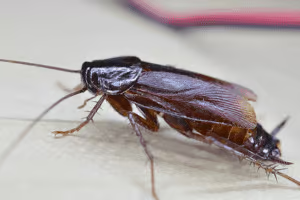
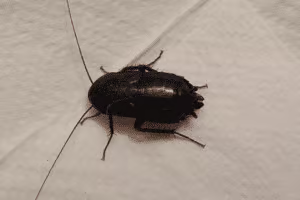
Signs of an Oriental Cockroach Infestation
Oriental cockroaches tend to stay in low, damp areas so signs are often found in basements, crawl spaces, and utility rooms rather than kitchens. Look for:
- Large dark droppings resembling coffee grounds or rice grains near drains, pipes, or damp basement walls
- Dark brown oval egg cases (oothecae) tucked in cracks, under debris, or along wall junctions in moist areas
- A strong, distinctly musty odor in basements or utility rooms, more pronounced than other cockroach species
- Sightings of large shiny black or dark brown roaches near floor drains or sump pits after dark
- Grease smear marks along baseboards and walls in damp areas
In Southern Maine locations such as Scarborough or Windham these signs frequently appear first in damp basements or near foundation drains in older homes, particularly in fall as outdoor temperatures drop and they move inside seeking warmth.
Risks in Southern Maine
Oriental cockroaches can carry bacteria including Salmonella and E. coli on their bodies and legs, contaminating surfaces and food storage areas they come into contact with. Their droppings and shed skins are documented allergen sources that can trigger asthma and respiratory irritation, particularly in children and sensitive individuals. Their presence nearly always signals an underlying moisture problem or entry point issue, which means treatment without addressing those root causes rarely produces lasting results.
One aspect of Oriental cockroaches worth noting in our region is their tolerance for cooler temperatures compared to other species. In Southern Maine homes where basements and crawl spaces stay cold well into spring, they can remain active and continue reproducing when other cockroach species would slow down.
Prevention Tips
Keeping Oriental cockroaches out is primarily a moisture and exclusion problem:
- Fix leaks and improve drainage in basements, crawl spaces, and around foundations
- Use a dehumidifier to keep basements below 50 percent humidity year-round
- Seal cracks around pipes, floor drains, foundation walls, and utility penetrations
- Install drain covers or backflow preventers on floor drains that see infrequent use
- Remove leaf litter, mulch, and wood piles from direct contact with the foundation
- Keep garbage in tight-lidded containers and avoid leaving organic debris near the house
A year-round protection plan is worth considering for older homes in wooded or low-lying areas of Cumberland and York Counties where moisture management is an ongoing challenge.
Commonly Confused With
Oriental cockroaches are most often confused with American cockroaches, which share a preference for damp basements and drains but are noticeably larger (up to two inches), reddish-brown rather than dark brown to black, and have a distinctive yellow marking around the head shield. German cockroaches are far smaller, light brown with two dark stripes, and stay near kitchens and food sources rather than cool damp areas. Wood roaches are similar in size and color but are outdoor insects that wander in accidentally and will not establish a colony indoors. The shiny nearly black appearance and slow movement of Oriental cockroaches make them fairly distinctive once you know what to look for.
Professional Oriental Cockroach Control in Southern Maine
Oriental cockroach treatment centers on moisture remediation and entry point exclusion alongside targeted product placement. Because they are closely tied to damp conditions and outdoor harborage, a strategy that only addresses visible cockroaches without fixing the underlying moisture or access issues will not hold. I inspect basements, crawl spaces, drains, and the exterior perimeter to identify exactly where they are coming from before applying gel baits and residual products in precise harborage areas. I handle every job personally from initial inspection through follow-up visits. My cockroach control services cover the full range of species found in Cumberland and York Counties. Contact me to schedule a free consultation.
Frequently Asked Questions
Yes, water bug is a common regional nickname for Oriental cockroaches, particularly in older New England homes. The name comes from their strong association with damp areas, drains, and basement moisture. They are not true aquatic insects but are rarely found far from a water source.
Oriental cockroaches are more cold-tolerant than other species and tend to move indoors as outdoor temperatures drop in late summer and fall. Basements and crawl spaces in Southern Maine homes provide the cool, damp conditions they prefer, and they typically enter through floor drains, sump pits, or gaps around foundation pipes. Fall activity is common in older homes throughout Cumberland and York Counties.
They can, particularly in homes with older plumbing or infrequently used floor drains. Sealing or covering those drains is often part of the solution. If sewer access is the entry point, addressing it directly is more effective than repeated chemical treatment alone.
Ready to Get Started?
If you are finding dark, slow-moving cockroaches in your basement or near your drains, reach out for a free consultation.