

Wood Cockroaches in Southern Maine:
Identification, Prevention, and Control
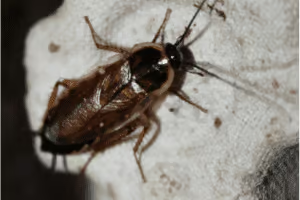
Wood cockroaches are one of the most misunderstood pests I encounter in Southern Maine. Homeowners who find a large light brown cockroach in their home often assume the worst, but wood roaches are fundamentally different from the indoor cockroach species that require professional treatment. They cannot establish a colony indoors, they do not infest kitchens or breed in wall voids, and they will die off on their own within days. That said, finding them repeatedly during spring and summer is worth addressing through exclusion. Southern Maine’s wooded landscape throughout Cumberland and York Counties makes wood roach encounters very common, particularly in towns like Windham and Standish where forested lots and outdoor lighting create ideal entry conditions. Browse the cockroach pest library to compare other species common in Maine, or contact me if you are unsure what species you are dealing with.
What Are Wood Cockroaches?
Wood cockroaches (Parcoblatta pennsylvanica), commonly called Pennsylvania wood cockroaches or Maine wood roaches, are medium-sized outdoor insects that live in wooded areas throughout Southern Maine. Adults reach about three-quarters to one inch in length and are light brown to tan with a pale cream-colored stripe along the outer edge of the wings. Males have fully developed wings and are capable fliers, while females have very short non-functional wing pads and cannot fly. This matters practically because it is almost always males that end up indoors, drawn in by porch lights and illuminated windows during the spring and early summer mating season.
They are native to Maine, living outdoors under loose bark, in rotting logs, leaf litter, and firewood piles. They feed on decaying organic matter and play a normal ecological role in wooded areas. Indoors they are completely out of their element. They cannot find the humidity or food sources they need to survive and will not reproduce. Browse the cockroach pest library to see other species found in the area.
According to the University of Maine Cooperative Extension, wood cockroaches are common throughout Maine and are among the most frequently encountered cockroach species in wooded residential areas, particularly during May through July.
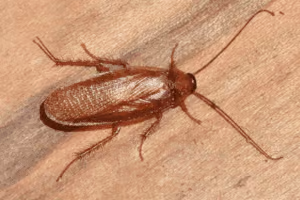
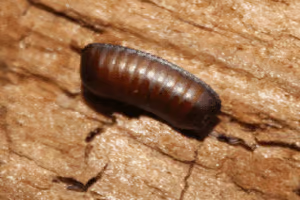
Signs of Wood Roach Activity
Because wood roaches enter accidentally rather than establishing indoors, what you see is typically isolated sightings rather than the signs of a breeding population. Look for:
- Large light brown or tan cockroaches appearing near doors, windows, or light sources, particularly at night
- Winged males flying toward porch lights or illuminated windows in late spring and early summer
- Cockroaches found on floors or emerging from a load of firewood brought inside
- Occasional sightings in garages, mudrooms, or basements during warmer months
- No droppings, egg cases, or musty odor. Their absence is actually a useful indicator that you are not dealing with an indoor species.
In wooded Southern Maine towns such as Windham, Standish, or Limerick these sightings typically peak in May through July and taper off as the mating season ends.
Risks in Southern Maine
Wood cockroaches do not bite, sting, spread disease, or cause structural damage. They do not contaminate food preparation areas or trigger the same allergen concerns associated with indoor cockroach species because they are not living and reproducing inside the structure. The main impact is the nuisance of occasional unwanted sightings, which can be startling if you are not expecting them.
The more meaningful risk is misidentification. A homeowner who mistakes a wood roach for a German cockroach and applies store-bought spray treatments is wasting time and money on a problem that would resolve on its own, while potentially masking a real indoor infestation if one develops later. This is one area where accurate identification genuinely matters before any response is considered.
Prevention Tips
Because wood roaches enter from outside rather than establishing indoors, prevention focuses entirely on exclusion and reducing what draws them to the structure:
- Store firewood at least 20 feet from the house and bring only what you need inside at a time
- Switch porch and exterior lights to yellow bug lights during May through July, or use motion-activated lighting to reduce the time lights stay on
- Seal cracks around doors, windows, utility penetrations, and foundation walls
- Keep leaf litter, mulch, and wood piles away from direct contact with the foundation
- Install or repair door sweeps and window screens, paying particular attention to garage doors and basement windows in wooded areas
These steps are especially relevant in the heavily wooded towns of York and Cumberland Counties where large wooded lots and abundant outdoor lighting create consistent pressure during the spring and summer season.
Commonly Confused With
Wood cockroaches are most often confused with American cockroaches, which are similar in size and overall coloring but are reddish-brown rather than tan, have a distinctive yellow marking around the head shield, and are associated with damp basement environments rather than light sources. German cockroaches are smaller, darker brown with two distinct stripes, and found concentrated near kitchen moisture sources rather than wandering near doors and windows. Oriental cockroaches are darker and slower-moving with a preference for cool damp areas. The key distinguishing feature of a wood roach is context: a large tan cockroach found near a light source or brought in on firewood in a wooded area during late spring or summer is almost certainly a wood roach.
Professional Wood Cockroach Control in Southern Maine
Wood cockroaches do not require chemical treatment. Because they cannot establish or reproduce indoors, any individuals that enter will die off on their own within a few days without intervention. The appropriate response is exclusion work: sealing entry points, addressing firewood storage, and managing outdoor lighting. If you are seeing them repeatedly and want help identifying entry points and making your home less accessible, I am happy to take a look. And if there is any uncertainty about whether you are actually dealing with wood roaches or a true indoor species, I can confirm the identification during a free visit. My cockroach control services cover the full range of species found in Cumberland and York Counties. Contact me any time.
Frequently Asked Questions
No. Wood cockroaches cannot establish a colony or reproduce indoors. They lack the food sources, humidity, and harborage conditions they need to survive inside a structure. Any wood roach that enters will die within days on its own. The concern is not infestation but repeated entry from outdoor populations, which exclusion work addresses effectively.
No. Chemical treatment is unnecessary and ineffective for wood roaches. Because they are not breeding indoors, spraying does not address the source of the problem and will not prevent more from entering. Sealing entry points, managing firewood storage, and adjusting outdoor lighting are far more effective solutions.
Size, color, and location are the fastest clues. A large tan cockroach found near a door or light source in a wooded area during spring or summer is almost certainly a wood roach. A small light brown cockroach with two dark stripes found in your kitchen is almost certainly a German cockroach. If you are unsure, I can confirm the species during a free visit before any treatment decisions are made.
Ready to Get Started?
If you are finding cockroaches and are not sure what species you are dealing with, reach out for a free identification and consultation.