

German Cockroaches in Southern Maine:
Identification, Prevention, and Control
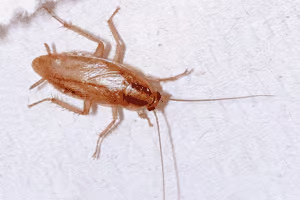
German cockroaches are among the most persistent indoor pests I treat across Southern Maine. These small roaches thrive in kitchens, bathrooms, and food-preparation areas of homes, apartments, and commercial buildings throughout Cumberland and York Counties. As an Associate Certified Entomologist (A.C.E.) with 16 years of hands-on experience in the region, I always start with accurate species identification because German cockroaches demand a targeted baiting and colony-elimination strategy rather than simple sprays. Browse the cockroach pest library to compare other species common in Maine, or contact me for a professional assessment of your situation.
What Are German Cockroaches?
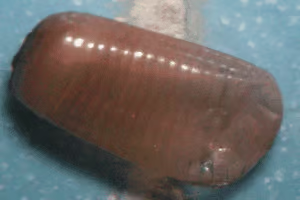
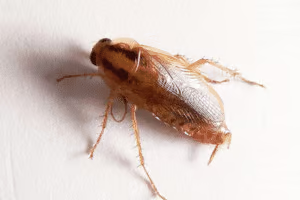
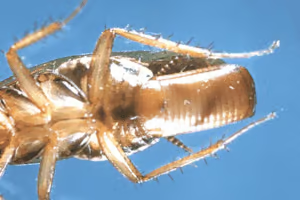
German cockroaches (Blattella germanica) are small, light brown to tan insects that reach about one-half inch in length as adults. A defining feature is the two dark parallel stripes running down the pronotum behind the head. Unlike wood roaches that wander in from outdoors, German cockroaches are true indoor dwellers that require constant access to food, water, and warmth. Females carry their egg cases (oothecae) until the nymphs are nearly ready to hatch, protecting up to 40 offspring per case and allowing rapid population growth. A single female can produce hundreds of offspring in a short time under the warm kitchen conditions common in older Southern Maine homes and multi-unit buildings.
According to the University of Maine Cooperative Extension, German cockroaches have the shortest life cycle of any house-infesting roach in our climate, with a full generation possible in as little as three to six weeks when temperatures stay warm and moisture is available.
Signs of a German Cockroach Infestation
The first signs often appear in kitchens or bathrooms where food and moisture are readily available. Look for:
- Small black droppings that resemble coffee grounds or black pepper scattered near baseboards, in drawers, or under appliances
- Brown oval egg cases or tiny shed skins in cracks and crevices
- A distinctive musty, oily odor in heavier infestations
- Daytime sightings, which are particularly concerning since German cockroaches are primarily nocturnal
- Grease marks or fecal smears along walls near plumbing or appliances
In multi-unit buildings around Portland or Westbrook, infestations frequently spread between units through shared walls and plumbing chases.
Risks in Southern Maine
German cockroaches pose significant health concerns beyond being a nuisance. They contaminate food surfaces, utensils, and stored goods with bacteria including Salmonella and E. coli through their droppings and body parts. Their cast skins and feces are well-documented triggers for asthma and allergic reactions, especially in children and people with respiratory sensitivities. In the multi-unit buildings and commercial kitchens found throughout Southern Maine, including areas like Biddeford and Portland, they spread rapidly, making prompt professional intervention important for property managers and homeowners alike.
Prevention Tips
Effective prevention starts with sanitation and moisture control:
- Wipe down all kitchen surfaces daily, store food in airtight containers, and avoid leaving pet food or dishes out overnight
- Fix leaking faucets or pipes since German cockroaches depend heavily on moisture
- Seal cracks around cabinets, baseboards, and utility penetrations
- Inspect groceries and cardboard boxes before bringing them indoors
- In multi-unit housing, coordinate with neighbors and property management on any sightings since populations move through shared walls and plumbing
- Reduce clutter in storage areas to eliminate harborage
A year-round protection plan can provide ongoing monitoring and early intervention for properties with recurring issues.
Commonly Confused With
German cockroaches are most often mistaken for brown-banded cockroaches, which are similar in size but have two light bands across their wings and are more likely to be found in upper cabinets, bedrooms, and electronics rather than near food and water. American cockroaches are much larger and reddish-brown with a yellow marking around the head shield, and typically stay near drains and basements. Oriental cockroaches are darker, slower-moving, and associated with cool damp areas rather than kitchens. Wood roaches are larger outdoor insects that wander in accidentally and cannot establish or reproduce indoors. Accurate identification is the first step toward effective treatment.
Professional German Cockroach Control in Southern Maine
German cockroach infestations require a different approach than other roach species. I use an integrated pest management strategy combining targeted gel baits, insect growth regulators, and precise crack-and-crevice applications alongside thorough inspection and client education on sanitation. Because these roaches hide deep in harborage areas and can develop resistance to many spray products, targeting the entire colony rather than just visible individuals is essential for lasting results. I handle every job personally from initial inspection through follow-up visits. My cockroach control services cover the full range of species found in Cumberland and York Counties. Contact me to schedule a free consultation.
Frequently Asked Questions
Extremely fast. A single female can produce enough offspring to turn a small problem into a very large one within months under ideal conditions. This rapid reproduction is why early professional intervention is far more effective than waiting. In Southern Maine homes where kitchens stay warm year-round, populations can grow quickly if sanitation issues or entry points go unaddressed.
Store-bought sprays often make the problem worse by scattering the colony without eliminating it. I use gel baits and insect growth regulators that cockroaches carry back to hidden harborage areas, reaching individuals that sprays never contact. DIY products rarely penetrate the deep cracks and voids where German cockroaches breed, which is why a targeted IPM approach consistently delivers better long-term results.
Rarely, and only in very heavy infestations where food sources are scarce. The real concerns are the bacteria they spread across food preparation surfaces and the allergens their droppings and shed skins produce, particularly in homes with children or anyone with respiratory sensitivities.
Ready to Get Started?
If German cockroaches have taken over your kitchen, reach out for a free consultation.