

Brown-banded Cockroaches in Southern Maine:
Identification, Prevention, and Control
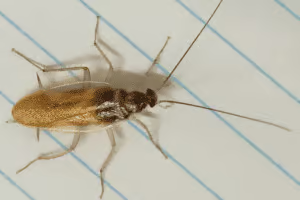
Brown-banded cockroaches are one of the more overlooked indoor cockroach species in Southern Maine, partly because they do not behave like most people expect cockroaches to behave. Rather than clustering near sinks and kitchen drains, they spread throughout the entire structure, hiding in upper cabinets, behind picture frames, inside electronics, and along ceiling lines. They are less common than German cockroaches in this region but I do encounter them across Cumberland and York Counties, particularly in situations involving infested furniture or appliances brought in from elsewhere. As an Associate Certified Entomologist (A.C.E.) with 16 years of experience in the region, getting the identification right matters here because their spread-out distribution means treatment needs to cover the whole structure, not just the kitchen. Browse the cockroach pest library to compare other species common in Maine, or contact me for a professional assessment.
What Are Brown-banded Cockroaches?
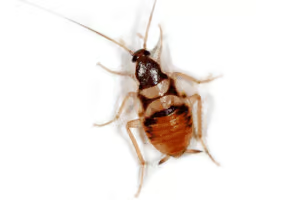
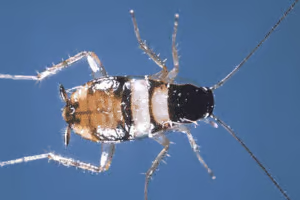
Brown-banded cockroaches (Supella longipalpa) are small, light brown insects about one-half inch long, similar in size to German cockroaches. Their defining feature is two distinct lighter bands running across the wings and abdomen, most visible when the wings are folded. Males have fully developed wings and can glide short distances, while females have shorter wings and cannot fly. Nymphs are more easily spotted than adults since the banding is especially prominent against their smaller bodies.
Unlike every other indoor cockroach species in Southern Maine, brown-banded cockroaches actively avoid moisture and prefer warm, dry areas well above floor level. They are frequently found near heat sources such as refrigerator motors, televisions, and other electronics, as well as in upper cabinets, inside furniture, and along ceiling molding. Browse the cockroach pest library to see other species found in the area.
According to the University of Maine Cooperative Extension, brown-banded cockroaches are less commonly encountered in Maine than German cockroaches but are a recognized indoor species capable of establishing infestations in heated structures year-round.
Signs of a Brown-Banded Cockroach Infestation
Because brown-banded cockroaches spread throughout the entire structure rather than concentrating near food and water, signs can appear in rooms where you would not normally expect cockroaches. Look for:
- Small dark droppings resembling pepper grains in upper cabinets, on shelves, behind picture frames, or near electronics
- Tiny oval egg cases (oothecae) glued to ceilings, undersides of furniture and drawers, or behind wall hangings
- Small light brown roaches with visible banding, particularly near ceiling lights or upper cabinet interiors after dark
- A mild musty or oily odor in closets, pantries, or near electronics
- Shed skins in less-trafficked areas of the home including bedrooms and living rooms
In Southern Maine locations such as Saco or Scarborough these signs often appear first in bedrooms or living rooms after infested furniture, boxes, or secondhand appliances are brought indoors.
Risks in Southern Maine
Brown-banded cockroaches can carry bacteria on their bodies and contaminate food preparation surfaces and stored goods. Their droppings and shed skins are documented allergen sources that can trigger asthma and allergic reactions, particularly in children and people with respiratory sensitivities. Because they spread across the entire structure rather than staying in one area, allergen exposure can occur throughout the home rather than being concentrated in the kitchen.
Their distribution pattern also creates a practical treatment challenge. Homeowners who spot them in an unexpected location like a bedroom or living room and apply a kitchen-focused spray treatment will typically see little improvement because the harborage areas are elsewhere entirely.
Prevention Tips
Because brown-banded cockroaches arrive almost exclusively on infested items rather than entering from outdoors, prevention focuses on what comes into the home:
- Inspect all secondhand furniture, appliances, and electronics carefully before bringing them indoors, checking undersides, hinges, and interior cavities
- Examine cardboard boxes, especially those that have been stored in a warm area, before unpacking inside
- Reduce clutter throughout the home, not just in the kitchen, to eliminate harborage
- Store food in airtight containers and clean up crumbs promptly
- Seal cracks around cabinets, baseboards, and wall penetrations throughout the structure
- Vacuum regularly including along ceiling lines, behind furniture, and under appliances
A year-round protection plan is worth considering for multi-unit buildings where infestations can move between units through shared walls and utility chases.
Commonly Confused With
Brown-banded cockroaches are most commonly confused with German cockroaches, which are similar in size but uniformly light brown with two dark lengthwise stripes on the pronotum rather than bands across the wings, and stay tightly concentrated near kitchen moisture sources. The key visual distinction is the direction of the markings: German cockroaches have stripes running front to back, brown-banded cockroaches have bands running side to side across the body. American cockroaches and Oriental cockroaches are both significantly larger and associated with damp basement environments, making them easy to rule out. Wood roaches are outdoor insects that wander in accidentally and cannot establish indoors.
Professional Brown-Banded Cockroach Control in Southern Maine
Brown-banded cockroach treatment requires inspecting and treating the entire structure rather than focusing on the kitchen alone. Because they hide in electronics, furniture, wall voids, and upper areas throughout the home, gel bait placement and crack-and-crevice applications need to cover every room where activity is present. I inspect the full structure systematically before applying any product, and I use targeted baits and insect growth regulators rather than broad sprays that would scatter the population without eliminating it. I handle every job personally from initial inspection through follow-up visits. My cockroach control services cover the full range of species found in Cumberland and York Counties. Contact me to schedule a free consultation.
Treatments stay customized for each property. A single-family home in Scarborough gets different focus than a multi-unit building in Saco. As a solo operator with over 15 years of experience and certifications, learn more about my background on the About page. I guarantee results with follow-up visits included.
Contact me today for a free inspection and let me handle your brown-banded cockroach issue the right way. Schedule easily on the Contact page. For details on treatment options for cockroach infestations, visit my common pests control services page.
Frequently Asked Questions
Brown-banded cockroaches are the most likely explanation. They are the only common indoor cockroach species in Southern Maine that regularly establishes in bedrooms, living rooms, and other dry areas away from kitchen moisture. They often arrive on secondhand furniture or electronics and spread through the structure from there. A German cockroach found in a bedroom is unusual. A small light brown cockroach with banding found in a bedroom is a much stronger indicator of brown-banded cockroaches.
Yes, and this is one of their more distinctive habits. They are attracted to the warmth generated by televisions, computers, and other electronics and will nest inside them. Beyond the obvious sanitation concern, cockroach droppings and shed skins inside electronics can cause damage over time. This is also one reason why broad spray treatments are not appropriate for this species since sprays inside electronics can cause far more damage than the roaches themselves.
They present a different challenge. German cockroaches concentrate in a small area and breed very rapidly. Brown-banded cockroaches are more dispersed throughout the structure and slower to reproduce, but their distribution means treatment coverage needs to be more thorough. Missing even one harborage area can allow the population to persist and re-expand. A whole-structure inspection before treatment is essential.
Ready to Get Started?
If you are finding small cockroaches in unexpected places like bedrooms or near electronics, reach out for a free consultation.