

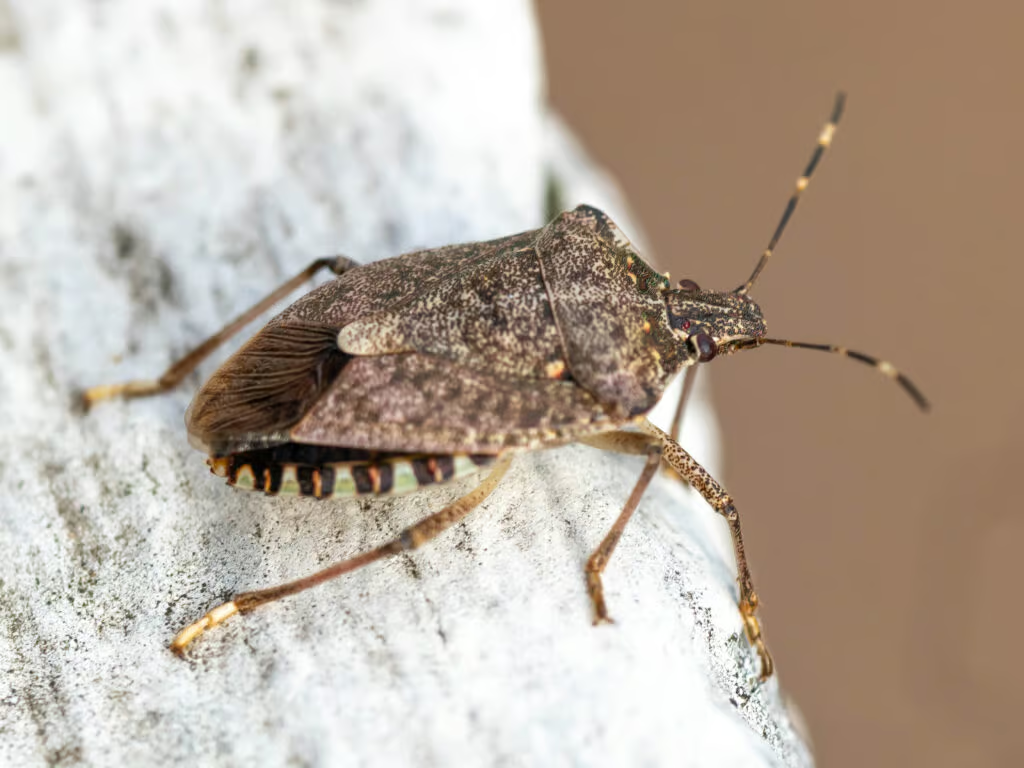
Every September and October, southern Maine homeowners start noticing the same thing: dark, oval bugs sunning themselves on the south and west sides of the house, clustering around window frames, or suddenly appearing inside on a warm afternoon. These are overwintering pests, and understanding why they show up (and what actually works against them) makes the difference between a manageable nuisance and months of frustration.
Browse the pest library for identification help on other species you might be dealing with this season.
The pests behind it
In southern Maine, four species account for most fall home invasions:
- Brown marmorated stink bugs: shield-shaped, mottled brown, roughly the size of a fingernail
- Boxelder bugs: black with reddish-orange markings along the edges of their wings
- Cluster flies: slightly larger and slower-moving than a house fly, with a distinctive sluggish buzz
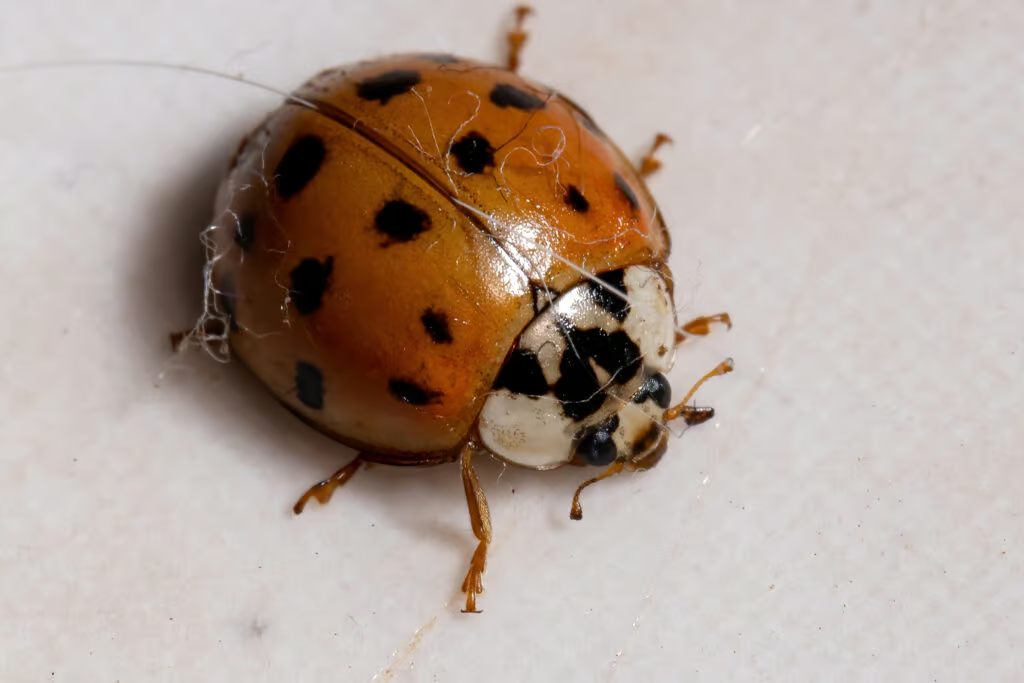
- Asian lady beetles: similar to native ladybugs but often more orange, with a black M-shaped marking behind the head
None of these pests are dangerous. Stink bugs, boxelder bugs, and cluster flies do not bite or sting at all. Asian lady beetles are the one exception: they can deliver a small nip if handled or if they land on skin, unlike native ladybugs which almost never do this. None of the four damage furniture or reproduce indoors.
Why fall specifically
As outdoor temperatures drop, these insects instinctively search for a protected space to spend the winter in a dormant state called diapause. In nature, that shelter is a rock crevice or dead tree. A house with dozens of small gaps around siding, soffits, window trim, and utility penetrations looks identical to that shelter on a much larger scale. University of Maine Cooperative Extension tracks this exact group of species under household pests and nuisance invaders for this reason.
South and west-facing walls tend to attract the heaviest activity first, since they hold afternoon sun and warm up faster than the rest of the house. If you’ve noticed bugs congregating on one side of your home more than others, that’s why. The Maine Board of Pesticides Control notes this same sun-facing gathering pattern specifically for boxelder bugs, and it holds true for the other species in this group as well.
Once they find a gap and get into the wall void, most stay put until conditions change. That’s why activity tends to show up in two separate waves: once in fall as they’re pushing to get in, and again in late winter or early spring as rising temperatures inside the wall wake them up and they push toward light, often ending up inside living spaces through gaps around light fixtures, outlets, or attic hatches.
What actually helps, and what it can’t fix
I’ll be straightforward about where the limits are, since a lot of the marketing around these pests overpromises.
Sealing entry points is the most effective long-term fix. Caulking gaps around siding, window and door trim, utility penetrations, soffits, and fascia boards closes off the routes these insects use to get inside in the first place. It’s tedious, detailed work, and doing it thoroughly on an entire house is a genuinely large project, but it’s the only approach that addresses the actual cause rather than the symptoms. Homeowners who are comfortable with caulk and a ladder can make real progress on this themselves; a general contractor or handyman is a reasonable option for anyone who isn’t.
Perimeter treatment in late summer and fall reduces how many get established, but it isn’t total control. I apply a residual treatment around the foundation and entry points before these pests start their fall push. It cuts down the numbers that make it inside significantly, but no treatment, mine included, stops every single bug from finding a gap in a large structure. Think of it as a meaningful reduction measure layered on top of sealing, not a standalone solution.
Once they’re inside the wall void, there is no effective treatment. This is the part worth knowing before expecting a spray to solve an active problem. Insects that have already made it into a wall cavity are sheltered from any treatment applied to the surface. At that point, a vacuum is genuinely the most practical tool available. Vacuuming up visible bugs as they appear, indoors, is not a failure of treatment; it’s the correct response to a pest that’s already past the point where prevention could stop it.
What to expect through winter
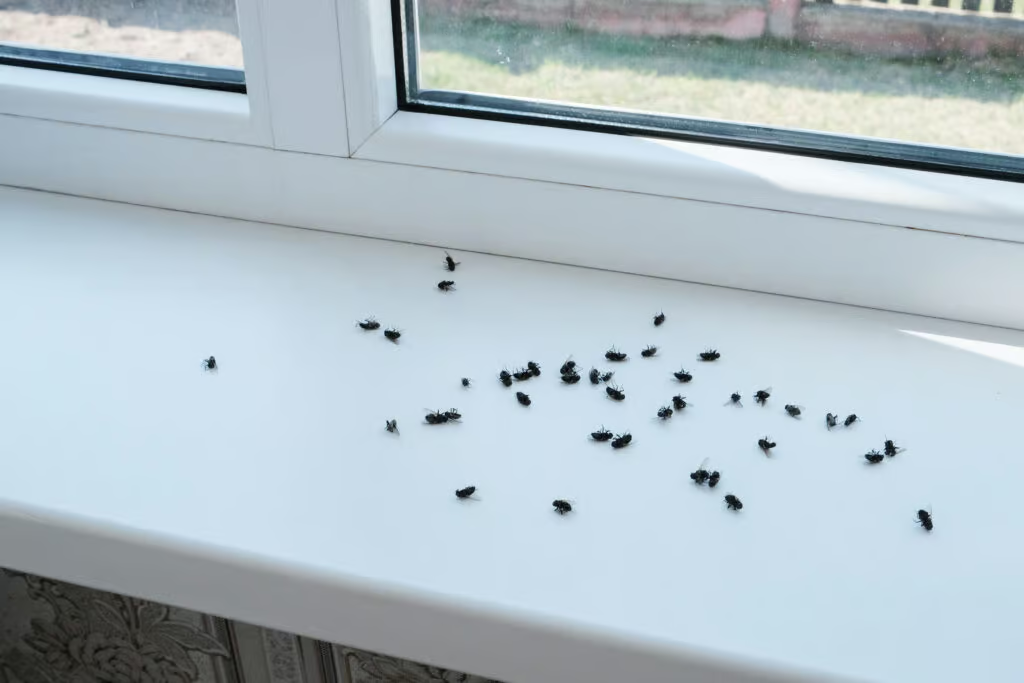
Don’t be surprised by activity showing up at inconsistent times. Some homes see the bulk of it in fall as bugs work their way in. Others see very little until a warm stretch in late winter or a mild March day, when insects that overwintered dormant in the walls wake up and start moving toward light and warmth, sometimes appearing in living spaces in noticeable numbers even though nothing changed on the outside of the house. Both patterns are normal for the same underlying cause.
The bottom line
If you’re seeing these pests gathering on your siding or window screens this fall, that’s the early warning window, not the emergency itself. Sealing what you can, keeping an eye on the sunniest sides of the house, and understanding that indoor sightings this winter don’t mean anything was missed, they just mean the timeline played out the way it usually does, will keep expectations realistic. If you’d rather have the perimeter treated ahead of the fall push, that’s something I handle for homes throughout Cumberland and York Counties.
For more prevention resources beyond this post, my technical information page links out to Maine DACF’s integrated pest management guidance and other Maine-specific resources worth bookmarking.