

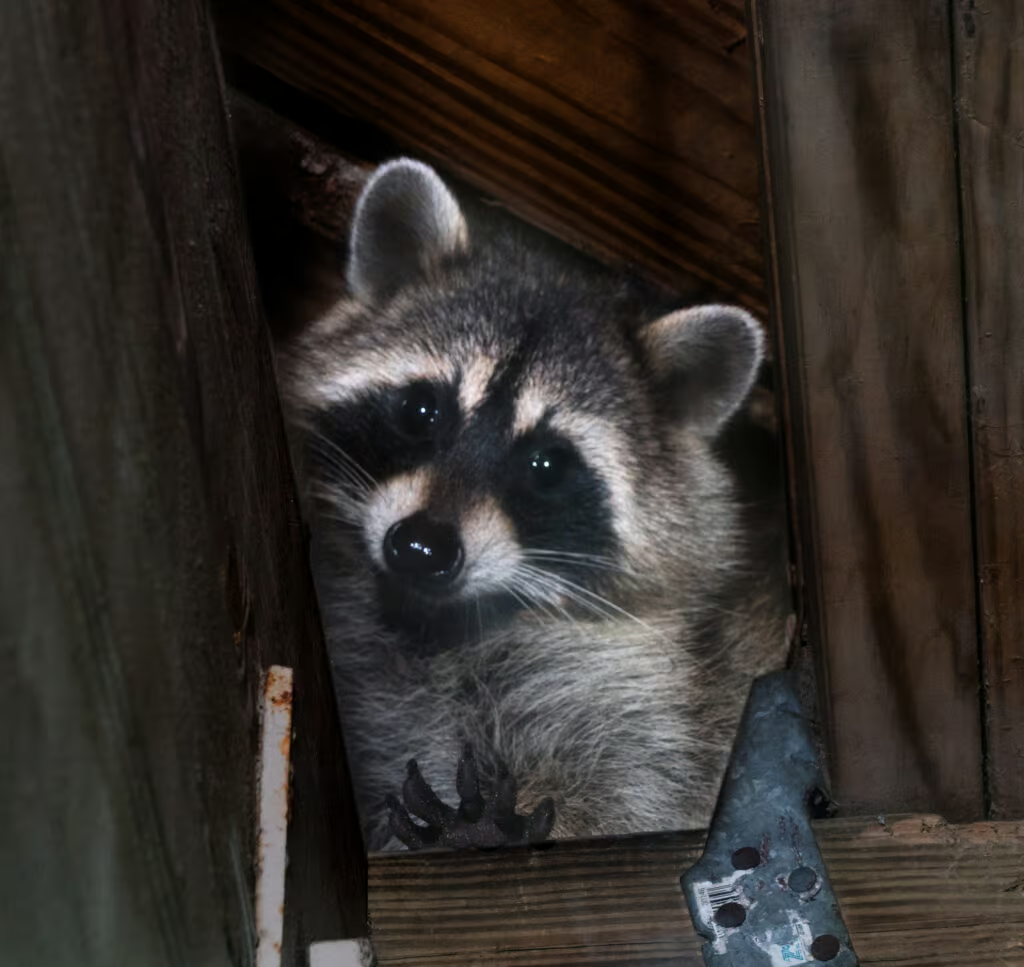
“Animal Control” and “Animal Damage Control” sound close enough to be the same thing, and I understand why people assume that. They’re not. In Maine, these are two entirely different systems, licensed by two different state departments, with two different scopes of authority, and calling the wrong one just means you’re waiting on hold with someone who’s going to redirect you anyway.
This isn’t a minor technicality. Several Maine towns list this exact distinction on their own websites, because it comes up often enough that they’ve had to standardize the answer. If you call your town’s Animal Control line about a raccoon in your attic, the honest response you’ll likely get is a referral to the Maine Warden Service for a list of licensed agents, because Animal Control isn’t authorized to handle it.
Animal Control Officers (ACOs)
Animal Control Officers are licensed and regulated by the Maine Department of Agriculture, Conservation and Forestry. They’re typically town or municipal employees, and their job is focused on domestic animals: stray or dangerous dogs, cats, livestock-at-large, and animal welfare or cruelty complaints. This is a public safety and animal welfare role, and it’s the right call for a loose dog, an aggressive dog, or a hoarding situation involving pets.
ACOs are not licensed to trap or remove wildlife. This isn’t a gap in their training, it’s outside the scope of what their license covers. If you call about a raccoon, a bat, or a skunk, a properly trained ACO will tell you that directly rather than attempt it.
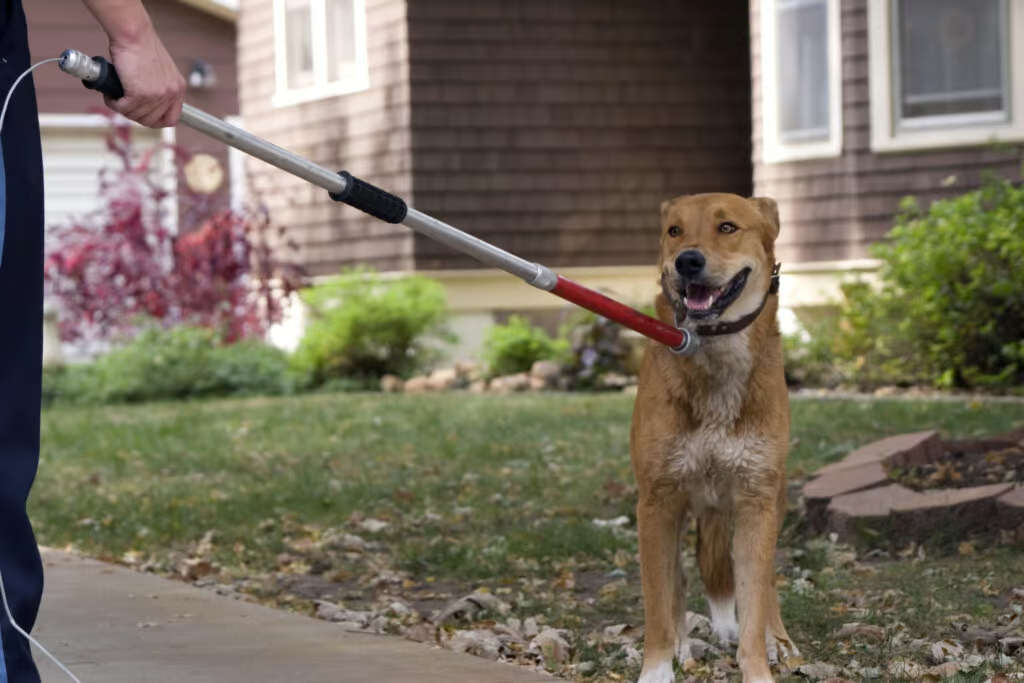
Animal Damage Control Agents (ADC Agents)
Animal Damage Control Agents are licensed and certified by the Maine Department of Inland Fisheries and Wildlife (MDIFW), not the Department of Agriculture. This is the license I hold. ADC Agents work under the guidance of regional wildlife biologists and district game wardens, but they’re independent contractors, not state employees, and not state-paid. There’s no standardized state fee schedule, agents set their own pricing.
This is the license that covers nuisance wildlife: raccoons in an attic, skunks under a porch, squirrels in a soffit, bats in a chimney, and similar conflicts between people and wild animals on residential or commercial property. It’s a wildlife management credential, not a law enforcement one, the training and certification are specifically about resolving human-wildlife conflicts safely, humanely, and in compliance with Maine wildlife law.
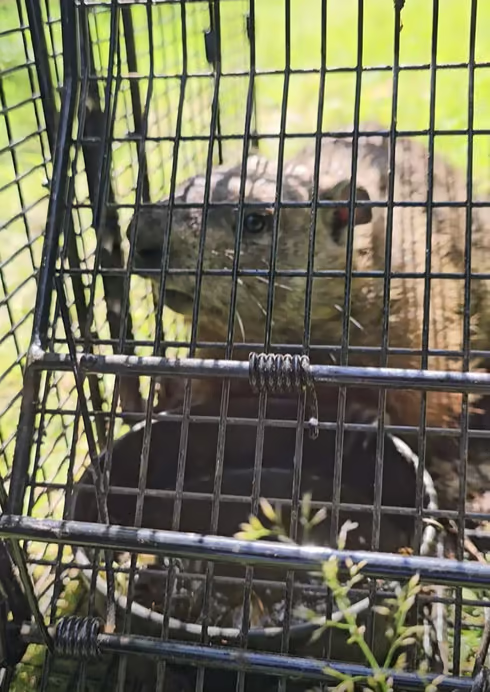
Why the Confusion Happens
Part of it is just the names, “Animal Control” and “Animal Damage Control” differ by exactly two words. Part of it is that both roles require a valid trapping license and both involve animals showing up somewhere they’re not wanted, so from a resident’s perspective, the situations can look similar even though the underlying legal framework is completely different.
The practical difference comes down to this: a dog on your property is a domestic animal control issue. A raccoon on your property is a wildlife issue. Different license, different department, different skill set. This isn’t just my framing of it either, several Maine towns state this directly on their own Animal Control pages, telling residents outright that ACOs aren’t licensed to trap wildlife and directing them to the Warden Service for an ADC Agent list instead.
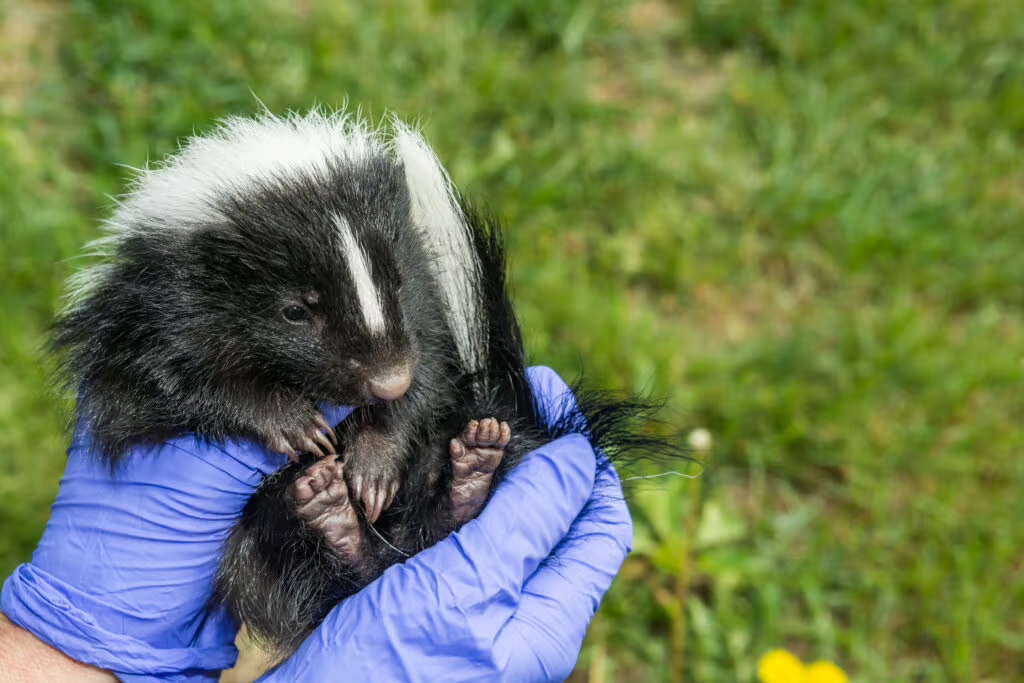
A Quick Way to Remember It
If the animal is someone’s pet, or could reasonably be someone’s pet, that’s Animal Control. If it’s a wild animal that’s moved into or under a structure, damaged property, or is otherwise behaving like wildlife rather than a lost pet, that’s Animal Damage Control.
If you’re ever unsure which applies, the Maine Warden Service (207-287-8000) can point you toward a licensed ADC Agent for wildlife issues, and your town’s Animal Control line is the right contact for anything involving a domestic animal.
What This Means If You’re Dealing With Nuisance Wildlife
If you’ve got wildlife activity, an animal in an attic, chewing damage, digging, or a den site too close to the house, that falls under nuisance wildlife control, which is the licensed ADC work I do throughout Cumberland and York Counties. I follow Maine’s ethical trapping, relocation, and prevention regulations as part of that license, the same regulatory framework this whole post is describing. You can see my full licensing and background here.