

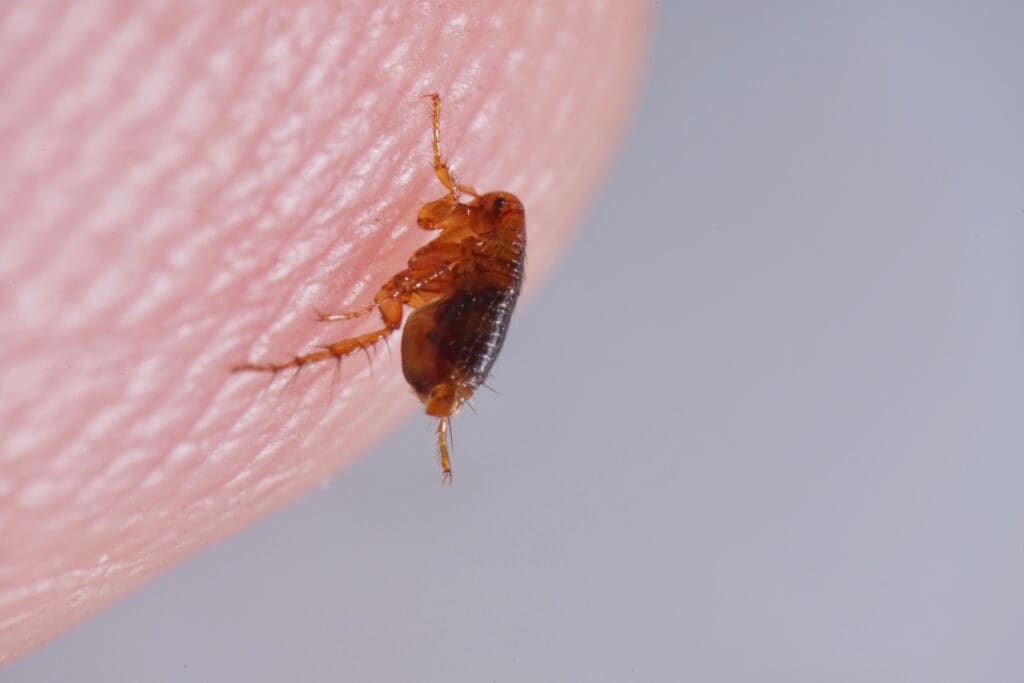
Fleas are one of the most frustrating pest problems to resolve without professional help. They are small, fast, and remarkably good at surviving in carpets, furniture, and floor cracks long after the animal that brought them in is gone. As an Associate Certified Entomologist with more than 16 years of experience serving Cumberland and York Counties, I handle flea infestations throughout southern Maine regularly in both occupied homes and rental properties between tenants. Here is what you need to know.
Understanding the Flea Life Cycle
Most people focus on the adult fleas they can see, but adults represent only a small fraction of the total flea population in an infested space. The rest of the population exists as eggs, larvae, and pupae hidden in carpeting, upholstered furniture, bedding, and floor cracks.
This is the single most important thing to understand about flea control: treating only the adults you can see leaves the vast majority of the infestation untouched.
The flea life cycle has four stages. Eggs are laid on the host animal but fall off quickly into the environment. Larvae hatch from those eggs and burrow into carpet fibers and debris on the floor. Larvae then develop into pupae inside a protective cocoon that is highly resistant to insecticides. Adults emerge from the cocoon when they detect heat, vibration, and carbon dioxide.
Here is where it gets important: flea pupae can remain dormant inside that cocoon for up to a year under the right conditions. A vacant home with no host present does not kill off the population. It just puts it on hold. This is why vacant properties can seem to explode with fleas the moment a new tenant or owner moves in, even if the unit sat empty for months.
Why Vacant Properties Are a Flea Trap
If a tenant with pets moves out of a rental unit, fleas do not leave with them. Eggs, larvae, and pupae remain behind in the carpet and flooring. With no host present to trigger emergence, pupae sit dormant and wait. When the next tenant moves in, all of that dormant population activates at once in response to heat, vibration, and carbon dioxide from the new occupants.
The new tenant has no pets, has done nothing wrong, and is suddenly dealing with a severe flea infestation that was entirely caused by the previous occupancy. This is a common and entirely preventable source of conflict between landlords and tenants.
Documenting whether outgoing tenants had pets and scheduling a professional flea treatment before releasing a unit to a new occupant is straightforward risk management for any property manager.
Fleas Are Not Always About Pets
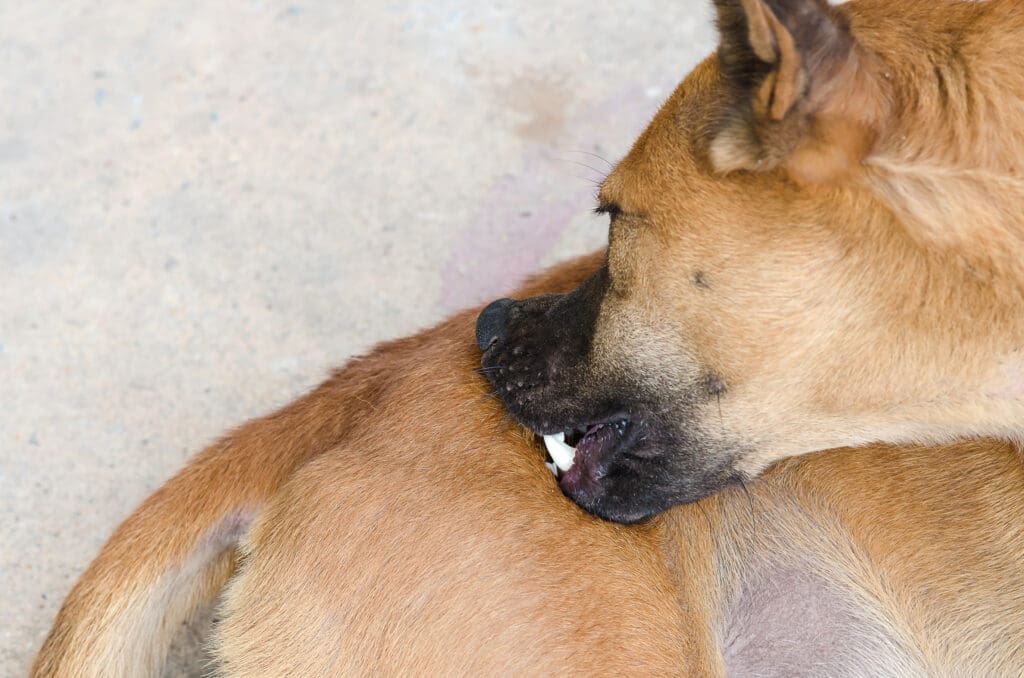
This is a point that gets overlooked regularly. Domestic pets are the most common flea source in a home, but they are not the only one. Rodents and wildlife are significant flea carriers and are frequently the actual source of an infestation, especially in homes without pets or in cases where flea problems keep coming back despite repeated treatment.
Mice, rats, squirrels, raccoons, and opossums all carry fleas. If any of these animals are active inside or around a structure, they can seed a flea infestation just as effectively as a dog or cat. A home with a rodent problem or nuisance wildlife activity around the foundation, crawl space, or attic may develop a flea infestation with no obvious pet source.
In these situations, treating for fleas without addressing the underlying rodent or wildlife issue will not produce lasting results. The flea population will keep getting reintroduced as long as the animal source remains active. A thorough inspection that looks at the full picture is essential before any treatment plan is put together.
Why Over-the-Counter Products Usually Fail
Store-bought flea sprays, foggers, and flea bombs are popular first responses and they almost always fall short. There are two main reasons.
First, most consumer products have no effect on flea pupae. The cocoon stage is chemically resistant, which means a fogger can kill every adult and larva in a room and still leave behind a population ready to emerge days or weeks later. Homeowners often think the treatment worked, let their guard down, and then face a second wave that seems to come from nowhere.
Second, foggers and aerosol bombs do not penetrate into the carpet fibers, furniture cushions, and floor cracks where the immature stages live. The product settles on open surfaces while the bulk of the infestation remains protected underneath.
This is similar to the issue with over-the-counter bed bug products where surface-level treatment misses the real problem entirely.
The Pet Treatment Problem
Professional flea control addresses the environment, but the pet also needs to be treated at the same time by a veterinarian. If the environment is treated but the pet is not, the pet continues to pick up emerging adults and re-infests the treated space. If the pet is treated but the environment is not, the pet walks back into a home still full of eggs, larvae, and pupae.
Both have to happen together for treatment to work. This coordination between pest control and veterinary care is one of the reasons flea infestations are so commonly re-treated by homeowners who skipped one or the other.
What Professional Flea Treatment Looks Like
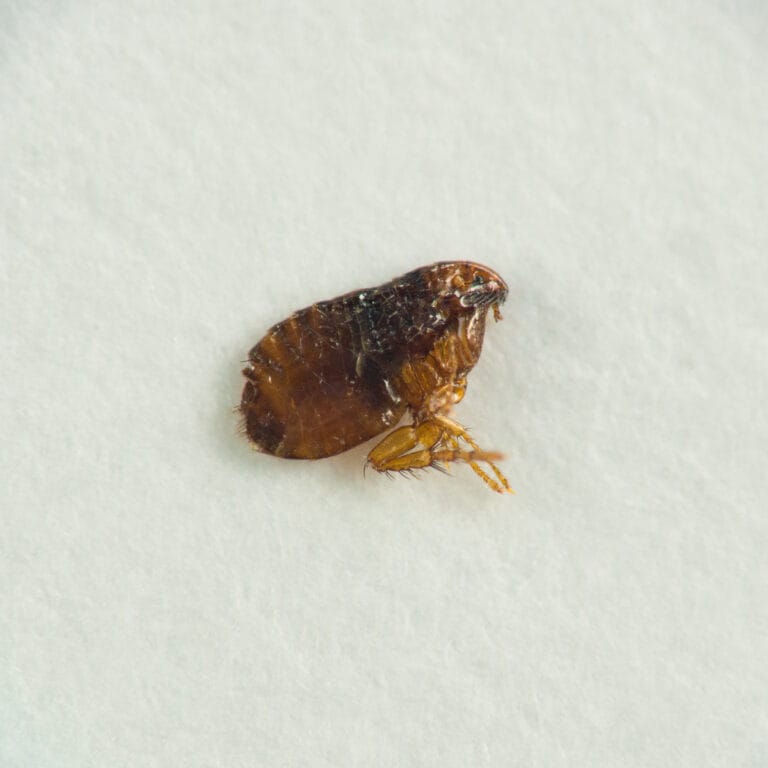
Effective flea treatment requires getting professional-grade products into the areas where immature stages are concentrated, primarily carpeting, rugs, upholstered furniture, and flooring gaps. A thorough vacuuming before treatment is important because it not only removes some of the population physically but the vibration also stimulates pupae to emerge, making them more vulnerable to treatment products.
A follow-up visit is standard. Because pupae are resistant to treatment, some emergence after the initial service is expected and normal. The follow-up addresses the adults that emerge after the first treatment and confirms the infestation has been resolved.
What About Outdoor Flea Treatment?
In Maine, outdoor flea treatment is occasionally warranted but is not the norm. Fleas generally do not survive well in open sunny areas. They tend to concentrate in shaded, humid spots where wildlife or pets rest, such as under decks, along fence lines, in crawl spaces, and in areas with heavy leaf litter or mulch.
If a property has a recurring flea problem tied to wildlife activity around the structure, a targeted outdoor treatment of those specific areas can be a useful addition to the indoor service. It is something worth discussing during the inspection if wildlife pressure is a known factor on the property.
What You Can Do Before the Inspection
- Vacuum all carpeted areas, rugs, upholstered furniture, and along baseboards thoroughly. Dispose of the vacuum bag or canister contents immediately outside the home.
- Wash all pet bedding on the highest heat setting the fabric will allow.
- Have your pet seen by a veterinarian for flea treatment timed to coincide with the professional interior treatment.
- Clear floor areas as much as possible to allow thorough product application.
- Do not use store-bought foggers or sprays before the professional treatment. They can complicate the situation without resolving it.
- If you have seen signs of mice, rats, or wildlife activity inside or around the structure, mention that when you call. It changes the inspection and treatment approach.
Serving Southern Maine Homes and Rental Properties
Precision Pest Control provides flea inspections and treatment for homeowners and property managers throughout Portland, Scarborough, Biddeford, Saco, Sanford, Standish, Westbrook, Gorham, Limerick, Old Orchard Beach, and much of southern Maine. Whether you are dealing with an active infestation in an occupied home or need a turnover inspection for a rental unit where pets were present, every job is handled personally by an Associate Certified Entomologist with 16-plus years of experience.
If you are dealing with fleas or want to get ahead of the problem before a new tenant moves in, visit the contact page to schedule an inspection.