

Raccoons in Southern Maine:
Identification, Prevention, and Control
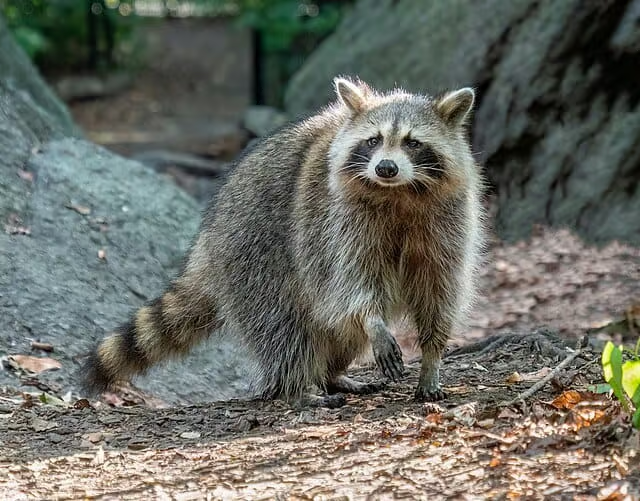
Raccoons are a common sight throughout Southern Maine, especially in the wooded and suburban neighborhoods of Biddeford and Saco. These intelligent nocturnal mammals frequently raid trash, gardens, and attics of older homes looking for food and shelter. If you hear heavy thumping at night, see overturned garbage, or notice large holes near your roof or foundation, get your free inspection today.
What Are Raccoons?
Raccoons (Procyon lotor) are medium-sized mammals easily recognized by their black “mask” across the eyes and bushy tail with 4 to 7 black rings. Adults weigh 10 to 30 pounds and measure about 2 to 3 feet long. They have grayish-brown fur, dexterous front paws, and a highly adaptable nature.
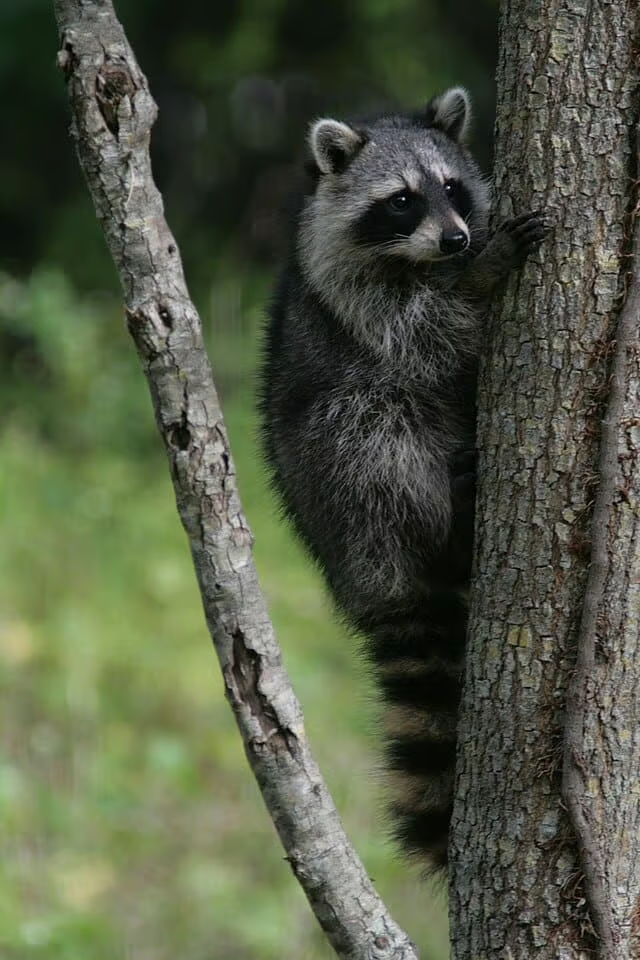
They thrive in our humid coastal climate near water, woods, and suburbs where they den in hollow trees, attics, chimneys, and crawl spaces. Nocturnal and extremely curious, they are common throughout central and southern Maine. They are among the largest and most destructive of the nuisance wildlife species found in Southern Maine, and the one most likely to cause significant structural damage when denning inside an attic or chimney.
According to the Maine Department of Inland Fisheries and Wildlife they are one of our most widespread mammals.
Signs of Activity
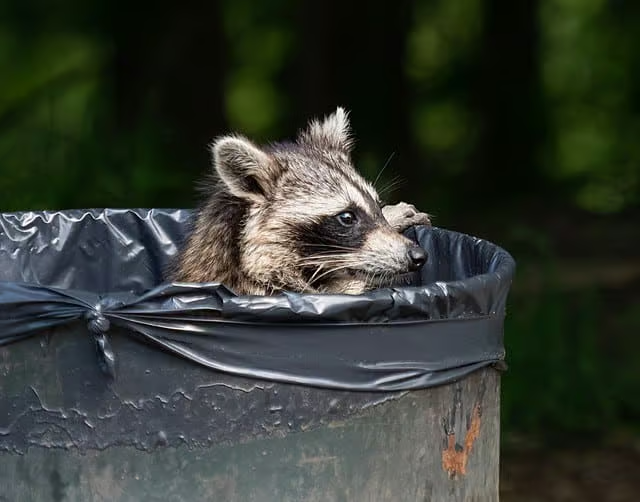
These clues usually appear first around trash cans, gardens, decks, or rooflines.
- Heavy thumping or scratching sounds at night in attics, walls, or chimneys
- Overturned or ripped-open garbage cans with scattered food waste
- Large 4–6 inch holes or chewed entry points in soffits, fascia, or roof vents
- Paw prints with five toes and visible claw marks in mud or snow
- Tubular scat 2–3 inches long often containing seeds, berries, or shells
- Torn-up garden beds, eaten corn, or damaged fruit trees
- Greasy smudges or rub marks along fences, decks, or siding
- Nesting material (leaves, insulation, or shredded paper) in attics or crawl spaces
In Standish and Windham homes these signs often increase in spring and fall when raccoons are actively foraging and seeking den sites.
Risks in Southern Maine
In our damp, wooded region raccoons can damage roofs and siding while entering homes, raid gardens and poultry, and contaminate attics or crawl spaces with droppings that may carry parasites. Older coastal homes with mature trees and accessible chimneys are especially vulnerable.
While they rarely attack people, their activity can create fire hazards from chewed wiring and spread roundworm through feces. My low-impact approach follows best practices from the Maine DACF Got Pests – Raccoons page and focuses on safe, targeted solutions for local conditions. Raccoons are sometimes confused with opossums, which raid the same food sources but are much smaller, slower-moving, and lack the raccoon’s distinctive mask and climbing ability, or with skunks, which also forage nocturnally near foundations and gardens but are identified immediately by their black-and-white coloring and defensive spray.
Prevention Tips
Simple exclusion and sanitation steps protect your home in Southern Maine.
- Secure all trash cans with locking lids and bungee cords
- Seal gaps and holes 4 inches or larger with heavy-gauge metal flashing or hardware cloth
- Install a tight-fitting chimney cap and repair damaged soffits or vents
- Remove fallen fruit, bird seed, and pet food from the yard nightly
- Trim tree limbs at least 6–8 feet away from the roof and walls
- Keep compost bins and woodpiles at least 20 feet from the house
- Install motion-activated lights or sprinklers around gardens and entry points
- Inspect and seal foundation vents, crawl space doors, and garage gaps every season
These steps prove especially effective in Scarborough and Buxton homes with wooded lots and older construction.
Professional Treatment
When prevention is not enough I provide targeted, low-impact control. I locate active entry points and den sites in attics, chimneys, and crawl spaces. Treatments are customized for each property. A single family home in Biddeford may need different focus than a business in Saco. I handle the entire process myself from start to finish.
Learn more about my background and methods on the About page. Contact me today to schedule your free inspection on the Contact page. If raccoons are getting into your attic, chimney, or trash, my nuisance wildlife control services in Southern Maine provide humane removal and targeted exclusion to protect your home and keep them from coming back.
Frequently Asked Questions
They climb trees and structures then squeeze or chew through gaps 4 inches or larger around chimneys, soffits, vents, and foundations.
Yes, they are native wildlife. I always follow Maine regulations and prioritize humane exclusion and relocation whenever possible and permitted.
Rarely once they have found food and shelter inside your home. Prompt exclusion is the most effective way to encourage them to move out permanently.
Related Resources
- Read the full species profile from the Maine Department of Inland Fisheries and Wildlife
- Find practical identification and control tips on the Maine DACF Got Pests – Raccoons page
Why Choose Precision Pest Control?
Your local solo specialist, I offer customized, low-impact pest control fitted to Southern Maine challenges for homes and businesses. Protect your property today. Reach out for your free inspection.