

Flying Squirrels in Southern Maine:
Identification, Prevention, and Control
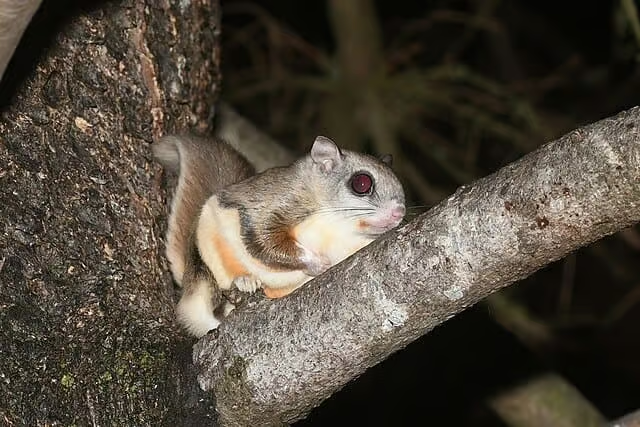
Flying squirrels are a common but often unseen presence throughout Southern Maine, especially in the wooded neighborhoods of Biddeford and Saco. These small nocturnal gliders frequently enter attics, wall voids, and soffits of older homes seeking warm shelter. If you hear soft scratching or thumping sounds at night or notice small holes near the roofline, get your free inspection today.
What Are Flying Squirrels?
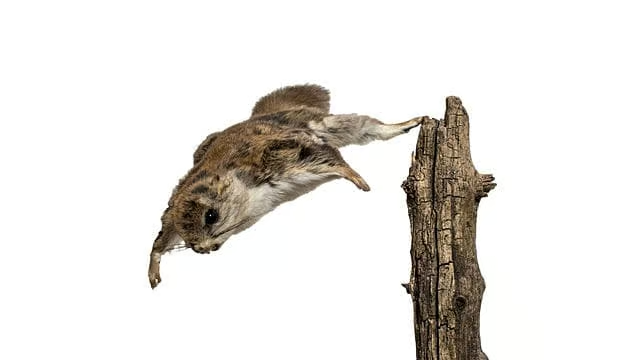
Flying squirrels in Southern Maine include both the northern flying squirrel (Glaucomys sabrinus) and the southern flying squirrel (Glaucomys volans). They are much smaller than gray squirrels, measuring 8 to 10 inches long with a flattened tail and a furry gliding membrane (patagium) stretched between their front and back legs. They have large dark eyes, soft grayish-brown fur, and a white belly.
Strictly nocturnal, they glide silently from tree to tree rather than fly. They thrive in our humid coastal climate in mixed woodlands and readily adapt to suburban homes with mature trees near the roofline. They are one of several nuisance wildlife species that commonly enter Southern Maine attics and wall voids, often going undetected for much longer than other squirrels because of their strictly nocturnal habits.
According to the Maine Department of Inland Fisheries and Wildlife they are found statewide but are most active at night.
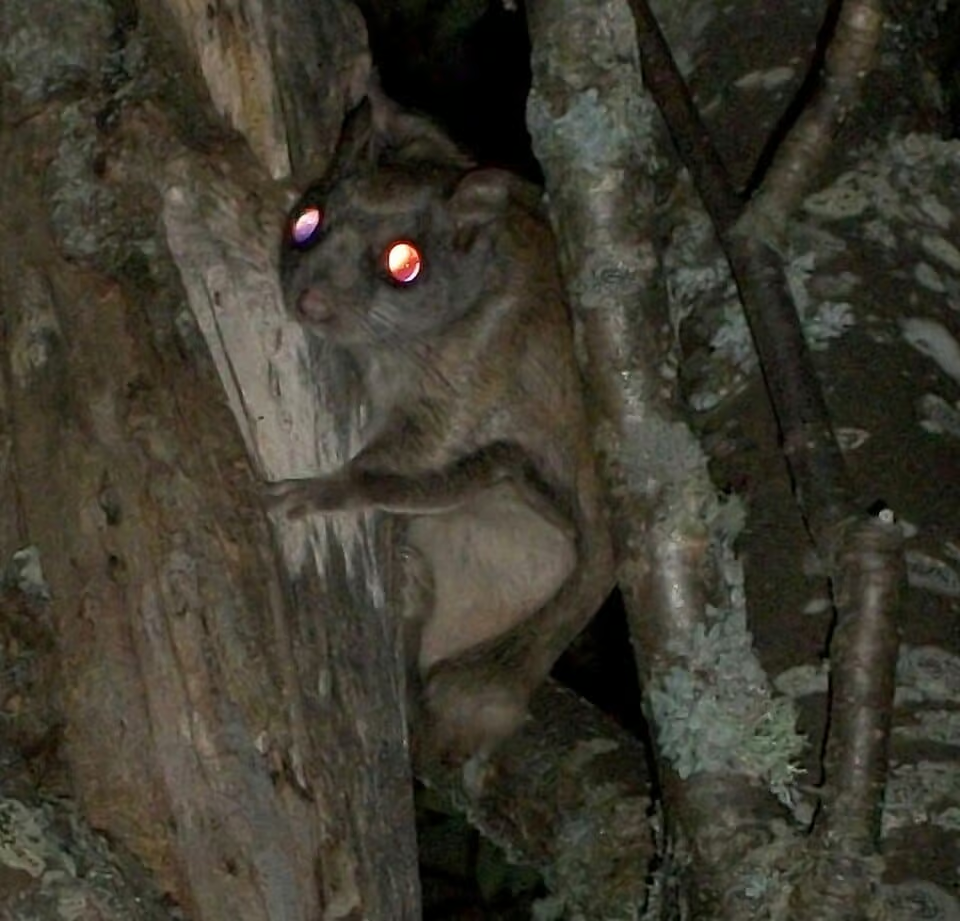
Signs of Activity
These clues usually appear first in attics, soffits, wall voids, or along the roofline.
- Soft scratching, thumping, or chattering sounds at night in ceilings or walls
- Small ½–1½ inch chew holes or gaps in soffits, fascia, or roof vents
- Tiny rice-shaped droppings with pointed ends scattered in attics or on beams
- Urine stains or grease marks along walls and entry points
- Nesting material (insulation, leaves, or shredded paper) pulled into wall voids
- Gliding entry points near trees that touch or overhang the roof
- Chewed electrical wiring, plastic pipes, or wooden trim inside attics
- Small tracks or smudges on dusty attic floors or rafters
In Limerick and Limington homes these signs often increase in late fall when flying squirrels seek winter shelter.
Risks in Southern Maine
In our damp, wooded region flying squirrels can chew through wiring (creating fire hazards), pull insulation for nests, and contaminate attic spaces with droppings and urine. Older coastal homes with mature trees close to the structure are especially vulnerable because they glide silently and enter through very small gaps.
While they rarely transmit diseases to people, their activity can lead to costly structural repairs and attract other pests if left unchecked. My low-impact approach follows best practices from the Maine DACF Got Pests – Squirrels page and focuses on safe, targeted solutions for local conditions. Flying squirrels are most often confused with gray squirrels, which cause similar attic damage but are active during the day and much larger, or with red squirrels, which are also small and aggressive about entering structures but lack the gliding membrane and are equally active in daylight.
Prevention Tips
Simple exclusion steps protect your home in Southern Maine.
- Trim all tree limbs at least 6–10 feet away from your roof and walls
- Seal gaps and holes as small as ½ inch with heavy-gauge metal flashing or hardware cloth
- Install a tight-fitting chimney cap and repair damaged soffits or vents
- Keep bird feeders away from the house and clean up spilled seed nightly
- Store firewood, trash, and compost at least 20 feet from the foundation
- Remove dense shrubbery and ground cover touching the house
- Inspect and seal attic vents, soffits, and roofline gaps every season
- Use metal collars on pipes and wires where they enter the home
These steps prove especially effective in Buxton and Hollis homes with mature trees close to older structures.
Professional Treatment
When prevention is not enough I provide targeted, low-impact control. I locate active entry points and nesting areas in attics, soffits, and wall voids. Treatments are customized for each property. A single family home in Biddeford may need different focus than a business in Saco. I handle the entire process myself from start to finish.
Learn more about my background and methods on the About page. Contact me today to schedule your free inspection on the Contact page. If flying squirrels are getting into your attic or walls, my nuisance wildlife control services in Southern Maine provide humane exclusion and targeted repairs to seal entry points and keep them out permanently.
Frequently Asked Questions
They glide from nearby trees and squeeze through gaps as small as ½ inch around rooflines, soffits, vents, and chimneys.
Yes, they are native wildlife. I always follow Maine regulations and prioritize humane exclusion and relocation whenever possible and permitted.
Rarely once they have established a nest and food cache inside your attic. Prompt exclusion is the most effective way to encourage them to move out permanently.
Related Resources
- Read the full species profile from the Maine Department of Inland Fisheries and Wildlife
- Find practical identification and control tips on the Maine DACF Got Pests – Squirrels page
Why Choose Precision Pest Control?
Your local solo specialist, I offer customized, low-impact pest control fitted to Southern Maine challenges for homes and businesses. Protect your property today. Reach out for your free inspection.