

Carpet Beetles in Southern Maine:
Identification, Prevention, and Control
Carpet beetles are one of the most common fabric-damaging pests I encounter in Southern Maine homes, and one of the most frequently misdiagnosed. Homeowners often discover the damage before they ever see the culprit, finding irregular holes in a wool sweater, thinning patches in a rug, or damage to stored clothing and think they have clothes moths. In many cases it’s carpet beetles. I find their activity regularly in homes throughout Lake Arrowhead, Sebago, Standish, and Raymond, where older homes with attics, seasonal storage, and wool rugs give larvae ideal undisturbed feeding sites. As an Associate Certified Entomologist (A.C.E.) with 16 years of experience in the region, correct species identification is my starting point because carpet beetles and clothes moths require different treatment approaches. Browse the stored product pests library to compare species, or contact me for identification and treatment help.
What Are Carpet Beetles?
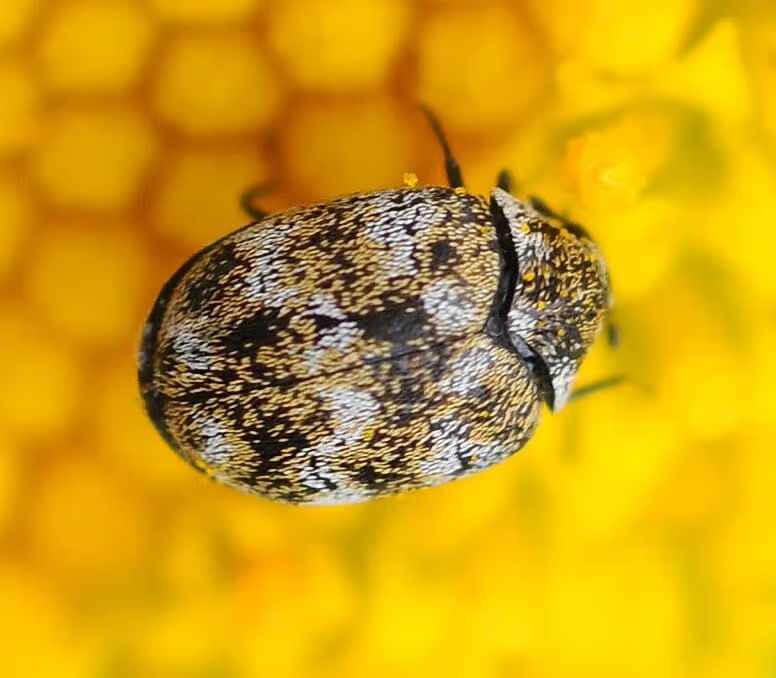
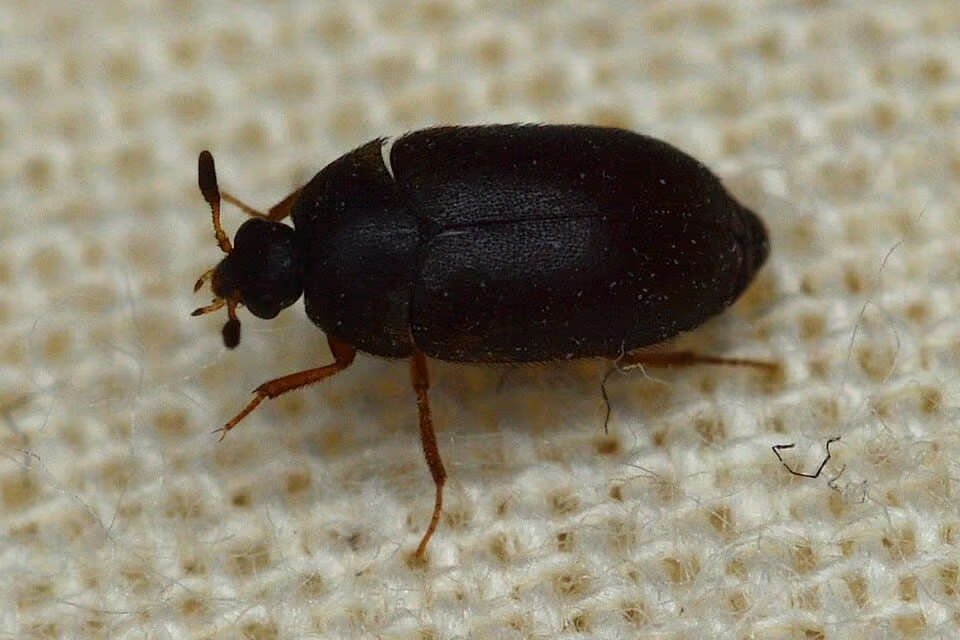
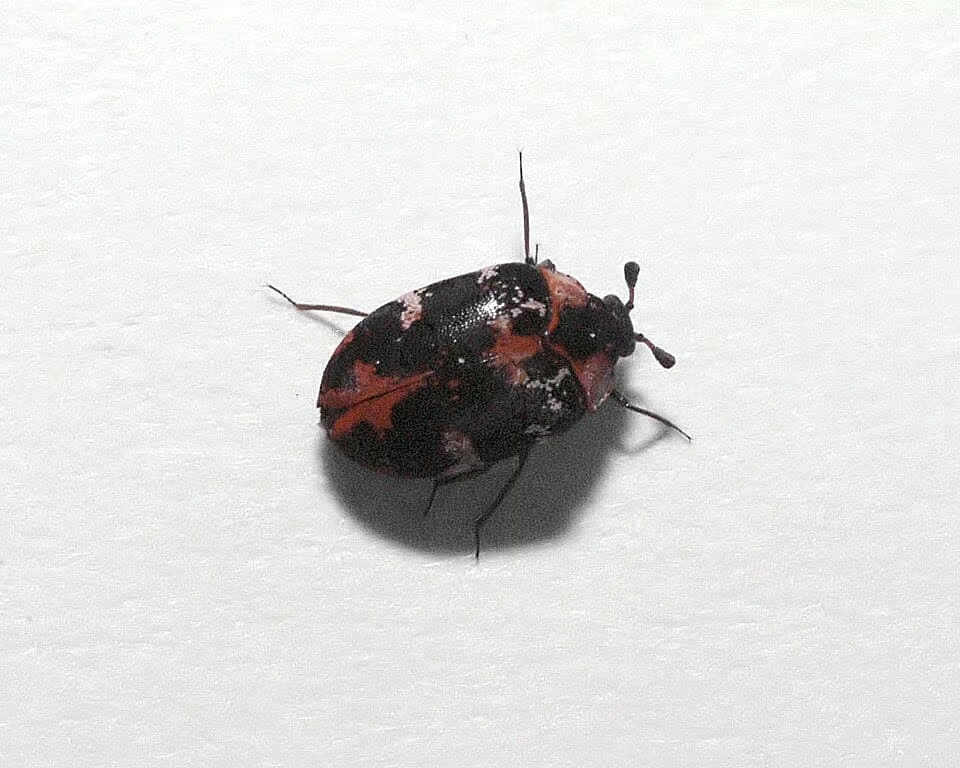
Carpet beetles belong to the family Dermestidae and include several species commonly found in Southern Maine. The most frequently encountered are the varied carpet beetle (Anthrenus verbasci), the black carpet beetle (Attagenus unicolor), and the common carpet beetle (Anthrenus scrophulariae). Adults are small, 1/8 to 1/4 inch in length, oval-bodied beetles. The varied carpet beetle and common carpet beetle have distinctive mottled patterns of white, yellow, orange, and black scales. The black carpet beetle is uniformly dark brown to black with fine hairs.
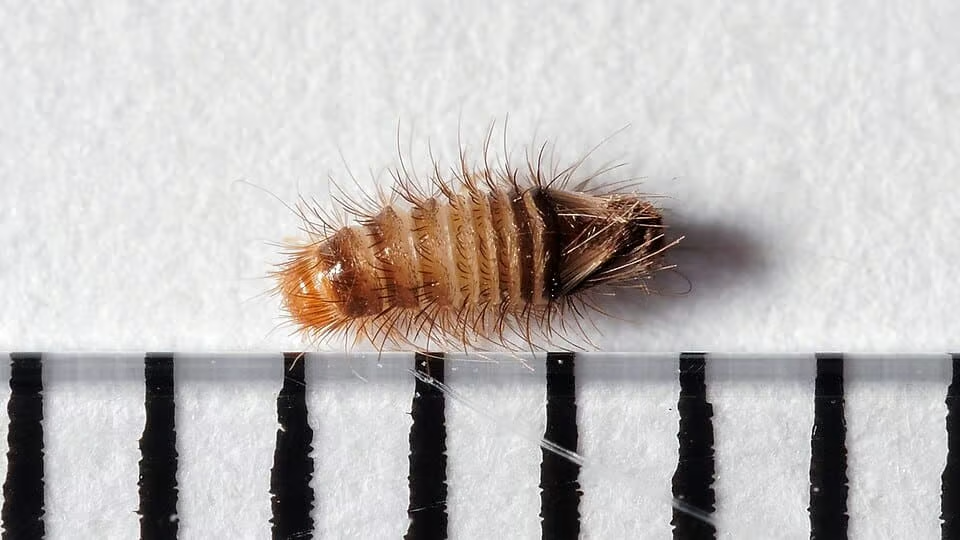
The larvae are the damaging stage, not the adults. Larvae are carrot-shaped, reddish-brown to tan, and covered in stiff bristly hairs that give them a fuzzy or spiky appearance. They feed on keratin-rich animal-derived materials including wool, silk, feathers, leather, fur, dried insects, hair, and pet food. Adult carpet beetles feed on pollen and nectar outdoors and are harmless to fabrics. They enter homes through open windows and doors in spring and early summer, attracted by light, and lay eggs on susceptible materials inside. According to the UMaine Extension carpet beetles fact sheet, carpet beetles are among the most common fabric pests found in Maine homes and are frequently found in undisturbed areas where animal-derived materials accumulate.
Signs of Infestation
Because carpet beetle larvae feed in dark, undisturbed areas, infestations are often well-established before they’re discovered. The signs to look for include:
- Irregular holes or thinning patches in wool sweaters, blankets, rugs, or upholstery, concentrated in areas that aren’t frequently disturbed
- Small, fuzzy, brown or reddish larvae crawling on floors, windowsills, or baseboards
- Shed larval skins, which look like hollow, bristly husks, near infested items or in dark corners
- Fine fecal pellets resembling coarse sand near damaged fabrics or stored items
- Adult beetles on windowsills, near light fixtures, or on flowers brought indoors in spring and early summer
- Damage to taxidermy mounts, feather pillows, stored wool clothing, or natural fiber rugs
- Larvae or frass concentrated in closets, under furniture, in attics, or along baseboards where lint and hair accumulate
In Lake Arrowhead and Sebago homes, activity often becomes visible in late winter through early summer when larvae reach their most active feeding stage before pupating.
Risks in Southern Maine
Carpet beetles pose no meaningful health risk to most people. They do not bite, sting, or spread disease. The stiff bristly hairs on larvae can cause mild skin irritation or an itchy rash in people with sensitivities, which is occasionally mistaken for a bed bug reaction. If you’re finding unexplained skin irritation and damage to fabrics simultaneously, carpet beetle larvae are worth investigating alongside other possibilities.
The primary concern is damage to personal property. Wool rugs, heirloom quilts, cashmere sweaters, silk garments, leather items, taxidermy, and natural fiber upholstery are all vulnerable. In Southern Maine’s humid climate, undisturbed storage areas in attics, closets, and spare rooms provide ideal conditions for larvae to feed through an entire season without detection. By the time damage is visible, a generation or more of larvae may have already completed their development. In commercial settings such as museums, antique dealers, clothing retailers, and hospitality businesses with upholstered furniture, carpet beetle activity represents a direct financial liability.
Prevention Tips
Carpet beetle prevention is primarily about removing the food sources and undisturbed harborage areas that larvae require:
- Vacuum floors, closets, under furniture, baseboards, and along wall edges regularly, as accumulated lint, hair, and dead insects are primary larval food sources
- Wash or dry clean wool, silk, cashmere, and feather items before storing them for the season, as soiled fabrics are more attractive to egg-laying adults
- Store susceptible clothing and textiles in sealed hard-sided containers or vacuum storage bags rather than cardboard boxes, which larvae can penetrate
- Reduce indoor humidity with dehumidifiers in basements, closets, and storage areas
- Remove bird nests, wasp nests, and accumulated dead insects from attics, eaves, and wall voids, as these are prime carpet beetle breeding sites
- Inspect secondhand furniture, rugs, and clothing carefully before bringing them into the home
- Keep cut flowers indoors only briefly in spring and early summer, as adult carpet beetles feed on pollen and are commonly carried inside on flowers
- Consider a year-round protection plan for properties with recurring activity or significant collections of natural fiber textiles and antiques
Commonly Confused With
Carpet beetles are most commonly confused with two other pests:
Casemaking clothes moths and webbing clothes moths damage the same types of materials and are the most important distinction to make for treatment purposes. Clothes moth larvae are creamy white caterpillars, not bristly brown grubs, and they leave either a portable silk case or flat silky webbing on damaged fabric surfaces that carpet beetles do not produce. Adult clothes moths are small buff-colored moths that avoid light and flutter close to the ground, unlike carpet beetle adults which are small oval beetles found near windows and light fixtures in spring. If you’re finding silk webbing or a portable case alongside the fabric damage, clothes moths are more likely.
Bed bugs are occasionally confused with carpet beetles when larvae are found in bedroom areas, particularly if the homeowner is also experiencing unexplained skin irritation. Bed bugs are flat, oval, and reddish-brown without the bristly hair covering that characterizes carpet beetle larvae. Bed bug activity is concentrated in mattresses, box springs, and bed frames rather than in fabrics and stored items. If you’re uncertain which pest you’re dealing with, professional identification is the right call before treatment.
Professional Carpet Beetle Control in Southern Maine
Effective carpet beetle treatment requires locating all active larval feeding sites, addressing the source materials sustaining the population, and applying targeted treatment to the specific areas where larvae are present. I start every job with a thorough inspection of closets, attics, rugs, upholstered furniture, and storage areas to identify all active feeding sites and the materials supporting the infestation. Targeted residual treatments and insect growth regulators are applied only to cracks, crevices, and confirmed infested areas with no broad spraying. Heavily infested items that cannot be effectively treated are identified for disposal or professional cleaning. I’ve been handling carpet beetle calls across Cumberland and York Counties for 16 years, and my common pests control service covers carpet beetles alongside the full range of fabric and stored product pests. Learn more about my background on the about page, or contact me to schedule a free inspection.
Frequently Asked Questions
Carpet beetles do not bite, sting, or spread disease. The bristly hairs on larvae can cause mild skin irritation or an itchy rash in people with sensitivities, which is occasionally mistaken for a bed bug reaction. Beyond that, they pose no health risk to people or pets. Their impact is entirely on animal-derived materials like wool, silk, feathers, and leather.
Adults fly in from outdoors in spring and early summer, attracted to light and flowers, and lay eggs on susceptible materials inside. Once larvae hatch they seek out undisturbed areas with accumulated lint, hair, dead insects, or animal-derived fabrics. Maine’s humid climate and the prevalence of older homes with attics and seasonal storage areas create reliable conditions for populations to establish and go unnoticed for extended periods.
Carpet beetle larvae can feed for several months to over a year depending on temperature, humidity, and food availability. Left untreated, populations persist as long as food sources remain available, and adults emerging from pupation will lay eggs on new materials extending the infestation. Thorough cleaning combined with targeted professional treatment typically resolves an active infestation within four to eight weeks, though monitoring for reinfestation over the following season is advisable.
Ready to Get Started?
If you’re finding fabric damage, bristly larvae, or shed skins in closets, rugs, or stored items, reach out for a free inspection and I’ll identify the species and locate all active feeding sites.