

Stored Product Pests in Southern Maine:
Identification & Prevention
Stored product pests are the moths, beetles, and weevils that infest pantries, dry goods, and natural-fiber textiles. Unlike most household pests, they don’t enter through gaps in foundations or cracks around windows. They ride in inside infested groceries, birdseed, or pet food, with eggs or early larvae already present at purchase. As an Associate Certified Entomologist (A.C.E.), accurate species identification is where I always start, because the 13 species on this page fall into three different biological groups that each require a different management approach. Browse the species below, or contact me if you need help with identification.
Quick Fact: Most stored product pest infestations trace back to a single infested product that’s been sitting undisturbed at the back of a shelf for months. The insects were already present at purchase.
Common Stored Product Pests in Southern Maine
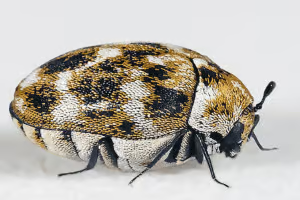
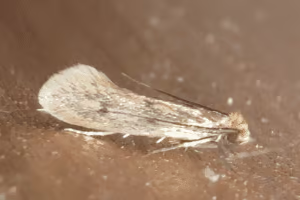
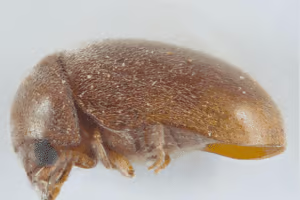
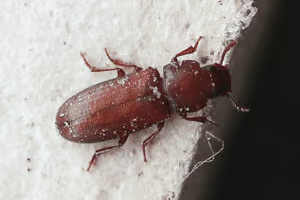
Why Stored Product Pests Appear in Southern Maine Homes and Businesses
The introduction route is almost always the same: an infested product comes home from the store. Flour, cornmeal, oats, rice, dried pasta, spices, nuts, dried fruit, dry pet food, and birdseed are the most common carriers. The eggs or early larvae are too small to detect at purchase, and by the time adults are visible the infestation has been building for weeks or months.
Once inside, these insects establish quickly in warm, undisturbed environments: the back of a cabinet, a shelf above the refrigerator, a bin in the basement, or any container made of cardboard or thin plastic that doesn’t seal completely. For the fabric-feeding species, it’s wool rugs, stored clothing, or any animal-fiber material that hasn’t been disturbed in a while.
Maine’s heated interiors work against homeowners here. While many outdoor pests slow down in winter, stored product pests already established inside a warm home continue breeding year-round. A bag of birdseed stored in a garage through a Maine winter, or a bulk grain purchase sitting unused in a camp or seasonal property in Raymond or Naples, provides exactly the kind of stable, undisturbed environment these insects need to build a significant population before spring. Older farmhouses and outbuildings in Buxton and Hollis with long-stored textiles, feed supplies, or cured meats are also common sites for larder beetle and fabric pest activity.
Identification Tips for Stored Product Pests in Southern Maine
The 13 species on this page fall into three biological groups with different feeding habits, appearances, and signs of activity.
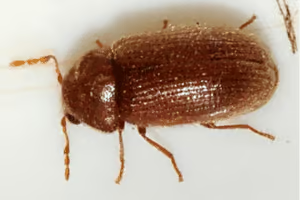
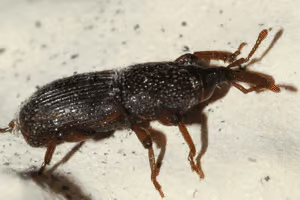
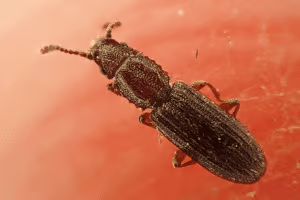
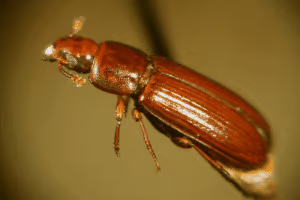
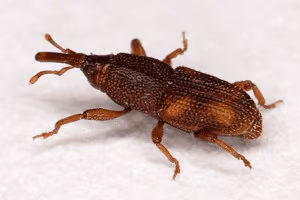
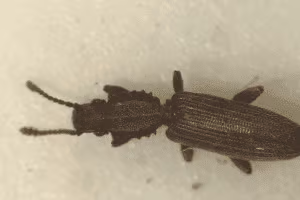
Food-infesting beetles include the confused flour beetle, red flour beetle, sawtoothed grain beetle, merchant grain beetle, cigarette beetle, drugstore beetle, granary weevil, and rice weevil. These are small, hard-bodied insects ranging from about 1/10 to 1/4 inch, reddish-brown to dark brown. The flour and grain beetles are flattened and fast-moving. The cigarette and drugstore beetles have a distinctly humped profile with the head tucked under the thorax. The weevils are immediately identifiable by their elongated snout. Key signs: fine powdery or gritty frass mixed into food products, small holes in packaging, and adults found near windowsills or crawling on pantry shelves.
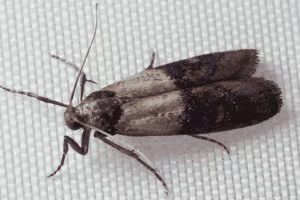
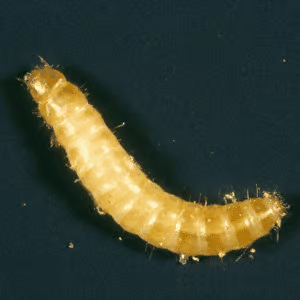
Food-infesting moths: The Indianmeal moth is the most common pantry moth in southern Maine homes. Adults are distinctive. The inner third of each forewing is pale gray and the outer two-thirds is reddish-brown with a coppery luster. The larvae produce silken webbing throughout infested grain products and migrate away from the food to pupate, which is why small caterpillars crawling up walls or across ceilings are often the first visible sign.
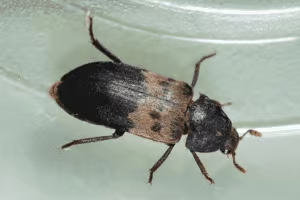
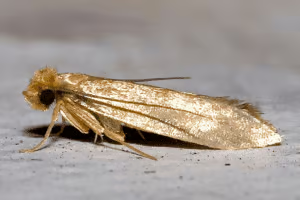
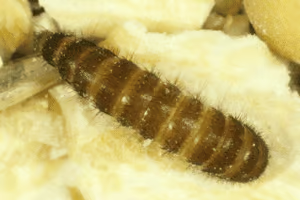
Fabric and keratin-feeding species include the webbing clothes moth, casemaking clothes moth, carpet beetles, and larder beetle. Clothes moths are small, golden-buff, and strongly light-averse, rarely seen flying. Their larvae feed on wool, silk, fur, and cashmere. Casemaking clothes moth larvae carry a portable silken case as they feed. Carpet beetles are small, patterned oval beetles whose adults often first appear on windowsills. Their carrot-shaped, bristly larvae do the real damage to wool, fur, feathers, and grain products out of sight, and shed microscopic hairs that are a known allergen. Larder beetles target high-protein foods including dried meats, cheese, pet food, and dead insects.
Other signs across all groups: shed larval skins in food or fabric, webbing inside cereal boxes or grain bags, irregular holes in wool rugs or clothing, and beetles found beneath canned goods on pantry shelves.
Behavior & Habits of Stored Product Pests
The food-infesting beetles spend most of their life cycle inside or on their food source. The flour and grain beetles are secondary feeders that cannot attack intact whole kernels, targeting instead broken grain, flour, cereal, and processed foods. Generation time is short, often four to six weeks under warm indoor conditions, which is why populations build quickly. The weevils develop entirely inside intact kernels, the female sealing a single egg inside before it hatches and feeds internally. This means a bag of whole grain can harbor a significant weevil population with no visible external signs until adults emerge. Cigarette and drugstore beetles have the broadest diet of any pantry beetle, readily infesting spices, dried herbs, rodenticide bait blocks, leather, and even books.
Indianmeal moth larvae feed and web inside grain products, then leave the food entirely to find a protected place to pupate, crawling up walls and into ceiling crevices. This wandering behavior is why the larvae are often spotted far from the actual infested source.
Clothes moths are strongly light-averse and stay hidden within whatever they’re feeding on, causing significant damage before any adult is ever seen. Carpet beetles are more wide-ranging, moving between food and fabric sources throughout a home. Their adults flying to windows is typically the first visible sign. Larder beetles are scavengers most often associated with a secondary pest or sanitation issue providing their food base: a rodent carcass in a wall void, a cluster fly accumulation in an attic, or improperly stored cured meat.
Risks & Threats from Stored Product Pests
- Food contamination: Any food infested with larvae, eggs, frass, or shed skins should be discarded entirely. The contamination cannot be sorted out or made safe.
- Allergen exposure: Carpet beetle larval hairs are a documented allergen that can cause skin irritation, rashes, and respiratory symptoms with prolonged or repeated exposure.
- Permanent fabric damage: Damage to wool rugs, cashmere, silk, upholstered furniture, and heirlooms from clothes moths or carpet beetles cannot be repaired.
- Rapid spread: A single infested bag of birdseed can contaminate flour, cereal, and pet food stored nearby. Clothes moth larvae in one garment can move to adjacent stored items.
- Hidden breeding sites: Cigarette and drugstore beetles readily infest rodenticide bait blocks in basements or crawl spaces, sustaining the infestation even after pantry items are cleaned out.
Stored product pests in commercial food storage, restaurants, and retail settings carry serious food safety compliance consequences. My commercial pest control service covers these environments across Cumberland and York Counties.
General Prevention Tips for Stored Product Pests
- Inspect groceries before putting them away, particularly bulk items, birdseed, dry pet food, and anything in paper or thin cardboard packaging
- Transfer pantry staples into hard-sided airtight containers made of glass or heavy plastic. Cardboard boxes and thin plastic bags will not stop these insects.
- Rotate stock consistently and don’t allow anything to sit undisturbed at the back of a shelf for more than a few months
- Clean pantry shelves and cabinet interiors regularly, vacuuming cracks and corners with a crevice attachment
- Store natural-fiber textiles including wool, cashmere, and silk in sealed containers or bags, and launder or dry clean items before long-term storage
- Check rodenticide bait blocks stored in basements or crawl spaces. Cigarette and drugstore beetles infest them readily.
- If you suspect a product is infested, seal it in a plastic bag and freeze it for four days to kill all life stages before inspecting
- For ongoing monitoring and early intervention, the University of Maine Cooperative Extension IPM program recommends an integrated approach that targets the source rather than just the insects you can see
Frequently Asked Questions
Indianmeal moths are probably the most frequently encountered. Most people have had them at some point, often spotting the larvae crawling up a kitchen wall before finding the infested food. Carpet beetles are common and frequently go unrecognized until fabric or rug damage turns up. Flour beetles, sawtoothed grain beetles, and cigarette and drugstore beetles show up regularly in pantries. Clothes moths tend to appear in homes with wool rugs or stored wool clothing that hasn’t been worn in a while.
Most infestations arrive in a grocery bag. The eggs or early larvae are already in the product when purchased, often introduced at a warehouse or distribution facility. Products sitting undisturbed for long periods and open or thin packaging allow small introductions to grow into real problems. Birdseed and dry pet food are among the most common sources I see in southern Maine homes.
Inspect everything in the affected area, including unopened packages. Stored product beetles can chew through cardboard and thin plastic. Pay particular attention to bulk grains, flour, dried fruit, nuts, spices, birdseed, dry pet food, and anything not used recently. Also check rodenticide bait blocks if present. Look for webbing, larvae, frass, or a musty smell. If the source isn’t obvious, a professional inspection is the most reliable next step.
Infested food should not be consumed. Carpet beetle larval hairs are a real allergen that can cause skin irritation and respiratory symptoms in sensitive individuals. Most other stored product pests are a food safety and property damage concern rather than a direct health threat, but contaminating a household food supply is serious on its own.
Yes, though the species differ. Grain-infesting beetles and moths stay near their food source, while carpet beetles and clothes moths target natural-fiber textiles and can be found anywhere in a home. Carpet beetles are particularly wide-ranging and can move from a pantry infestation to a wool rug in another room.
If you’ve removed all visibly infested products, cleaned thoroughly, and are still seeing adults several weeks later, there is almost certainly a source you haven’t found. This could be pet food stored out of sight, birdseed in a garage, rodenticide bait blocks in a basement, a dead animal in a wall void, or a wool item in a closet. That’s the point where a professional inspection saves significant time and frustration.
Professional Stored Product Pest Control in Southern Maine
Identifying the source correctly before treating is something I take seriously, and with stored product pests it’s usually the hard part. If you’re seeing moths in your kitchen, beetles in your pantry, or unexplained damage to rugs or clothing, I’m happy to take a look. Learn more about my common pests service or contact me to schedule a free assessment.