

Merchant Grain Beetles in Southern Maine:
Identification, Prevention, and Control
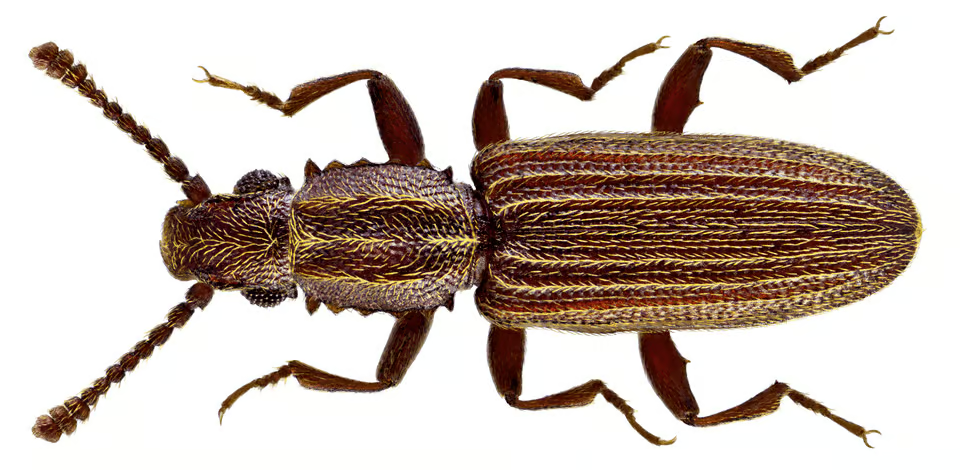
Merchant grain beetles are one of the most common small grain beetles found in Southern Maine pantries, and one of the most frequently confused with their near-identical relative the sawtoothed grain beetle. The two species look so similar that even the common names are often used interchangeably in casual conversation, but there is one practical difference worth knowing: merchant grain beetles can fly, and sawtoothed grain beetles cannot. I find merchant grain beetles regularly in homes throughout Raymond and Waterboro as well as in Naples and Casco, typically introduced through infested purchased grocery products. As an Associate Certified Entomologist (A.C.E.) with 16 years of experience in the region, accurate identification is my starting point because knowing which species you have helps assess how far the infestation may have spread. Browse the stored product pests library to compare species, or contact me for identification and treatment help.
What Are Merchant Grain Beetles?
The merchant grain beetle (Oryzaephilus mercator) belongs to the family Silvanidae. Adults are small, approximately 1/10 inch long, dark brown, and distinctly flattened, with six saw-like teeth along each side of the thorax. This serrated thorax is the defining visual feature of both merchant and sawtoothed grain beetles and distinguishes them immediately from the flour beetles and other pantry beetles that are superficially similar in color. Adults have functional wings and can fly, which means they can spread from an infested product to other food sources more readily than sawtoothed grain beetles.
The larvae are small, yellowish-white, and worm-like, feeding on the surface of and within packaged food products. Merchant grain beetles feed on a wide range of stored products including cereals, grains, flour, dried fruit, nuts, spices, chocolate, and similar items. Unlike granary weevils and rice weevils, they do not develop inside whole kernels and instead feed on the surface of grain products and in packaged goods. According to the UMaine Extension grain beetles fact sheet, both merchant and sawtoothed grain beetles are among the most frequently encountered stored product beetles in Maine households.
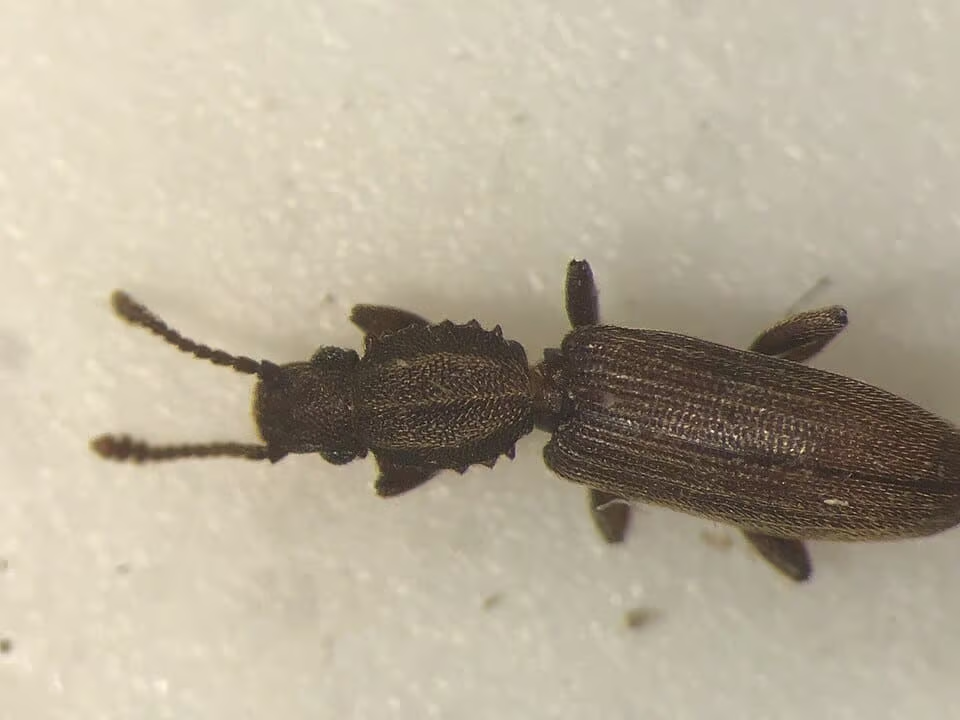

Signs of a Merchant Grain Beetle Infestation
Merchant grain beetle activity produces similar signs to other small pantry beetles:
- Small, dark brown, flattened adult beetles crawling on pantry shelves, inside food packages, or flying near lights and windows
- Fine dusty frass mixed into cereals, grains, flour, dried fruit, or spices
- Tiny yellowish-white larvae or grubs inside infested food products
- Small holes or chew marks in cardboard boxes, paper bags, or thin plastic packaging
- Empty pupal cases or shed larval skins in pantry cracks, corners, and on shelf edges
- Clumped or compacted food material from larval feeding activity
- Musty or off odor from heavily infested containers
In Raymond and Waterboro homes, activity tends to increase during warmer months when temperatures favor faster development, and after introducing infested purchased products. Because adults can fly, finding beetles in areas removed from the obvious food source is more common with merchant grain beetles than with sawtoothed grain beetles.
Risks in Southern Maine
Merchant grain beetles pose no health risk to people or pets. They do not bite, sting, or spread disease. Consuming food contaminated with frass, larvae, or cast skins is unpleasant but not a meaningful health concern for most people.
The primary concern is food contamination and loss. Once established in one pantry product, merchant grain beetles can spread to adjacent items more readily than non-flying species. In commercial food service settings such as bakeries, restaurants, and grocery retail operations, a grain beetle infestation represents an immediate food safety and regulatory concern.
Prevention Tips
Merchant grain beetle prevention follows the same core principles as other pantry pests:
- Transfer all cereals, grains, flour, dried fruit, nuts, chocolate, and spices into airtight glass or hard-sided plastic containers as the single most effective preventive step
- Inspect new grocery items carefully before storing them, as infestation is most commonly introduced through purchased products
- Rotate stock consistently, using older products before newer ones
- Clean pantry shelves, corners, and cracks regularly to remove food debris that sustains low-level populations
- Discard any infested items in sealed bags in outdoor trash immediately
- Keep indoor humidity below 50 percent, as warm humid conditions accelerate larval development
- Place pheromone monitoring traps in pantry areas for early detection
- Consider a year-round protection plan for properties with persistent pantry pest activity or significant amounts of bulk dried food storage
Commonly Confused With
Merchant grain beetles are most commonly confused with two other stored product beetles:
Sawtoothed grain beetles (Oryzaephilus surinamensis) are nearly identical in appearance. Both species have the distinctive six saw-like teeth along each side of the thorax and are the same size and color. The key distinction is that merchant grain beetles can fly while sawtoothed grain beetles cannot. Under close examination, merchant grain beetles also have a slightly narrower head relative to the thorax. Both species infest the same food products and are treated identically, but knowing which you have helps assess the likely spread pattern of the infestation.
Confused flour beetles and red flour beetles are similar in size and color but lack the distinctive serrated teeth along the thorax that immediately identifies grain beetles. Flour beetles are also more strongly associated with finely milled products like flour and cornmeal rather than the broader range of packaged grain products that merchant grain beetles infest.
Professional Merchant Grain Beetle Control in Southern Maine
Effective merchant grain beetle treatment starts with locating and removing all infested source materials, because treating pantry surfaces without eliminating the breeding sources produces only temporary results. Because adults can fly, the inspection needs to cover not just the obvious food storage areas but any adjacent spaces where beetles may have spread. I start every job with a thorough inspection of all food storage areas to identify every active breeding site. All confirmed infested products are identified for disposal. Targeted residual treatments and insect growth regulators are applied only to cracks, crevices, and confirmed activity areas with no broad spraying near food surfaces.
Storage recommendations are part of every job because reinfestation from newly purchased infested products is the most common reason a resolved problem returns. I’ve been handling pantry pest calls across Cumberland and York Counties for 16 years, and my common pests control service covers merchant grain beetles alongside the full range of stored product pests. Learn more about my background on the about page, or contact me to schedule a free inspection.
Frequently Asked Questions
No. Merchant grain beetles do not bite, sting, or spread disease. Their impact is entirely on stored food products. Consuming food contaminated with frass or larvae is unpleasant but not a meaningful health risk for most people.
They almost always arrive in infested purchased products, most commonly cereals, grains, dried fruit, nuts, or chocolate. Unlike sawtoothed grain beetles, merchant grain beetles can fly, which means they can also fly in from outdoors or from a neighboring infested unit in multi-unit buildings. Once inside, they locate suitable food sources quickly.
With thorough removal of all infested source materials, targeted professional treatment, and proper food storage, most active infestations resolve within four to eight weeks. Because adults can fly, monitoring the surrounding area for beetles in the weeks following initial treatment is advisable to confirm the population has been fully eliminated.
Ready to Get Started?
If you’re finding small dark flattened beetles in your pantry or stored grain products, reach out for a free inspection and I’ll locate all active breeding sites and put together a plan to resolve it.