

Bed Bugs in Southern Maine:
Identification, Prevention, and Control
Learn how to identify bed bugs common across Cumberland and York Counties. I cover everything from signs in your home to prevention steps tailored to our coastal and wooded Southern Maine environment. Serving Biddeford and Saco and surrounding towns.
What Are Bed Bugs?
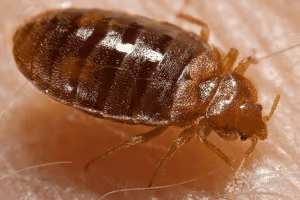
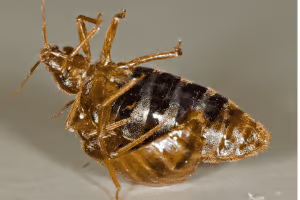
Bed bugs are small, flat, oval insects known scientifically as Cimex lectularius. In Southern Maine they have become more common in recent years due to increased travel and second-hand furniture. Adults are reddish-brown, about one-quarter inch long, and wingless. They hide during the day in tight cracks and seams then come out at night to feed on blood.
Bed bugs do not fly or jump but crawl quickly and can hide in mattresses, box springs, bed frames, furniture, and even behind wallpaper or electrical outlets. They are one of the more difficult pests to eliminate without professional help. Browse the bed bug pest library for a full overview of bed bug species found in southern Maine.
For detailed species information see the University of Maine Cooperative Extension fact sheet on bed bugs.
Signs of Infestation
Look for these clear indicators:
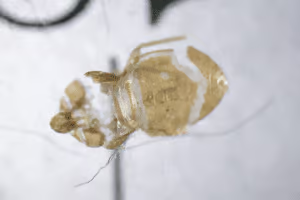
- Small reddish-brown or black spots on sheets, mattress seams, or box springs from fecal matter
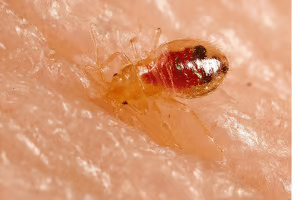
- Shed skins or tiny white eggs in cracks and crevices near the bed
- A sweet, musty odor in heavily infested rooms
- Itchy, red bite marks on skin, often in lines or clusters, especially on arms, shoulders, or legs
- Live bugs or blood smears on pillowcases after feeding
In Southern Maine locations such as Biddeford or Saco these signs often appear first around beds or upholstered furniture after travel or acquiring used items.
Risks in Southern Maine
Bed bugs do not spread diseases in the United States but their bites can cause itchy welts, sleepless nights, and significant stress. Heavy infestations may lead to secondary skin infections from scratching. In our humid coastal climate they spread easily through apartments, hotels, and multi-family homes. Their presence often points to recent travel, visitors, or second-hand furniture.
My low-impact Integrated Pest Management approach follows best practices from the Penn State Extension guide on bed bug management and keeps your family and pets safe while solving the problem at the source. Bed bugs are sometimes confused with bat bugs, which look nearly identical but are linked to bat roosts rather than human sleeping areas.
Prevention Tips
Simple steps that work well in our climate:
- Inspect luggage, clothing, and used furniture carefully before bringing them indoors
- Use mattress and box spring encasements that fully zip closed
- Reduce clutter and keep beds away from walls and furniture
- Vacuum regularly and wash bedding in hot water weekly
- Seal cracks and crevices around baseboards, outlets, and windows
These habits prove especially useful in York and Cumberland County towns where travel, seasonal rentals, and older homes create extra risk.
Professional Treatment
When prevention falls short I provide targeted, humane control. I start with a thorough inspection to locate all harborages then apply a customized plan using steam treatment, whole-house heat treatments where effective, vacuuming, and low-toxicity products in precise locations. This method includes whole-house treatments when needed for complete eradication while avoiding unnecessary broad chemical spraying.
Treatments stay customized for each property. A single-family home in Saco gets different focus than a multi-unit building in Biddeford. As a solo operator with over 15 years of experience and certifications, learn more about my background on the About page. I guarantee results with follow-up visits included.
Contact me today for a free inspection and let me handle your bed bug issue the right way. Schedule easily on the Contact page. For a full overview of treatment options, visit my bed bug control services page.
Frequently Asked Questions
Bed bugs leave dark fecal spots, shed skins, and bite marks in lines or clusters near sleeping areas. They are flat, oval, and reddish-brown. Other pests like fleas jump and carpet beetles do not hide in mattress seams. I can confirm the exact pest during a free visit.
No. Unlike mosquitoes or ticks, bed bugs in the United States do not spread any known diseases. Their main issues are itchy bites, sleep disruption, and emotional stress.
Most jobs see major improvement within 2 to 4 weeks and full resolution in 30 days or longer depending on infestation size, property type, preparation level, and whether residents have used any over-the-counter repellent products beforehand. I stay until it is solved with follow-up visits included.
Related Resources
- Detailed local facts from University of Maine Cooperative Extension: Bed Bugs Fact Sheet
- Official guidance from Maine Department of Agriculture, Conservation and Forestry: Bed Bugs
Why Choose Precision Pest Control?
Your local solo specialist, I offer customized, low-impact pest control fitted to Southern Maine challenges for homes and businesses. Protect your property today. Reach out for your free inspection.