

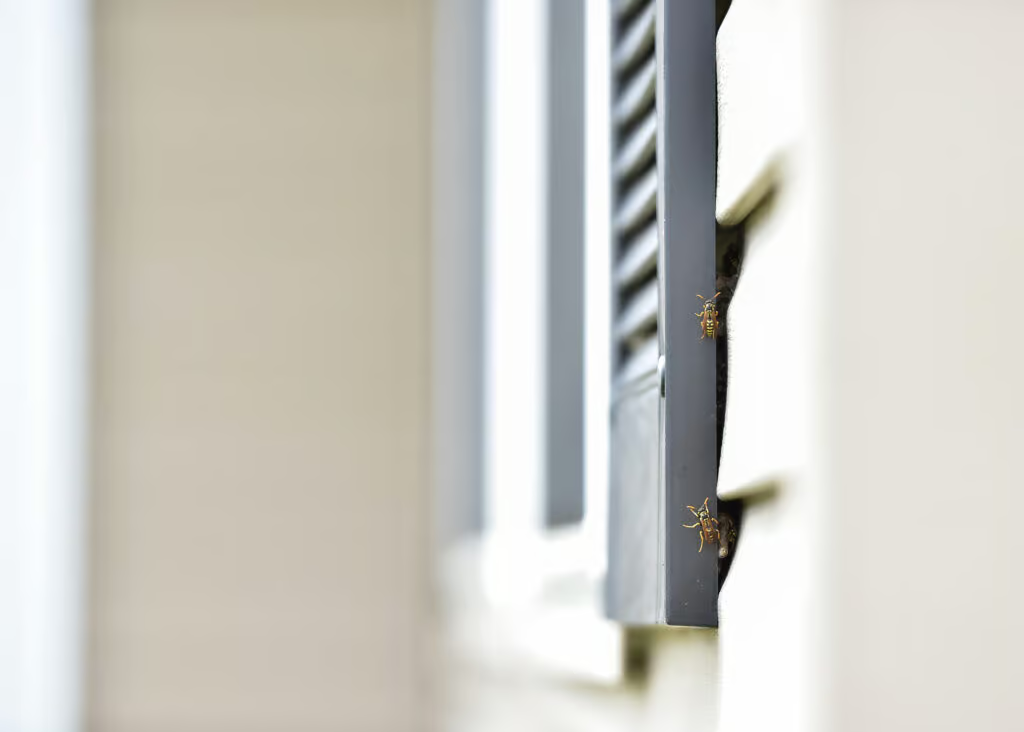
If you’ve noticed a wasp or two crawling along a sunny windowsill or exploring your eaves on a warm afternoon lately, you’re not imagining things. Paper wasps are waking up across Southern Maine, and this time of year their behavior can look a lot more alarming than it actually is.
Here’s what’s happening and what you should know.
Why You’re Seeing Wasps Indoors This Early
Every fall, fertilized female paper wasps called queens seek out sheltered spots to survive the winter. Attic spaces, wall voids, behind vinyl siding, under porch boards and similar tight, protected areas are all common overwintering sites. A single structure can harbor several queens at once without the occupants ever knowing.
As temperatures climb in late winter and early spring, those queens begin to stir. They’re not building nests yet. They’re simply warming up, exploring, and searching for a way back outside. If they overwintered inside your walls or attic, that search often leads them into your living space first.
Seeing one or two wasps indoors during March or April is almost always this exact scenario, not a full infestation.
Should You Be Worried?
For most people the answer is no, with one important exception. If you or someone in your household has a known allergy to stinging insects, any wasp activity indoors warrants a call to a professional. Anaphylactic reactions to wasp stings are serious and can develop quickly.
For everyone else, a single overwintering queen is generally not a threat unless she feels directly cornered or handled. Leave her alone and she’ll find her way out as soon as temperatures allow.
What Happens Next
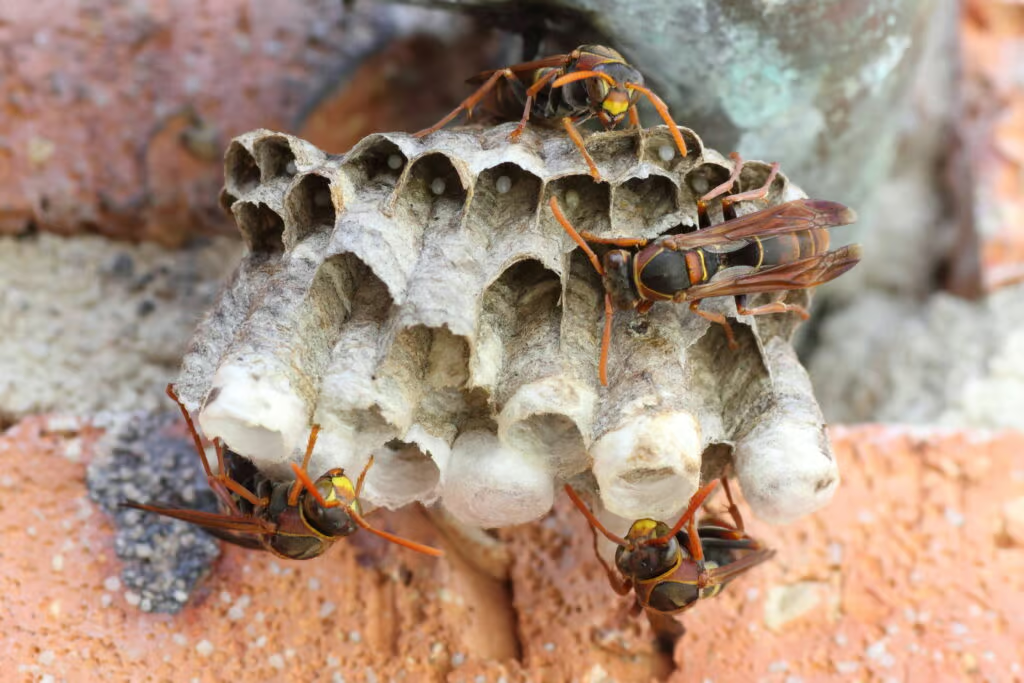
Here’s the part most people don’t know. The vast majority of overwintering queens that emerge in spring will leave your home on their own within a few weeks. They’re not looking to nest where they overwintered. Their instinct is to find an exposed outdoor location, build a small nest, and start a colony from scratch. Your eaves, a shrub, a fence post or a porch ceiling are all more appealing to them than the inside of your wall.
Give them four to six weeks and most of them will simply move on.
Why Prevention Is Difficult With Vinyl Siding
Sealing entry points in the fall is the most reliable long term solution for reducing overwintering wasps. Cracks around window frames, gaps in soffits, and openings around utility penetrations are all common entry points that can be caulked or screened.
The challenge with vinyl siding is that it creates countless small gaps and channels along its edges and laps that are nearly impossible to seal completely without a full re-side. If your home has vinyl siding, complete exclusion simply isn’t realistic. You can reduce entry points significantly but rarely eliminate them entirely.
When a Professional Treatment Makes Sense
If you’re seeing consistent indoor wasp activity, if you’re finding wasps in the same area every spring, or if someone in the home has an allergy, a targeted treatment can meaningfully reduce the number of queens successfully overwintering. Treatments applied to likely harborage areas in late summer or early fall, before queens seek shelter, are the most effective timing.
I also handle active paper wasp nests that develop later in the season near doorways, play areas, or other high traffic spots where the risk of a sting is real.
The Bottom Line
A wasp on your windowsill in March is almost certainly a queen looking for the exit, not the start of a serious problem. Watch, wait, and give her a few weeks. If the activity is heavy, recurring, or you have allergy concerns, that’s when it’s worth picking up the phone.
Ready to get ahead of stinging insect season this year? Contact Precision Pest Control for a free consultation on stinging insect control in Southern Maine.