

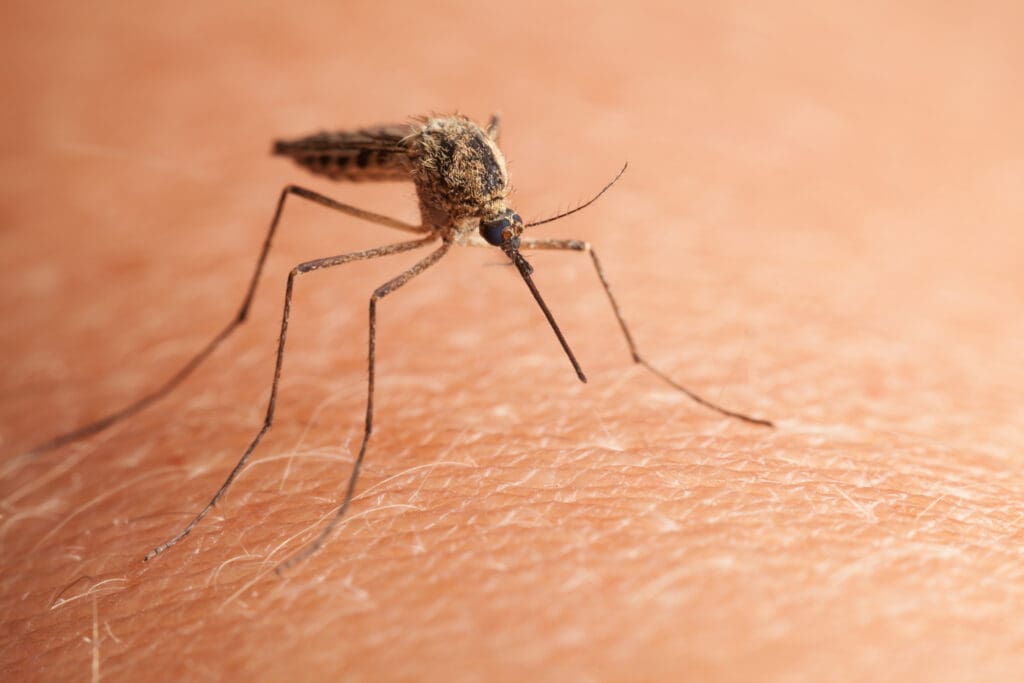
As an Associate Certified Entomologist with over 16 years of experience serving Cumberland and York Counties, I start fielding mosquito calls earlier than most people expect. In towns like Portland, Scarborough, Saco, Biddeford, Standish, Windham, Westbrook, Sanford, and Old Orchard Beach, mosquito season often begins quietly in late April and ramps up fast through May and June. Getting ahead of it makes a real difference.
When Mosquito Season Starts in Southern Maine
Most residents think of mosquitoes as a summer problem, but activity in southern Maine typically begins as soon as daytime temperatures consistently reach the mid-50s Fahrenheit. That can happen in late April or early May depending on the year. The first species to emerge are floodwater mosquitoes, which breed in low-lying areas and vernal pools that fill with snowmelt and spring rain. These early-season mosquitoes can be aggressive biters even before the weather feels truly warm.
By late May and into June, populations build quickly. Warm nights, standing water, and increasing humidity create ideal breeding conditions across Cumberland and York Counties.
The Species You Are Likely to Encounter
Maine is home to roughly 40 mosquito species. In southern Maine yards, the most common nuisance species include:
- Aedes canadensis and related floodwater species: Early-season biters that breed in woodland pools and wet areas after snowmelt. Very aggressive.
- Culex pipiens (northern house mosquito): Active mid-to-late summer, breeds in stagnant water including clogged gutters, bird baths, and catch basins. Primary vector of West Nile virus in Maine.
- Aedes vexans: One of the most common and widespread nuisance species. Breeds in temporary pools, ditches, and low areas after rain events. Bites aggressively at dusk.
For a closer look at mosquito identification and biology, visit the mosquito identification page in the Precision Pest Maine library.
Health Risks from Mosquitoes in Maine
Mosquitoes in Maine are not just a nuisance. Two diseases are worth knowing about:
West Nile Virus is transmitted primarily by Culex mosquitoes and has been detected in Maine. Most people who contract it have no symptoms, but serious illness is possible in older adults and people with compromised immune systems.
Eastern Equine Encephalitis (EEE) is rare but severe. Maine has documented EEE activity, and while human cases are uncommon, the virus circulates in birds and is transmitted by Culiseta melanura and bridge vector species in wooded wetland areas. It is a concern in parts of southern Maine with significant woodland and wetland habitat. The mix of ponds, bogs, and wooded wetland around Windham and the Sebago region is exactly that kind of habitat.
What Attracts Mosquitoes to Your Property
Mosquitoes need standing water to breed. Even a small amount, about a bottle cap’s worth, is enough for some species to lay eggs. Common sources around southern Maine homes include:
- Clogged or slow-draining gutters
- Bird baths with water that sits more than a week
- Low spots in the lawn that hold water after rain
- Tarps, kids’ toys, or containers left outside
- Decorative ponds without circulation or fish
- Dense vegetation and leaf litter that holds moisture
Eliminating or managing these sources is the single most effective thing a homeowner can do before the season begins.
Prevention Steps to Take Now
With mosquito season approaching, April is the right time to take a walk around your property and address the following:
Clean gutters. Clogged gutters are one of the most overlooked breeding sites. Clear them out before spring rains arrive.
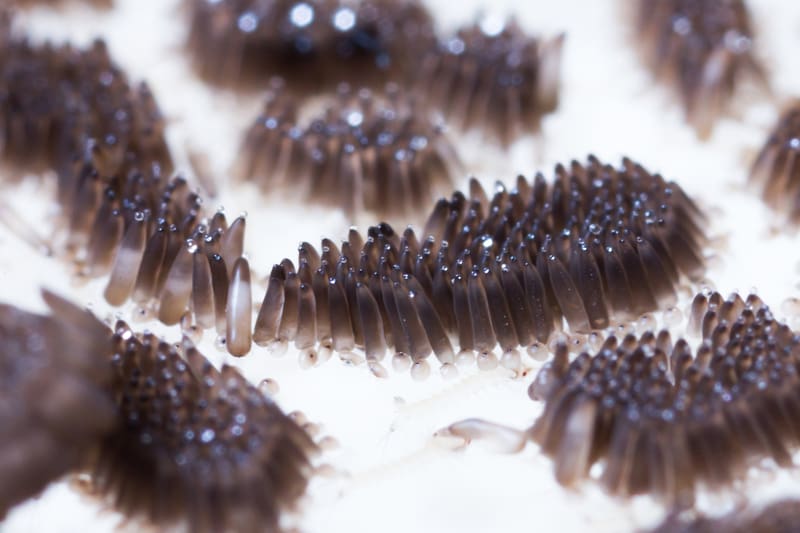
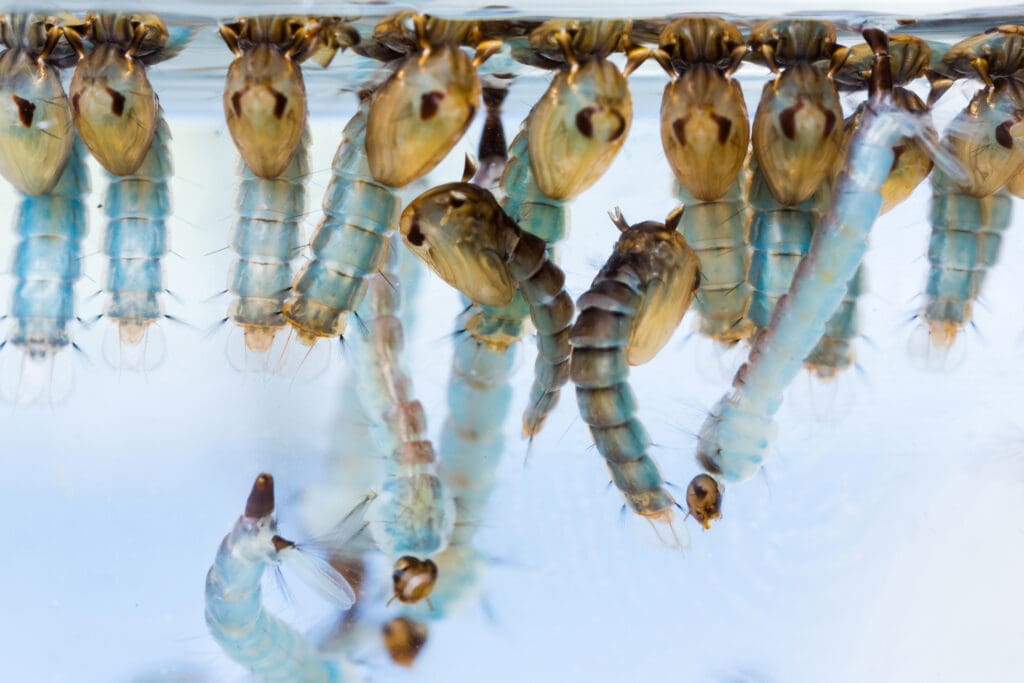
Dump and refresh standing water weekly. Any container that holds water should be emptied and refilled at least once a week to interrupt the mosquito life cycle, which takes roughly 7 to 10 days from egg to adult.
Improve drainage in low spots. If certain areas of your yard consistently pool after rain, filling with topsoil or improving grading can significantly reduce habitat.
Trim back dense vegetation. Adult mosquitoes rest in shaded, humid areas during the day. Keeping grass cut and shrubs trimmed reduces resting habitat near the house.
Use larvicide in water you cannot drain. For decorative ponds or catch basins that cannot be emptied, Bacillus thuringiensis israelensis (Bti) dunks are a biological larvicide that kills mosquito larvae without harming people, pets, or beneficial insects.
Professional Mosquito Control in Southern Maine
For yards where source reduction alone is not enough, professional barrier spray treatments can significantly reduce adult mosquito populations through the season. I treat the perimeter vegetation, resting sites, and other harboring areas on your property using low-impact products that are effective against mosquitoes but gentler on the surrounding environment.
Treatments are typically applied every 3 to 4 weeks through the active season. The goal is to give you a yard you can actually use. If you host outdoor events, have young children, or simply want to enjoy your property without being driven inside, barrier treatments are worth considering.
To learn more or schedule a consultation, visit the mosquito and tick control service page or contact Precision Pest Control directly.
Frequently Asked Questions
When does mosquito season end in southern Maine? Activity typically drops off significantly after the first hard frost, usually in late September to mid-October in Cumberland and York Counties.
Do mosquito traps work? Consumer-grade CO2 traps can reduce local populations modestly but are not a replacement for source reduction or professional barrier treatment. They work best as a supplement.
Are mosquito barrier sprays safe for pets and children? Products used by licensed applicators are applied at label rates and dry quickly. Treated areas are generally safe for re-entry within 30 to 60 minutes depending on the product. I always follow label directions and discuss any specific concerns with customers before treatment.
Can I treat my own yard? DIY products are available, but efficacy varies. Proper coverage of resting sites, timing, and product selection make a significant difference. If you have tried DIY treatments without satisfying results, professional treatment is worth comparing.