

Fleas and Ticks in Southern Maine:
Identification & Prevention
As a solo pest control operator serving York, Cumberland, and parts of Oxford counties, I focus on humane integrated pest management to handle fleas and ticks. These parasites hitch rides on pets or wildlife, posing risks through bites and disease. I help identify and manage them safely. Learn about common types below, or contact me for expert help.
Quick Fact: In southern Maine, fleas and ticks thrive in wooded areas and on hosts, with deer ticks commonly transmitting Lyme disease to humans and pets.
Common Ants in Southern Maine
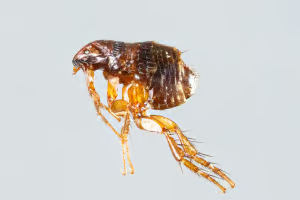
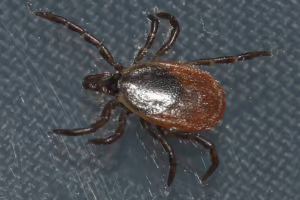
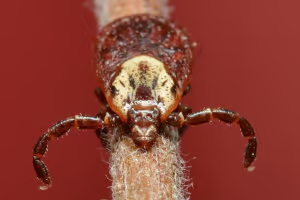
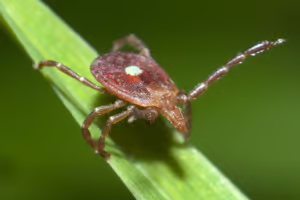
Why Do Fleas and Ticks Invade Homes in Southern Maine?
Fleas and ticks enter southern Maine homes attached to pets, wildlife, or clothing after outdoor activities. Fleas seek warm, humid spots indoors to lay eggs, while ticks quest on vegetation waiting for hosts. Infestations often start in yards with tall grass or leaf litter near wooded areas. In regions like York and Cumberland counties, proximity to forests increases encounters. If wildlife hosts are involved, see my wildlife page for related insights.
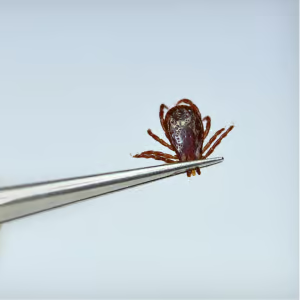
Identification Tips for Fleas and Ticks in Southern Maine
Fleas and ticks are small ectoparasites but differ in movement and shape. Fleas are wingless, reddish-brown, and jump far, while ticks are arachnids with eight legs that crawl slowly.
- Fleas measure 1-3 mm, flattened sideways for navigating fur.
- Ticks vary from poppy seed size (nymphs) to grape-like when engorged.
- Look for white spots on lone star ticks or scutum patterns on others.
Behavior & Habits of Fleas and Ticks in Southern Maine
These pests rely on blood meals from mammals or birds. Fleas jump onto hosts, feed quickly, and drop off to lay hundreds of eggs in carpets or bedding. Ticks climb grass or shrubs, attach firmly for days, and drop after feeding. In southern Maine, activity peaks in spring and fall, with some species active year-round indoors. For habits similar to other occasional pests, check my occasional invaders section.
Risks & Threats from Fleas and Ticks in Southern Maine
Fleas and ticks can cause significant health issues beyond discomfort.
- Itchy bites leading to skin infections or allergic dermatitis.
- Transmission of diseases like Lyme, Rocky Mountain spotted fever, or babesiosis.
- Fleas spreading tapeworms to pets.
- Anemia in severe flea infestations, especially in young animals.
- Potential for alpha-gal syndrome from lone star tick bites.
For more on controlling fleas and ticks on pets, visit the EPA’s page on controlling fleas and ticks on your pet.
Prevention Tips for Fleas and Ticks in Southern Maine
Keep fleas and ticks out with proactive steps.
- Apply vet-recommended preventives to pets monthly.
- Keep lawns mowed short and remove brush or leaf piles.
- Check yourself, family, and pets for ticks after time outdoors.
- Vacuum floors and furniture regularly, disposing of bags outside.
- Wash pet bedding in hot water weekly.
Learn more about ticks in Maine from the University of Maine Cooperative Extension’s tick lab.
Frequently Asked Questions
Fleas are jumping insects, and ticks are arachnids that feed on blood. Common in southern Maine, they affect pets and humans.
Yes, they can transmit diseases like Lyme from deer ticks or cause allergies. I assess risks during visits.
They hitch rides on pets, wildlife, or clothing from outdoors. Fleas lay eggs indoors, leading to infestations.
Basic habits like pet treatments and yard maintenance help, but professional IPM ensures complete control.
Remove ticks promptly with tweezers, clean bites, and monitor for symptoms. For fleas, vacuum thoroughly. Contact me for effective solutions.
As a solo operator, I provide personalized, humane IPM in York and Cumberland counties. Call me for help.
Why Choose Precision Pest Control?
I offer reliable, humane pest management as a solo operator in southern Maine. No teams, just direct service from me. Contact me today.