

Stinging Insect Control in Southern Maine
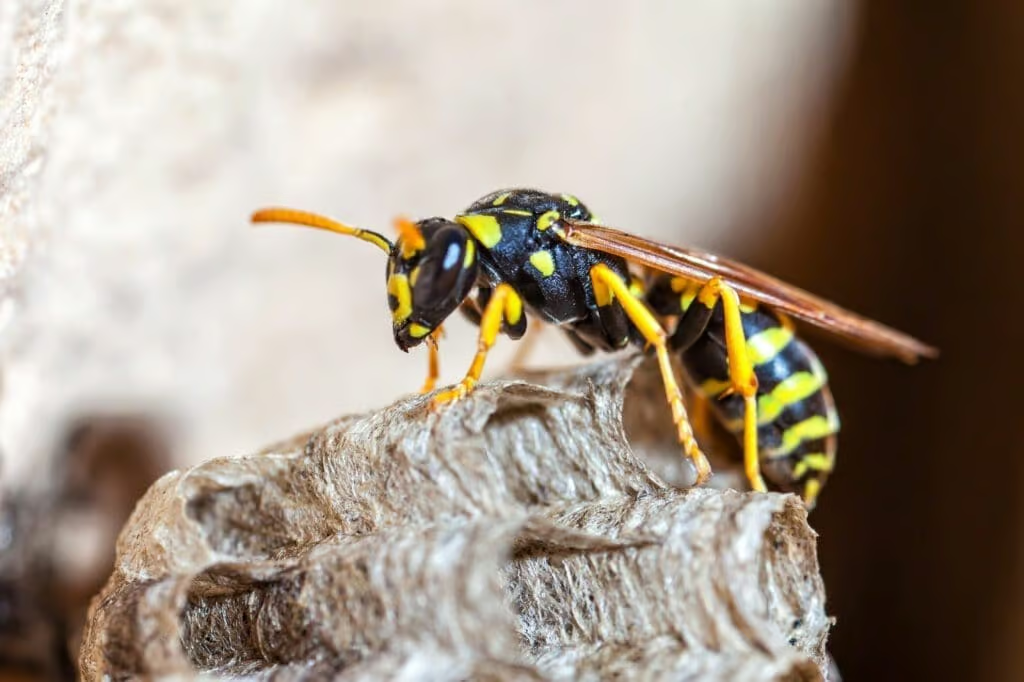
Controlling Stinging Insects in Maine
Need stinging insect control in Southern Maine? If wasps, hornets, or yellow jackets are building nests near your Cumberland or York County home or business, you’re not alone. I provide effective removal and prevention tailored to Southern Maine’s wooded and coastal areas. I handle aggressive species like bald-faced hornets in trees and paper wasps under eaves with low-impact methods to minimize risks to your family, pets, and property. If you’re ready for relief from stinging insects in your Sebago home or Windham business, contact me today for a free inspection.
Common Stinging Insects I Handle in Southern Maine
Southern Maine’s warm summers, humid conditions, and wooded landscapes attract various stinging insects that can become aggressive near homes. Yellow jackets form large colonies in ground nests, while bald-faced hornets build aerial paper nests. These pests defend their colonies vigorously and can sting multiple times, posing risks during outdoor activities. I use integrated pest management techniques to identify, eliminate, and prevent infestations with minimal environmental impact. Below are the most common stinging insects I treat regularly in Limerick and Westbrook.
- Yellow Jackets: Social stinging insects that can form colonies of thousands, peaking in late summer, often posing risks during outdoor gatherings.
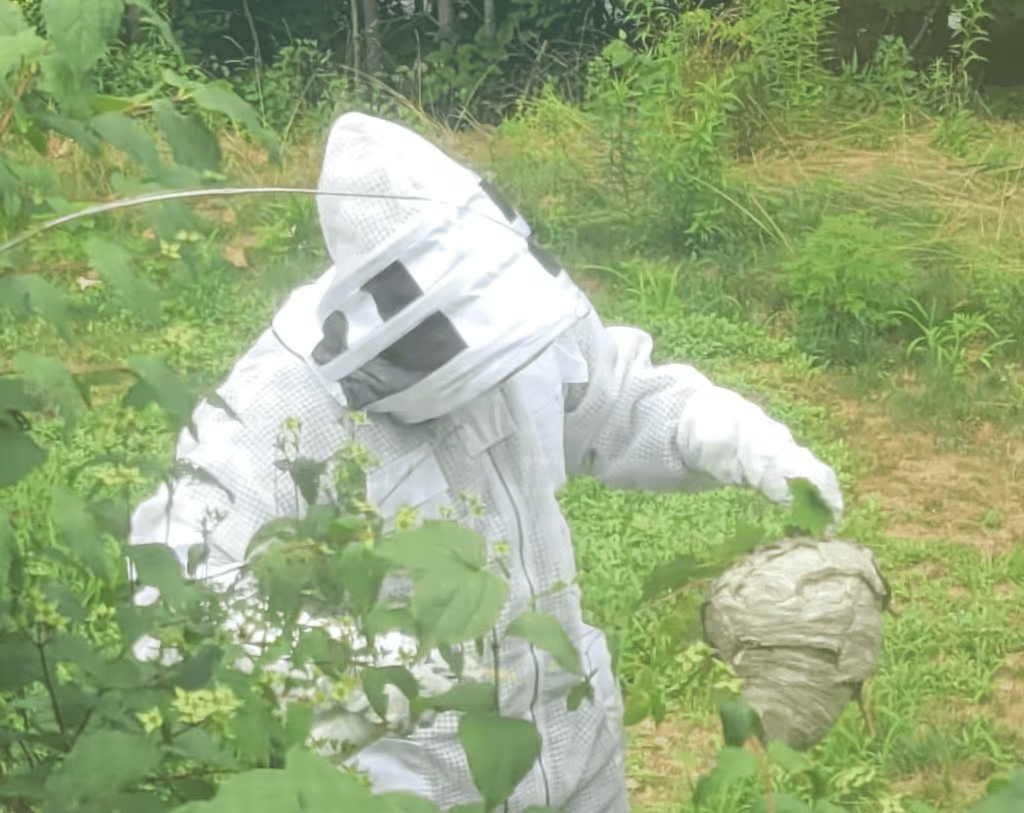
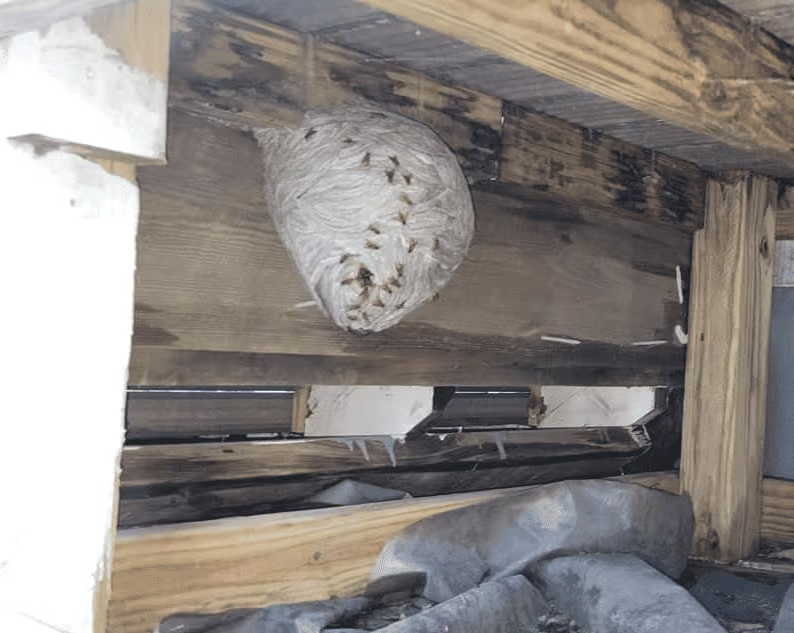
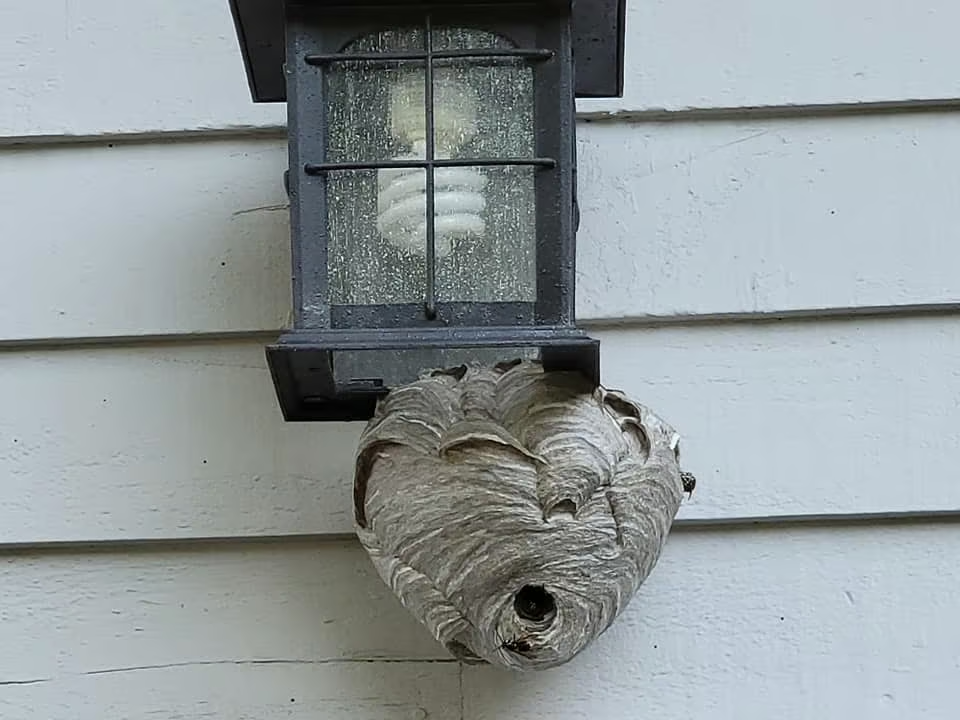
- Bald-Faced Hornets: Larger stinging insects (up to 1 inch) with bright yellow-black patterns, building aerial paper ball nests, aggressive near colonies.
- Paper Wasps: Slender-bodied stinging insects (about 1/2 inch) with wings and segmented antennae, often building umbrella-shaped nests, hunting caterpillars.
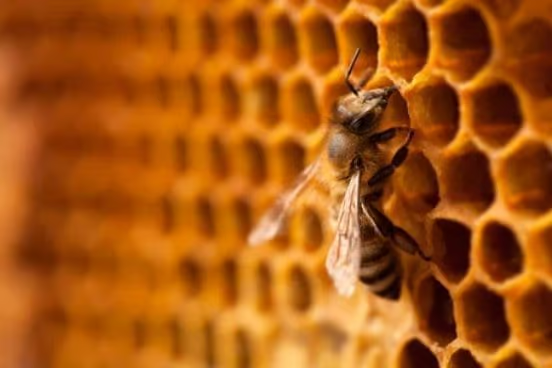
- Carpenter Bees: Bees that drill into wood for nests, causing cosmetic damage like holes and stains, with potential minor weakening over time.
- Solitary Wasps and Bees: Non-social stinging insects that build individual nests, foraging for nectar or wood, less aggressive than social species.
Not seeing your stinging insect issue? Contact me. Most common species are covered, and I’ll create a personalized plan. For more identification help, check the University of Maine Extension guide on hornets, wasps, and yellowjackets.
Risks of Stinging Insects
Stinging insects pose dangers beyond painful stings, especially in Southern Maine where nests can grow large in hidden spots. Disturbed colonies may swarm and attack, leading to multiple stings that cause swelling, itching, or allergic reactions like anaphylaxis in sensitive individuals. Nests in walls or attics can damage structures, and secondary infections from stings add health concerns. For families with children or pets, these risks increase during summer barbecues or yard work.
- Painful, multiple stings from defensive nests like those of yellow jackets or bald-faced hornets.
- Allergic reactions, including severe anaphylaxis for some people.
- Property damage from nests in eaves, walls, or wood bored by carpenter bees.
- Health risks from infections or stress, particularly in vulnerable groups.
My Stinging Insect Control Process
When you call, I start with a thorough inspection to locate the nest, assess its size, and identify the species. I use targeted removal methods to eliminate the colony with minimal disturbance, often at dusk when insects are less active. I remove the nest when safe and accessible, then seal entry points to prevent future nesting. Follow-up checks ensure complete resolution, and I prioritize low-impact treatments for safety. Using integrated pest management, I combine inspection, prevention, and targeted treatment to address the root cause. You’ll enjoy long-term protection with options like my year-round pest protection plan.
What You Can Expect:
- Detailed inspection and species identification.
- Low-disturbance removal techniques to eliminate the colony.
- Nest destruction or removal when feasible.
- Entry point sealing to prevent re-nesting.
- Follow-up checks for complete resolution.
Prevention Tips for Southern Maine Properties
Preventing future nests is often easier than dealing with an active colony, especially in Maine’s seasonal climate where spring warmth triggers building activity. Sealing gaps in eaves, siding, and vents early in the season blocks access for paper wasps or yellow jackets. Removing food sources like garbage or pet food deters attraction, while trimming overgrown vegetation reduces nesting sites for bald-faced hornets. Treating wood surfaces discourages carpenter bees from boring holes, and monitoring ground areas helps spot solitary wasp nests early. Simple steps like these make a big difference in humid summers and wooded areas, reducing risks of stings and infestations. I’ll share personalized prevention tips during your free inspection.
Practical Prevention Tips:
- Seal gaps in eaves, siding, vents, and screens early in spring to block entry for paper wasps and yellow jackets.
- Remove attractive food sources like open garbage, pet food, or fallen fruit to deter yellow jackets from foraging.
- Trim overgrown vegetation, shrubs, and tree branches away from the house to eliminate high nesting spots for bald-faced hornets.
- Treat or paint exposed wood surfaces to discourage carpenter bees from drilling nests.
- Monitor ground holes and debris for solitary wasps and bees, and use traps if early activity is noticed.
I’m happy to walk you through personalized prevention tips during your free inspection.
Don’t risk painful stings or dangerous reactions from wasps, hornets, or yellow jackets. Contact Precision Pest Control today for safe, humane, and effective stinging insect control in Southern Maine.