

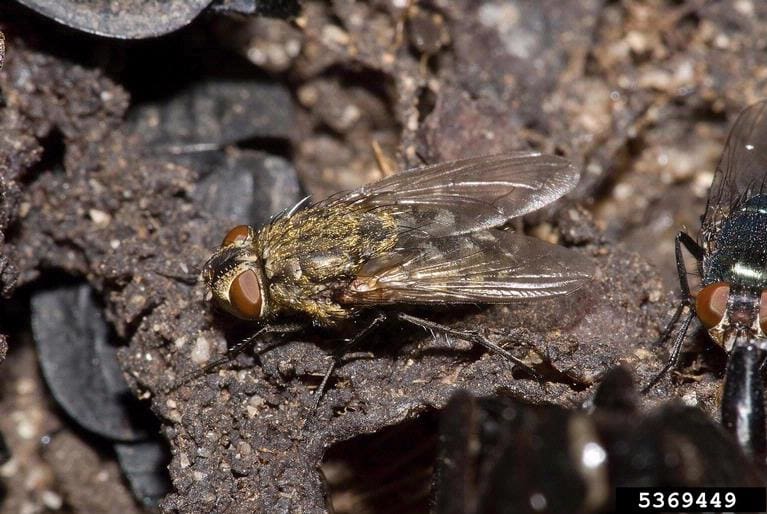
As an Associate Certified Entomologist with over 15 years of experience in Cumberland and York Counties, I understand the pest pressures that come with the transition from winter to spring in southern Maine. In towns such as Portland, Sanford, Biddeford, Saco, Scarborough, Westbrook, Gorham, Kennebunk, and Old Orchard Beach, cluster flies often become noticeable in late February as temperatures begin to fluctuate. These flies overwinter in homes and emerge indoors when warmth returns, creating a nuisance without posing direct health risks. In this post, I will cover how to identify cluster flies, prevent their entry, and manage them if they appear. For professional help with cluster flies in southern Maine, contact me at Precision Pest Control.
Understanding Cluster Flies in Southern Maine
Cluster flies are a common overwintering pest in our region, seeking shelter in attics, wall voids, and other protected areas during cold months. Unlike house flies, they do not breed indoors or transmit diseases, but their sudden appearance in large numbers can be alarming. According to the University of Maine Cooperative Extension, cluster flies are larger than typical house flies, with a sluggish behavior and overlapping wings at rest. In southern Maine, they are most active in late winter and early spring, drawn to sunny sides of buildings.
I frequently encounter these flies in homes with older construction, where gaps allow entry in the fall. Early recognition helps minimize disruption.
Identifying Cluster Flies
To address cluster flies effectively, know what to look for. Key characteristics include:
- Size and appearance: About 8-10 mm long, dark gray with golden hairs on the thorax and checkered patterns on the abdomen.
- Behavior: They cluster in groups on windows, walls, or ceilings, especially on warmer days. They move slowly and do not buzz loudly.
- Location: Often found in upper levels of homes, such as attics or unused rooms facing south or west.
- Signs: Dead flies accumulating on windowsills or light fixtures in spring.
If you spot these traits, distinguish them from blow flies, which are metallic blue or green. For more identification tips, refer to the PennState Extension guide on Cluster flies.
[Image placeholder: Group of cluster flies on a window. Caption: Cluster flies gathering on windows in southern Maine homes during late winter, common in Portland and Sanford.]
Prevention: Sealing Your Home Against Cluster Flies
Preventing cluster flies starts in late summer or fall, but late winter inspections can catch overlooked entry points. Follow these steps for homes in Cumberland and York Counties:
- Seal cracks: Examine exterior walls, eaves, vents, and siding. Use caulk or weatherstripping to close gaps larger than 1/8 inch.
- Screen openings: Install fine mesh screens on attic vents, chimneys, and soffits to block access.
- Maintain landscaping: Trim trees and shrubs away from your house to reduce sheltered areas where flies congregate.
- Use light traps: Place sticky traps near windows in attics to capture emerging flies before they spread.
These methods align with recommendations from the Maine Department of Agriculture, Conservation and Forestry.
[Image placeholder: Home exterior with screened vents. Caption: Preventing cluster fly entry with screens in Biddeford and Saco, Maine.]
Control Options for Existing Infestations
If cluster flies have already entered, focus on non-chemical controls first. Vacuum them up daily to reduce numbers, and dispose of the bag outdoors.
- Trapping: Use indoor fly traps or tape near clusters. Avoid outdoor traps, as they attract more flies.
- Sanitation: Clean up dead flies promptly to prevent secondary pests like carpet beetles.
- Insecticides: As a last resort, apply residual sprays in attics, but only by a professional to ensure safety.
In my work across areas like Westbrook and Gorham, vacuuming combined with sealing resolves most issues. For safe cluster fly control in southern Maine, reach out at my Contact Us page.
[Image placeholder: Vacuum removing cluster flies. Caption: Controlling cluster flies with vacuuming in Kennebunk and Old Orchard Beach homes.]
When Professional Help is Needed
Handle small numbers yourself, but call me if flies persist or appear in hundreds. As the solo operator of Precision Pest Control, I provide targeted treatments for overwintering pests in your Cumberland or York County home. Indicators for professional assistance include recurring clusters or access to hard-to-reach areas like wall voids.
Connect this to my recent post on Late Winter Rodent Control in Southern Maine for more winter pest strategies.
Summary Table: Cluster Flies vs. Similar Pests
| Pest Type | Appearance | Behavior | Control Tips |
|---|---|---|---|
| Cluster Fly | Dark gray, golden hairs | Sluggish, clusters on windows | Seal gaps, vacuum |
| House Fly | Smaller, black | Active, breeds indoors | Sanitation, traps |
| Blow Fly | Metallic sheen | Fast, attracted to decay | Remove food sources |

Frequently Asked Questions (FAQs)
- Why do cluster flies appear in late winter in southern Maine homes? They overwinter in structures and emerge when temperatures rise, seeking light and warmth.
- Are cluster flies harmful in areas like Portland and Biddeford? No, they do not bite or spread diseases, but large numbers can be a nuisance.
- How can I prevent cluster flies in my Sanford garage? Seal all cracks and install screens on vents before fall; inspect in late winter.
- What if I find cluster flies in my Gorham attic? Vacuum them and seal entry points. Contact me for an inspection if they return.
- Do cluster flies breed indoors in Kennebunk or Old Orchard Beach? No, they lay eggs outdoors in soil; indoor presence is only for overwintering.
Managing cluster flies this late winter keeps your home comfortable as spring approaches. Implement these tips for a pest-free environment. For expert cluster fly control in southern Maine, reach out to me at Precision Pest Control. Head to my contact page to schedule service today.