

Yellow Jackets in Southern Maine:
Identification, Prevention, and Control
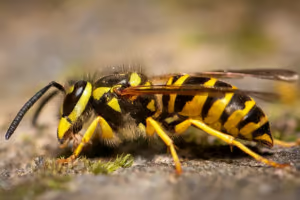
Yellow jackets rank among the most common stinging insects in Southern Maine, especially around Scarborough and Windham properties during late summer and fall. These social wasps construct paper nests in the ground, under eaves, or inside wall voids in our humid, wooded coastal climate. Beneficial as predators of garden pests, they quickly become a safety concern when colonies form near doors, patios, or play areas.
What Are Yellow Jackets?
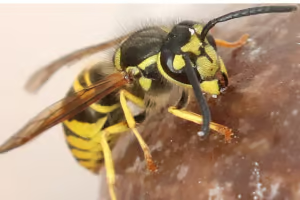
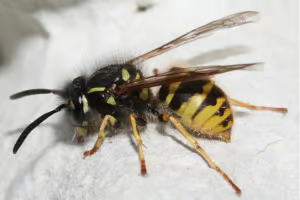
Yellow jackets are social wasps in the Vespidae family, measuring about half an inch long with bold black and yellow stripes and smoky colored wings. They tuck their legs close to the body while flying and fold wings lengthwise when at rest.
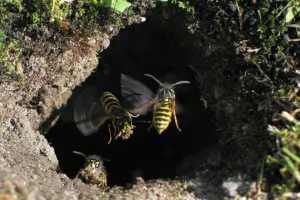
Colonies begin each spring with a single overwintered queen and expand rapidly to hundreds of workers by mid to late summer. Nests consist of gray paper envelopes made from chewed wood fibers, often hidden underground in old rodent holes or tucked into building voids. In Southern Maine these wasps thrive near lawns, gardens, and forest edges where they hunt caterpillars and other insects. For detailed local species identification and biology see the University of Maine Cooperative Extension Hornets, Wasps and Yellowjackets fact sheet.
Signs of Infestation
These signs typically appear first near ground level, eaves, or outdoor gathering spots.
- Steady stream of wasps flying in and out of a small hole in the lawn or soil
- Aggressive swarming around trash cans, picnics, or sweet drinks outdoors
- Gray paper nest hanging under eaves, decks, or porch ceilings
- Wasps scraping wood from fences or siding to build nest material
- Buzzing sounds coming from inside walls, soffits, or attic voids
- Sudden increase in wasp numbers around foundation cracks in late summer
- Multiple stings when walking near hidden ground nests or disturbed areas
- Nests remaining active from early summer until the first hard frost
In Scarborough and Windham homes these signs often spike from July through October when colonies reach peak size.
Risks in Southern Maine
Yellow jackets can sting repeatedly and pose a real safety risk in Southern Maine, especially for anyone with allergies. Stings cause intense pain, swelling, and in severe cases anaphylaxis that requires immediate medical care.
Our humid coastal and wooded climate supports large colonies that peak exactly when families spend more time outdoors, increasing encounters around Scarborough and Windham yards and patios. While they help control garden pests naturally, nests near high traffic areas create hazards with no structural damage but clear safety concerns. My low impact Integrated Pest Management approach follows best practices from the Maine DACF Got Pests Managing Yellow Jackets guide and focuses on safe, targeted solutions tailored to our local environment.
Prevention Tips
Simple habits reduce attraction and nesting sites in our climate.
- Keep all outdoor trash cans tightly sealed and clean them weekly
- Cover food and drinks completely when eating or drinking outside
- Pick up fallen fruit, pet food, and spills promptly
- Seal gaps around windows, doors, soffits, foundation vents, and pipes
- Remove wood piles, leaf debris, and rocks near the foundation
- Avoid wearing sweet perfumes or bright floral clothing outdoors
- Mow lawns regularly to spot and address ground nests early
- Install fine mesh screens over all exterior vents and openings
These steps work especially well on Scarborough and Windham properties where wooded edges and older homes provide ideal nesting spots right beside living areas.
Professional Treatment
When yellow jacket numbers or nests create problems I deliver precise low impact professional treatment customized to every Southern Maine home and business. As a solo operator with years of hands on local experience I begin every job with a detailed inspection to locate all active nests, entry points, and foraging trails.
I apply targeted treatments directly to nest entrances at night when wasps are least active, then remove the nest material once the colony is eliminated. I never use broadcast spraying. A single family home in Scarborough with a large backyard and garden receives focused ground nest treatment plus perimeter barriers while a business in Windham with outdoor seating areas gets rapid colony reduction and ongoing monitoring. I handle the entire process myself from start to finish with follow up visits included at no extra charge until the issue stays resolved. Learn more about my background and methods on the About page. Contact me today to schedule your free inspection on the Contact page.
Frequently Asked Questions
Yes if you disturb a nest. They can sting multiple times and their venom may trigger severe allergic reactions in sensitive individuals.
They seek sheltered spots in our humid, wooded environment and follow food sources like garbage, fallen fruit, and insects near houses.
No. Attempting removal without proper equipment and timing often provokes the entire colony and increases sting risk. Professional treatment is safer.
Related Resources
- Detailed local facts from University of Maine Cooperative Extension: Hornets, Wasps and Yellowjackets
- Official guidance from Maine DACF Got Pests: Managing Yellow Jackets
Why Choose Precision Pest Control?
Your local solo specialist, I offer customized, low-impact pest control fitted to Southern Maine challenges for homes and businesses. Protect your property today. Reach out for your free inspection.