

Anobiid Beetles in Southern Maine:
Identification, Prevention, and Control
Anobiid beetles, often called furniture beetles or woodworm, are the wood-destroying beetle I’m most concerned about from a structural standpoint in Southern Maine. While lyctid beetles tend to target hardwood floors and furniture, anobiid beetles go after softwood framing, floor joists, subfloors, and roof timbers, the structural elements of a home. I find their activity most frequently in older properties throughout Newfield, Parsonsfield, Waterboro, and Cornish, where historic homes with unfinished softwood framing and crawl spaces with inadequate ventilation create exactly the high-moisture conditions anobiid beetles prefer. An infestation that has been active in structural lumber for several years without detection warrants a careful professional assessment, not just of the beetles but of the wood itself. As an Associate Certified Entomologist (A.C.E.) with 16 years of experience in the region, that assessment is where I always start. Browse the wood-destroying pests library to compare species, or contact me for identification and treatment help.
What Are Anobiid Beetles?
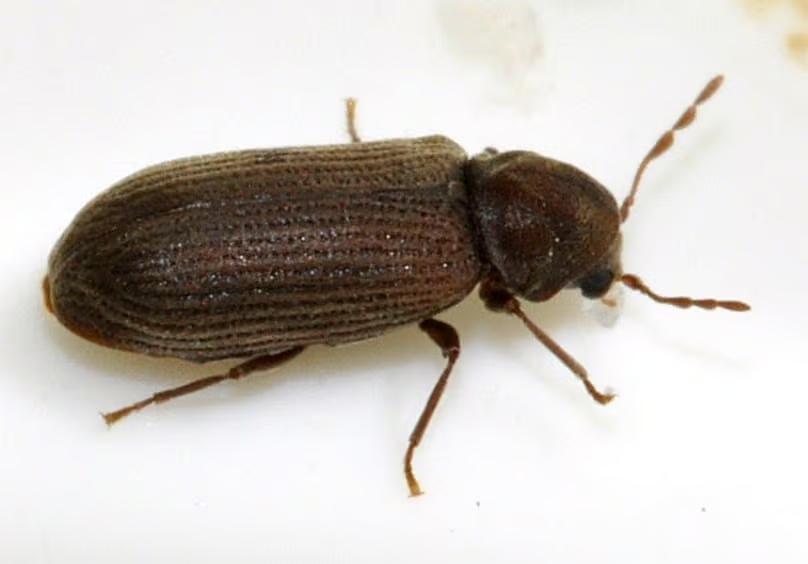
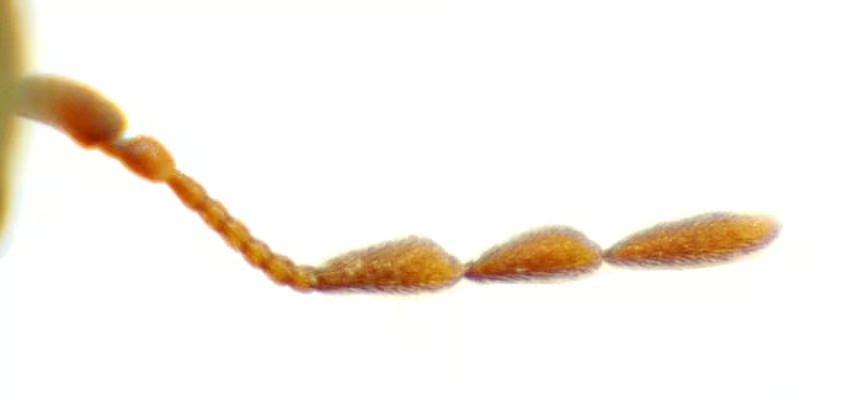
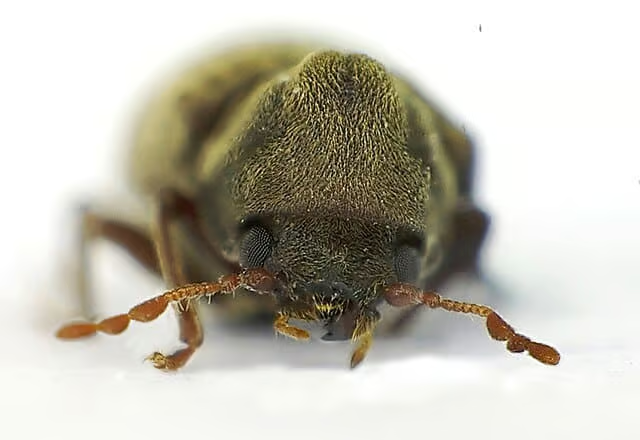
Anobiid beetles belong to the family Ptinidae (formerly Anobiidae) and are commonly known as furniture beetles or woodworm. The common furniture beetle (Anobium punctatum) is the species most frequently found in Southern Maine structures. Adults are small, 1/8 to 3/16 inch in length, with a reddish-brown to dark brown body and a distinctive hooded prothorax that partially conceals the head when viewed from above. Antennae are serrated rather than clubbed, which distinguishes them from lyctid beetles at close range.
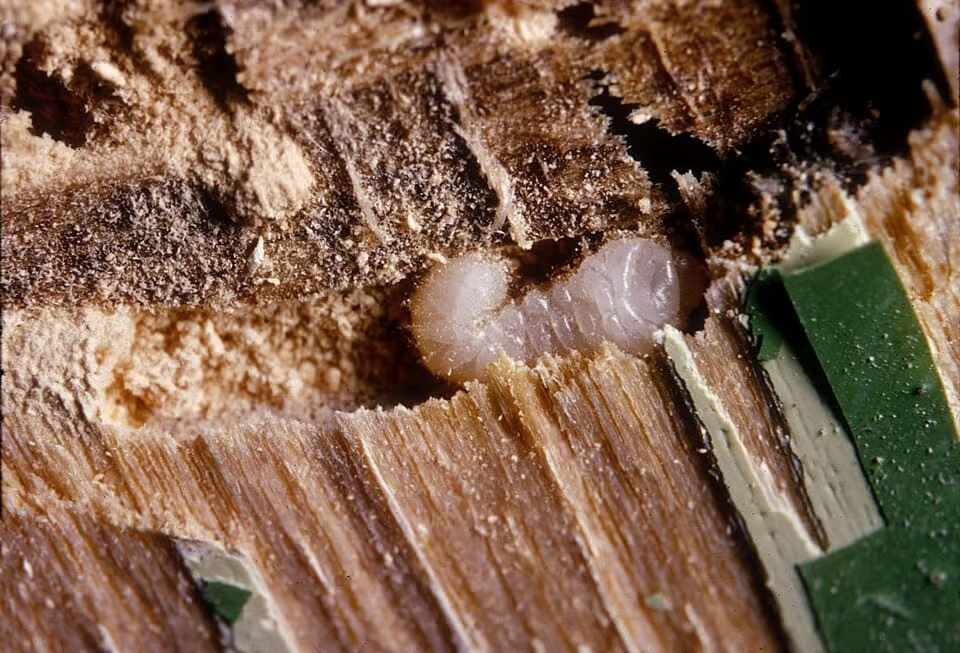
The larvae are the damaging stage, tunneling through the sapwood of softwoods including pine, spruce, and fir, as well as some hardwoods. They produce coarse, gritty frass with a distinctive bun or lemon-shaped pellet texture that is noticeably different from the fine talc-like powder left by lyctid beetles. The larval period is longer than most wood-boring beetles, typically two to five years, meaning a significant amount of damage can accumulate before adults emerge and make the infestation visible. Exit holes are round, approximately 1/16 to 1/8 inch in diameter, slightly larger than lyctid beetle holes. Adults emerge in late spring and early summer, mate, and lay eggs in wood cracks and pores to restart the cycle. Unlike lyctid beetles, anobiid beetles prefer wood with elevated moisture content, which is why crawl spaces, basement framing, and roof timbers in poorly ventilated older homes are their most common habitat in Maine. According to the Maine DACF Got Pests powderpost beetles page, anobiid beetles are among the most significant wood-destroying insects in older New England structures.
Signs of an Anobiid Beetle Infestation
Anobiid beetle activity is identified by the frass texture and exit hole size, both of which are distinctly different from lyctid beetle signs:
- Coarse, gritty frass that feels like fine sand or contains small bun-shaped pellets, accumulating below exit holes or in crawl space areas
- Round exit holes 1/16 to 1/8 inch in diameter in softwood framing, subfloor boards, joists, rafters, or antique furniture
- Fresh, light-colored frass appearing after tapping or disturbing infested wood
- Repeated frass accumulation in the same crawl space or basement areas year after year
- Adult beetles found on or near infested wood in May through July during emergence season
- Soft, spongy, or weakened areas in floor joists or subfloor boards when pressure is applied
- Small round holes with fresh bright edges indicating recent adult emergence
In Newfield and Parsonsfield homes with unfinished crawl spaces, anobiid activity often goes undetected for years because the affected framing is not regularly inspected.
Risks in Southern Maine
Anobiid beetles pose no health risk to people or pets. They do not bite, sting, or spread disease.
The structural risk, however, is more serious than what lyctid beetles present. While lyctid beetles attack finished hardwood surfaces with primarily cosmetic consequences, anobiid beetles target the softwood framing that holds a structure together. Floor joists, subfloor boards, sill plates, and roof rafters in older Maine homes can sustain meaningful structural compromise from long-term anobiid infestations, particularly in crawl spaces where moisture levels have been elevated for years. The damage is gradual and the wood does not fail suddenly, but a professional assessment of both the beetle activity and the structural condition of affected wood is warranted in any confirmed case. In commercial properties with older construction, this type of damage can affect insurance coverage and building inspection outcomes.
Anobiid activity is also closely tied to moisture conditions. Properties with crawl space moisture problems are simultaneously at risk for wood rot fungi, which can accelerate structural deterioration beyond what the beetles alone would cause. If you’re seeing anobiid activity, the crawl space moisture situation is worth evaluating at the same time through my common pests control service.
Prevention Tips
Anobiid beetle prevention is fundamentally about moisture control, since these beetles prefer wood with elevated moisture content:
- Control humidity in crawl spaces and basements with vapor barriers, improved ventilation, and dehumidifiers, targeting wood moisture content below 14 percent where possible
- Seal, paint, or otherwise finish all exposed softwood surfaces in basements and crawl spaces, as beetles cannot penetrate a well-maintained finish to lay eggs
- Repair any plumbing leaks, drainage issues, or moisture intrusion that is raising humidity in crawl spaces or basement framing
- Inspect crawl space framing and floor joists annually, particularly in older homes where original softwood framing may have been present for decades
- Store firewood outdoors away from the structure rather than in basements or attached garages
- Have a professional inspection of any older home before purchase, particularly if crawl space framing is unfinished softwood with limited ventilation
- Consider a year-round protection plan for properties with known moisture issues or a history of anobiid activity
Commonly Confused With
Anobiid beetles are most commonly confused with two other species:
Lyctid beetles are the most important distinction to make. Lyctid beetles attack only starch-rich hardwoods and produce extremely fine, talc-like powder frass. Anobiid beetles attack softwoods and produce coarser, gritty, pellet-like frass. If the damaged wood is hardwood flooring or furniture and the frass is silky powder, it’s likely lyctid beetles. If the damaged wood is softwood framing and the frass has a gritty, sandy texture, anobiid beetles are the more likely culprit. Both species require professional identification to confirm.
Bostrichid beetles are less commonly encountered in Maine but can produce similar exit holes in hardwood. Bostrichids are generally larger with a distinctive roughened thorax and are more often associated with imported tropical hardwoods than with domestic softwood framing.
Termites are worth distinguishing from anobiid beetles when structural wood damage is found in a crawl space or basement. Termite damage involves galleries containing soil or mud material and is accompanied by mud tubes along foundation walls. Anobiid beetle damage produces clean, dry galleries with gritty frass and no soil content. If there is any uncertainty, professional identification before any treatment decision is essential. Precision Pest Control does not treat termites, but I can confirm the identification and refer you to an appropriate specialist.
Professional Anobiid Beetle Control in Southern Maine
Anobiid beetle treatment starts with a thorough inspection of all affected structural wood to assess both the extent of the infestation and the condition of the wood itself. In crawl spaces with long-term activity, I assess whether the framing has been compromised structurally before recommending a treatment approach. Treatment typically involves targeted borate-based applications penetrating into the sapwood of affected framing, which remain effective against larvae over an extended period. Moisture reduction is always part of the plan, because treating the beetles without addressing the elevated wood moisture that supports them produces only temporary results. I’ve been handling anobiid beetle assessments and treatment across Cumberland and York Counties for 16 years, and my common pests control service covers wood-destroying beetles alongside the full range of structural pests. Learn more about my background on the about page, or contact me to schedule a free inspection.
Frequently Asked Questions
No. Anobiid beetles do not bite, sting, or spread disease. Their impact is entirely on wood. The frass they produce is not a health hazard in normal exposure circumstances, though people with respiratory sensitivities should minimize contact with disturbed frass during crawl space inspection or cleaning.
The frass is the most reliable distinguishing feature. Anobiid beetle frass is coarse, gritty, and contains small bun or lemon-shaped pellets that feel sandy when rubbed between fingers. Lyctid beetle frass is extremely fine, silky, and talc-like with no gritty texture. Exit holes are also slightly larger for anobiid beetles. The type of wood affected is another clue: anobiid beetles primarily attack softwoods like pine and spruce in framing and subfloors, while lyctid beetles attack hardwoods like oak and ash in floors and furniture.
Yes, given enough time. Unlike lyctid beetles, which attack finished hardwood surfaces with primarily cosmetic consequences, anobiid beetles target structural softwood framing. Floor joists, sill plates, and roof rafters infested over many seasons can sustain meaningful structural compromise, particularly in crawl spaces where moisture accelerates the process. This is why professional inspection of both the beetle activity and the structural condition of affected wood is important in any confirmed anobiid case.
Ready to Get Started?
If you’re finding gritty frass and small exit holes in your crawl space framing, subfloor, or softwood structural lumber, reach out for a free inspection and I’ll assess the infestation and the condition of the affected wood.