

Solitary Wasps & Bees in Southern Maine:
Identification, Prevention, and Control
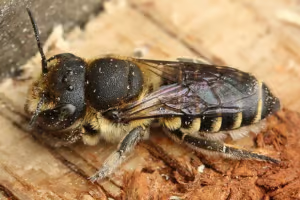
Solitary wasps and bees are common and highly beneficial insects throughout Southern Maine, especially around Waterboro and Shapleigh properties during spring and summer. Unlike social yellow jackets or hornets these insects live and nest alone, providing essential pollination and natural pest control in our humid coastal and wooded climate. Homeowners often notice them around flower beds, bare soil, or wooden structures but rarely need intervention because they pose minimal risk and deliver major garden benefits.
What Are Solitary Wasps & Bees?
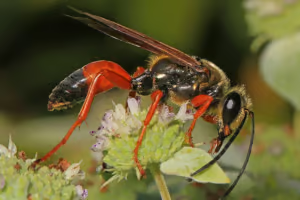
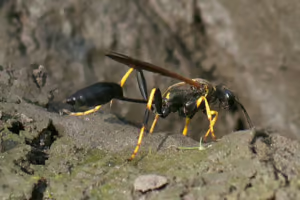
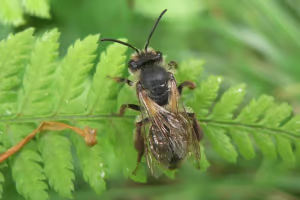
Solitary wasps and bees do not live in colonies or have queens and workers. Each female builds and provisions her own nest. Common examples in Southern Maine include mud daubers that construct tube nests from mud, mason bees that use existing holes in wood or stems, leafcutter bees that cut neat circles from leaves, and ground nesting digger bees.
Most solitary wasps hunt caterpillars, spiders, or other insects to feed their larvae while solitary bees collect pollen and nectar to provision their young. Adults are active from April through September in our region. They are important native pollinators and natural predators that help keep garden pest populations in check without any help from us. For detailed local identification and biology see the University of Maine Cooperative Extension bees hornets and wasps fact sheet.
Signs of Infestation
These observations are normal and usually indicate beneficial activity rather than a problem.
- Small perfectly round holes in bare soil or sandy areas with bees coming and going
- Mud tubes or pot shaped nests attached to eaves, siding, or porch ceilings
- Neat circular holes or notches cut from rose or lilac leaves
- Bees or wasps hovering near foundation cracks, deck rails, or wooden fences
- Small piles of loose soil or excavated dirt near ground level holes
- Solitary wasps carrying paralyzed insects or spiders back to their nests
- Bees entering and exiting small holes in untreated wood or plant stems
- Increased activity around flowering plants, herbs, and vegetable gardens in summer
In Waterboro and Shapleigh yards these signs appear most often from May through August when nesting season peaks.
Risks in Southern Maine
Solitary wasps and bees present almost no risk to people or pets in Southern Maine. Most cannot sting at all or will only do so if stepped on or handled. They carry no diseases and show no aggression toward humans.
In our humid coastal and wooded climate these insects actually provide huge benefits by pollinating flowers and controlling garden pests naturally. Their solitary nesting habits mean they never produce large colonies or swarms. My low impact Integrated Pest Management approach follows best practices from the Maine DACF Got Pests bees and wasps page and focuses on protecting these valuable beneficial insects while addressing any rare nuisance nesting locations safely.
Prevention Tips
These steps encourage beneficial solitary wasps and bees or gently redirect them.
- Leave bare soil patches or install bee hotels and nesting blocks in sunny garden areas
- Provide a variety of flowering plants that bloom from spring through fall
- Avoid disturbing ground nests or mud tubes when possible
- Seal only the specific holes or cracks where nesting is unwanted
- Use paint, stain, or sealers on exterior wood to reduce attractive nesting sites
- Keep garden areas free of excess mulch or debris near foundations
- Plant native flowers and herbs to support their natural foraging
- Install simple bee nesting tubes or drilled wood blocks away from high traffic zones
These practices work especially well on Waterboro and Shapleigh properties where gardens and wooded edges naturally support healthy populations of these helpful insects.
Professional Treatment
While I do not provide direct treatment or area wide control for solitary wasps and bees because they nest individually over large natural areas making reduction impractical, I begin every job with a detailed inspection to identify high activity zones and nesting influences on your land. I work directly with you on the most effective personalized prevention strategies and barrier methods tailored to your specific yard and location. Learn more about my background and methods on the About page. Contact me today to schedule your free inspection on the Contact page.
Frequently Asked Questions
No for most people. They are far less aggressive than social wasps like yellow jackets and almost never sting unless their nest is stepped on or the insect is handled. However, anyone with a known bee or wasp allergy should exercise extra caution around nesting areas, just as they would with any stinging insect.
They pollinate flowers and vegetables while hunting garden pests such as caterpillars and spiders, providing free natural pest control.
Usually no. These nests are small, temporary, and highly beneficial. Relocation or exclusion is only recommended when they are in high traffic areas.
Related Resources
- Detailed local facts from University of Maine Cooperative Extension: Bees, Hornets and Wasps
- Official guidance from Maine DACF Got Pests: Bees and Wasps
Why Choose Precision Pest Control?
Your local solo specialist, I offer customized, low-impact pest control fitted to Southern Maine challenges for homes and businesses. Protect your property today. Reach out for your free inspection.