

Mosquitoes in Southern Maine:
Identification, Prevention, and Control

Mosquitoes are a familiar summer challenge in Southern Maine homes particularly around Biddeford and Scarborough. Our humid coastal climate frequent rainfall wooded lots and low lying areas create abundant standing water that allows these biting insects to breed rapidly from late spring through early fall.
What Are Mosquitoes?
Mosquitoes belong to the family Culicidae with over 40 species present in Maine though only about half regularly bite humans. Adults are small slender flies with long legs and a proboscis used for piercing skin to feed on blood. Females require blood meals to develop eggs while males feed only on nectar.
In Southern Maine common species include floodwater mosquitoes that explode after heavy rains and woodland species active in shaded yards. Females lay eggs in any standing water from birdbaths to clogged gutters to low spots in lawns completing the life cycle from egg to adult in as little as seven to ten days during warm humid weather. Mosquitoes are the most medically significant biting insect in southern Maine. Browse the flies pest library to compare other fly species found in the area.
For detailed local identification species information and biology see the University of Maine Cooperative Extension Mosquito Management fact sheet.

Signs of Infestation
These clear indicators often appear first during evening hours in yards or near entry points.
- Persistent biting and itchy welts especially at dawn and dusk
- High pitched whining sound near ears when mosquitoes are active
- Small flying insects hovering around ankles legs or shaded areas
- Increased activity after rain or near standing water sources
- Mosquitoes resting on walls ceilings or window screens indoors
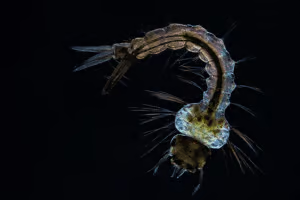
- Larvae or wrigglers visible in birdbaths gutters or low lying puddles
- Swarms near wooded edges marshes or poorly drained sections of the property
In Biddeford and Scarborough these signs commonly peak from June through September when humidity and rainfall create ideal breeding conditions.
Risks in Southern Maine
Mosquitoes do not cause structural damage but they transmit diseases including West Nile virus and Eastern equine encephalitis though local risk remains low compared to nuisance biting. Their bites cause significant discomfort allergic reactions in some people and can disrupt outdoor enjoyment for families and businesses.
In our humid coastal and wooded Southern Maine climate with frequent rain and natural low spots older homes and properties near wetlands or woods face ongoing pressure. While most species are simply annoying the constant presence reduces quality of life and outdoor time. My low impact Integrated Pest Management approach follows best practices from the Maine DACF Got Pests mosquitoes page and focuses on safe solutions tailored to our local environment keeping your family pets and beneficial insects protected. Mosquitoes are sometimes confused with black flies and no-see-ums, which also bite during warmer months, but mosquitoes are larger, produce a distinctive high-pitched whine, and are most active at dawn and dusk rather than during midday.
Prevention Tips
Consistent habits make the biggest difference in our climate.
- Eliminate all standing water weekly by emptying birdbaths wading pools and plant saucers
- Clean and unclog rain gutters downspouts and drainage areas regularly
- Fill or drain low spots tree holes and depressions in lawns and gardens
- Keep grass mowed short and trim dense shrubs away from the house
- Install or repair tight fitting screens on all windows and doors
- Use fans on porches and patios to disrupt mosquito flight
- Store buckets tarps wheelbarrows and other items upside down to prevent water collection
These steps prove especially effective in Biddeford and Scarborough homes where coastal humidity and wooded surroundings often create hidden breeding sites.
Professional Treatment
When home prevention alone is not enough I deliver precise low impact professional treatment for mosquitoes customized to every Southern Maine property.
As a solo operator with more than 15 years of hands on experience I begin every job with a detailed inspection to locate all breeding sources including hidden standing water in gutters low spots clogged drains and shaded micro habitats on your land.
Once identified I work directly with you to eliminate those sources first then apply only targeted safe controls exactly where needed such as bacterial larvicides like Bti in unavoidable water features or precise adult management tools that remain completely family pet and pollinator friendly with no broad yard fogging.
Every plan stays fully customized to the property a single family home in Biddeford with a wooded backyard receives different attention than a business in Scarborough near low lying areas. I handle the entire process myself from start to finish with follow up visits included until the issue is completely resolved. Learn more about my background and methods on the About page. Contact me today to schedule your free inspection on the Contact page. For dedicated mosquito and tick management across your entire property, take a look at my mosquito and tick control service.
Frequently Asked Questions
Mosquitoes have long thin bodies long legs and a distinctive proboscis. They produce a high pitched whine when flying and rest with bodies angled upward unlike most other small flies.
Local species can carry West Nile virus and Eastern equine encephalitis though transmission risk to humans remains very low. The main issue for most people is the nuisance and discomfort of bites.
Most clients notice significantly fewer mosquitoes within one to two weeks once breeding sites are addressed and targeted controls applied. Full season long reduction usually takes 30 days or longer depending on rainfall patterns and how consistently prevention steps stay followed. I include follow up visits at no extra charge until the problem is under control.

Related Resources
- Detailed local management from University of Maine Cooperative Extension: Mosquito Management Fact Sheet
- Official guidance from Maine DACF Got Pests: Mosquitoes
Why Choose Precision Pest Control?
Your local solo specialist, I offer customized, low-impact pest control fitted to Southern Maine challenges for homes and businesses. Protect your property today. Reach out for your free inspection.