

Mites in Southern Maine:
Identification, Prevention, and Control
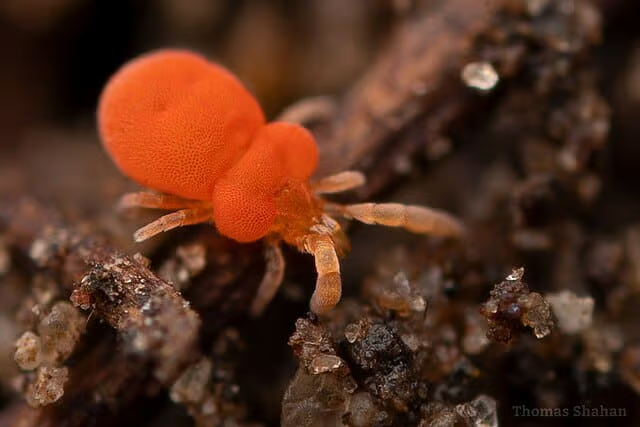
Mites are a common sight throughout Southern Maine, especially in the damp basements, crawl spaces, and gardens of older homes in Biddeford and Saco. These tiny arachnids — including clover mites, dust mites, bird mites, and chiggers — often appear suddenly on walls, windowsills, or bedding while seeking moisture, food, or shelter. If you see small red specks, notice itching bites, or find mites in dust, get your free inspection today.
What Are Mites?
Mites are tiny arachnids (related to spiders) that are usually less than 1 mm long. The four most common types people notice in Southern Maine homes are:
- Clover mites — bright red, oval, and swarm buildings in spring and fall.
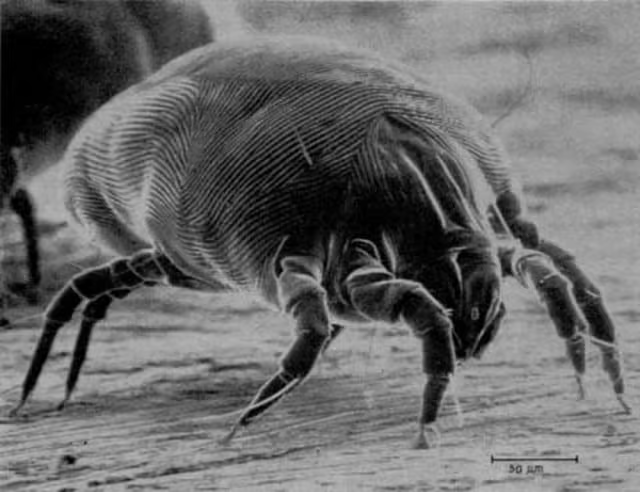
- Dust mites — microscopic, live in bedding and upholstery, and trigger allergies.
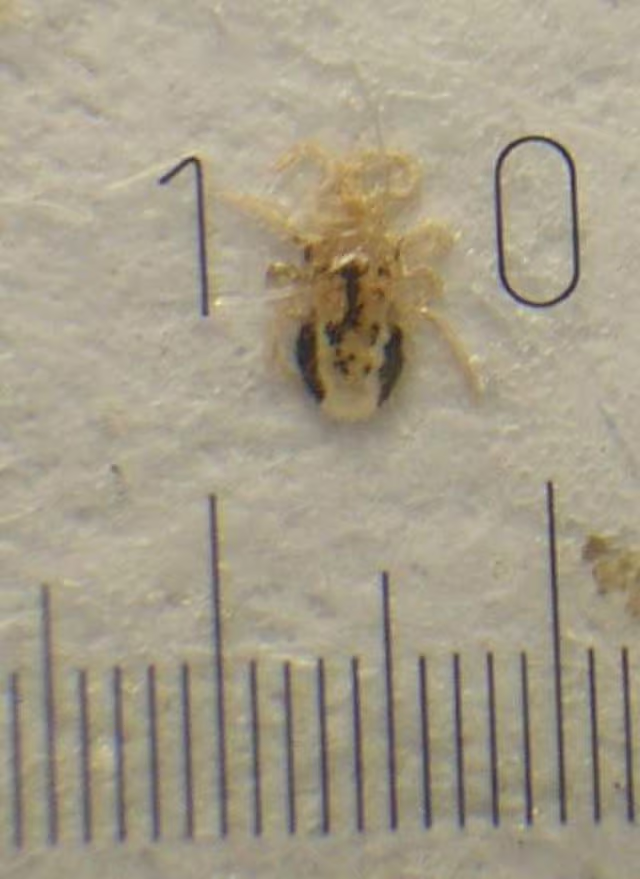
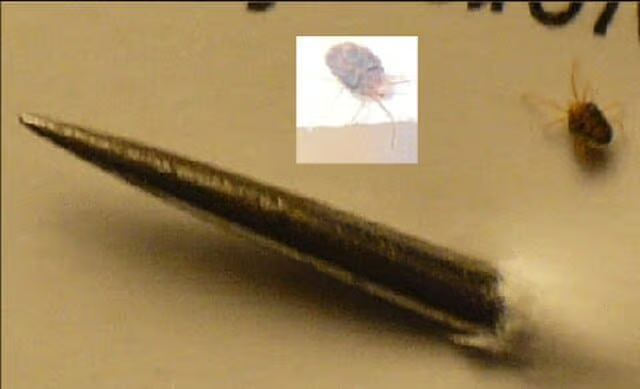
- Bird mites — grayish when unfed, often enter from bird nests in soffits or vents.
- Chiggers — bright red larvae that bite outdoors and cause intense itching.
They do not bite in a dangerous way (except chiggers and bird mites), do not transmit disease indoors, and do not cause structural damage. Most enter homes seeking moisture or shelter. In Southern Maine they are most noticeable in spring and fall. For detailed local identification see the Maine DACF Got Pests factsheet on mites.
Signs of Infestation
These clues usually appear first on foundation walls, windowsills, bedding, or in damp indoor areas.
- Tiny bright red specks moving on exterior walls or windowsills (clover mites)
- Itchy red welts or bites, especially around waistbands or ankles (chiggers or bird mites)
- Excessive sneezing, itchy eyes, or asthma symptoms indoors (dust mites)
- Small dark specks or stains on walls, curtains, or floors from crushed mites
- Mites clustering in corners, baseboards, or near bird nests in soffits
- Activity increasing after heavy rain or in very humid weather
- Tiny red or gray mites crawling on skin or clothing after being outdoors
- Dust-like particles in mattresses or upholstery that trigger allergies
In Lyman and Hollis homes these signs often increase dramatically in spring and fall.
Risks in Southern Maine
In our humid coastal climate mites thrive in damp areas and older homes. Clover mites leave red stains when crushed, bird mites and chiggers can cause intense itching and skin irritation, and dust mites trigger allergies and asthma in sensitive people. They cause no structural damage and rarely bite dangerously indoors.
My low-impact approach follows best practices from the Penn State Extension – Clover Mites and focuses on safe, targeted solutions for local conditions.
Prevention Tips
Simple moisture control and exclusion steps protect your home in Southern Maine.
- Seal cracks around windows, doors, foundations, and siding with caulk
- Reduce humidity with dehumidifiers in basements and crawl spaces
- Improve drainage and grading around the foundation
- Keep mulch and vegetation at least 12 inches away from the house
- Wash bedding weekly in hot water and use allergen-proof covers
- Remove bird nests from soffits, vents, and eaves promptly
- Vacuum regularly with a HEPA filter in bedrooms and living areas
- Inspect and seal gaps in soffits, vents, and crawl space access
These steps prove especially effective in Standish and Buxton homes with heavy landscaping and older foundations.
Professional Treatment
When prevention is not enough I provide targeted, low-impact control. I locate active entry points and harborage areas around foundations, in basements, and in bedding. Treatments are customized for each property. A single family home in Biddeford may need different focus than a business in Saco. I handle the entire process myself from start to finish.
Learn more about my background and methods on the About page. Contact me today to schedule your free inspection on the Contact page.
Frequently Asked Questions
They crawl through tiny cracks around foundations, windows, doors, and vents, especially after rain or when bird nests are nearby.
Most do not bite. Bird mites and chiggers can bite and cause itching; dust mites and clover mites do not breed indoors in large numbers.
Reducing moisture and sealing entry points usually causes them to leave, but professional help prevents recurring problems.
Related Resources
- Find detailed identification and biology from the Maine DACF Got Pests factsheet on mites
- Read comprehensive management tips from the Penn State Extension – Clover Mites & Dust Mites
Why Choose Precision Pest Control?
Your local solo specialist, I offer customized, low-impact pest control fitted to Southern Maine challenges for homes and businesses. Protect your property today. Reach out for your free inspection.