

Millipedes in Southern Maine:
Identification, Prevention, and Control
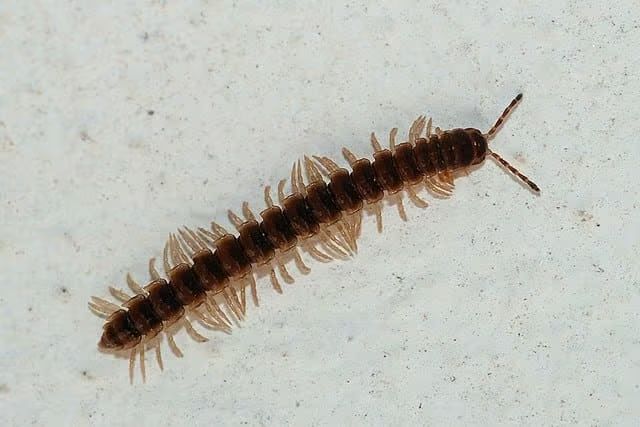
Millipedes thrive in Southern Maine's humid coastal climate, often appearing in Buxton and Hollis where damp basements and wooded areas create perfect hiding spots. These slow-moving creatures feed on decaying organic matter and rarely pose any real threat. If you're noticing them indoors, simple steps can help keep them out.
What Are Millipedes?
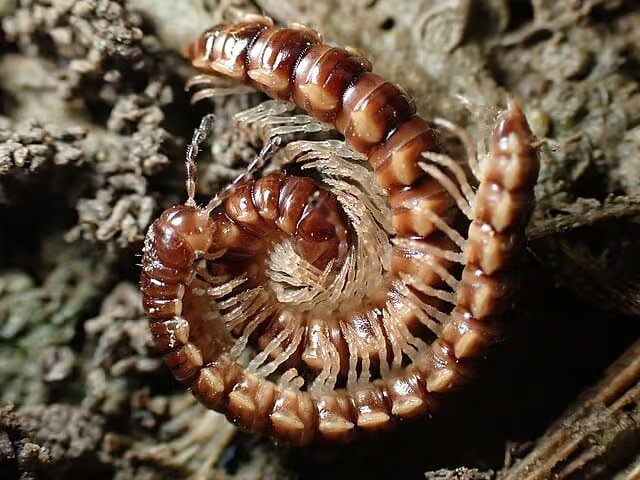
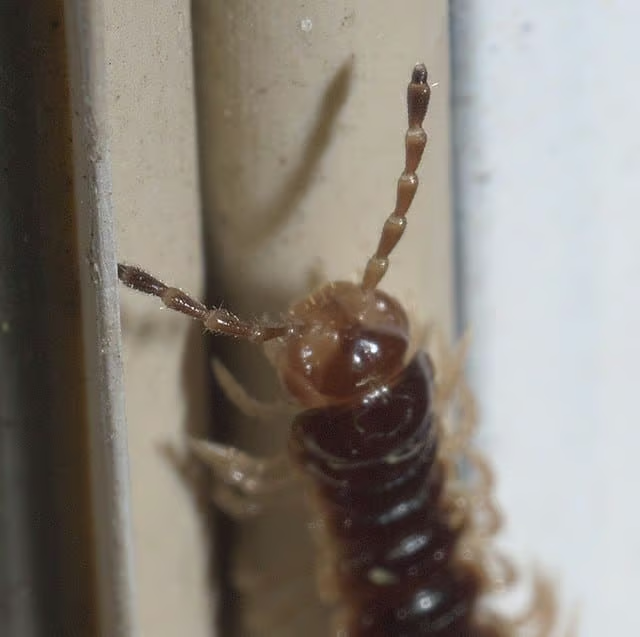
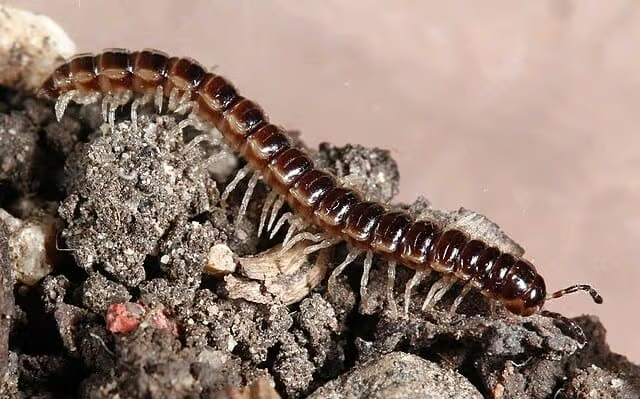
Millipedes are wormlike arthropods with many body segments, commonly found in Southern Maine’s moist environments. Most are brownish or blackish, measuring about 1/4 to 1 inch long, and they coil up tightly like a watch spring when disturbed. Each segment has two pairs of short legs, setting them apart from centipedes which have one pair per segment.
They live outdoors in damp spots under leaves, rocks, mulch, or dead plant debris, feeding primarily on decaying vegetation which makes them beneficial recyclers of organic matter. In Southern Maine’s older homes and wooded backyards, they seek out high humidity and are most active at night, hiding during the day in cracks or soil. For more details, check the Maine DACF Got Pests resource on millipedes.
Signs of Infestation
Spotting millipedes early can prevent larger indoor migrations, especially after heavy rains in Southern Maine.
- Curled-up millipedes on basement floors or in damp corners.
- Trails of small, wormlike creatures near foundations or window wells.
- Increased sightings in garages or lowest levels during fall or wet seasons.
- Presence in mulch piles or leaf litter close to the home’s exterior.
- Occasional clusters in bathrooms or laundry rooms seeking moisture.
- Dark, segmented bodies scattered after vacuuming or sweeping.
- More activity in wooded areas around Buxton or Hollis properties.
- Harmless secretions leaving faint stains on surfaces if crushed.
In Buxton and Hollis homes these signs often increase during wet seasons or after heavy rains when millipedes seek shelter indoors.
Risks in Southern Maine
Millipedes do not bite, sting, or spread diseases, making them mostly a nuisance rather than a health concern. In Southern Maine’s humid climate and damp basements, large numbers can invade homes during rainy periods, creating an unwelcome mess. They may also release a mild defensive odor or fluid that can irritate sensitive skin or eyes if handled. For local insights, see Penn State Extension’s guide on millipedes. Low-impact management fits well with the region’s focus on humane pest solutions.
Prevention Tips
Keeping millipedes out starts with reducing moisture and hiding spots around your Southern Maine property.
- Remove leaf litter, rocks, boards, and debris from near foundations.
- Install a 2-3 foot mulch-free zone around the home using gravel.
- Seal cracks in foundations, doors, and windows with caulk or screens.
- Use dehumidifiers in basements to keep humidity below 50 percent.
- Trim shrubs and vegetation away from exterior walls.
- Clean gutters and direct downspouts away from the building.
- Vacuum or sweep up any indoor millipedes promptly.
- Store firewood off the ground and away from the house.
Professional Treatment
When prevention is not enough I provide targeted, low-impact control. I locate entry points and moist areas around foundations and basements. Treatments are customized for each property. A single family home in Buxton may need different focus than a business in Hollis. I handle the entire process myself from start to finish.
Learn more about my background and methods on the About page. Contact me today to schedule your free inspection on the Contact page.
Frequently Asked Questions
No. They are harmless recyclers of organic matter and do not bite or spread diseases, though large numbers can be a nuisance indoors.
They migrate inside through small cracks seeking moisture, especially in damp basements during heavy rains or fall in areas like Buxton and Hollis.
- With moisture reduction and sealing, most problems clear up in 1-2 weeks, though ongoing prevention keeps them away long-term.
Related Resources
- Detailed local facts from Maine DACF Got Pests: Millipedes
- Official guidance from Penn State Extension: Millipedes
Why Choose Precision Pest Control?
Your local solo specialist, I offer customized, low-impact pest control fitted to Southern Maine challenges for homes and businesses. Protect your property today. Reach out for your free inspection.