

Fungus Gnats in Southern Maine:
Identification, Prevention, and Control
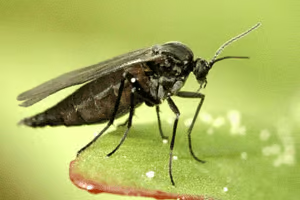
Fungus gnats are one of those indoor pests that seem disproportionately stubborn for something so small. They breed in houseplant soil, and because most people respond by treating the adults rather than addressing the watering habits sustaining the larvae, the problem cycles on indefinitely. I encounter them regularly across Cumberland and York Counties, particularly in older homes with damp basements, year-round houseplant collections, and the kind of persistent indoor moisture that Maine winters encourage. As an Associate Certified Entomologist (A.C.E.) with 16 years of experience in the region, fungus gnats are a pest where the fix is almost always a watering and moisture correction rather than a chemical application. Browse the flies pest library to compare other species common in Maine, or contact me if small dark flies near your houseplants are not responding to basic changes.
What Are Fungus Gnats?
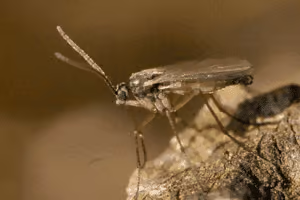
Fungus gnats belong primarily to the family Sciaridae, with Bradysia species being the most common indoors in Southern Maine. Adults are small, reaching only about one-eighth of an inch, with dark gray to black bodies, long slender legs and antennae, and translucent wings. Their leggy, delicate appearance gives them a superficial resemblance to tiny mosquitoes, though they do not bite.
Larvae are small white maggots with shiny black heads that live in the top inch or two of moist potting soil or decaying organic matter, feeding on fungi, algae, and occasionally tender plant roots. Females lay eggs directly into wet soil, and the full life cycle from egg to adult can complete in as little as three to four weeks under the warm, humid indoor conditions common in Southern Maine homes year-round. Browse the flies pest library to see other species found in the area.
According to the University of Maine Cooperative Extension, fungus gnats thrive in the consistently moist soil conditions that many houseplant owners inadvertently create through overwatering, and are among the most common indoor fly complaints in Maine homes with plant collections.
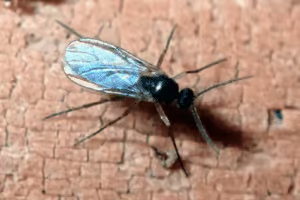
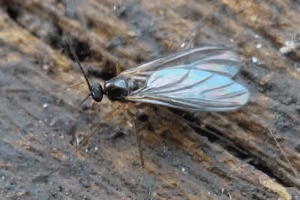
Signs of Fungus Gnat Activity
Because fungus gnats are tied to a specific breeding source, activity is concentrated near that source. Look for:
- Clouds of tiny dark flies hovering just above the soil surface of houseplants or rising when plants are watered
- Small white legless larvae with shiny black heads visible in the top layer of potting mix when disturbed
- Adults resting on walls, ceilings, light fixtures, or windows near plant areas
- Yellowing, wilting, or slow stunted growth in houseplants, particularly in young seedlings where root feeding causes the most damage
- Sudden swarms when watering pots, moving soil, or turning on basement lights
- Adults getting caught on yellow sticky traps placed near plant pots or windowsills
In Southern Maine locations such as Biddeford and Saco these signs commonly intensify after bringing outdoor plants inside for the winter or during periods of high indoor humidity in fall and spring.
Risks in Southern Maine
Fungus gnats pose no threat to human health. They do not bite, do not spread disease, and do not contaminate food. Their primary impact in residential settings is houseplant damage from larval root feeding, which is most significant in seedlings and young or sensitive plants where root systems are less established. In heavy infestations, larval feeding combined with the constantly wet soil conditions that sustain fungus gnats can weaken even mature plants over time.
In commercial greenhouse and nursery settings, fungus gnat pressure can be a more significant concern affecting plant stock and requiring a more structured management approach. My commercial pest control services are available for commercial growing and retail plant environments where fungus gnat management is part of an ongoing operational need.
Prevention Tips
Fungus gnat prevention is almost entirely about soil moisture management:
- Allow the top one to two inches of potting soil to dry out completely between thorough waterings. This single change eliminates the breeding condition for most infestations
- Use pots with drainage holes and empty saucers immediately after watering to prevent water from sitting under the pot
- Remove fallen leaves, dead flowers, and any decaying plant material from soil surfaces promptly
- Top-dress soil surfaces with a thin layer of coarse sand, gravel, or perlite to deter egg-laying
- Inspect, quarantine, and isolate every new houseplant for at least two weeks before placing it near existing plants
- Repot plants annually in fresh sterile potting mix, particularly plants that spend summers outdoors where they may pick up gnat populations
- Run dehumidifiers and improve airflow in basements, laundry rooms, and other consistently damp areas where moisture contributes to favorable conditions
For properties with recurring fungus gnat pressure due to persistent moisture issues, a year-round protection plan that includes regular monitoring and moisture management can prevent populations from re-establishing.
Commonly Confused With
Fungus gnats are most commonly confused with fruit flies and drain flies. Fruit flies are tan with distinctive red eyes and cluster around produce, recycling, and fermenting material rather than hovering near soil. Drain flies are fuzzy and moth-like with broad tent-shaped wings and rest near drain openings rather than plant pots. Phorid flies are humpbacked and run across surfaces rather than flying weakly above soil. The long legs and antennae of fungus gnats and their specific association with houseplant soil are the most reliable identifying features. If the flies disappear when you move away from the plant area, fungus gnat is almost certainly the right identification.
Professional Fungus Gnat Control in Southern Maine
For most residential fungus gnat problems, the fix is adjusting watering habits combined with allowing soil to dry between waterings, which eliminates the breeding condition without any chemical treatment. When a problem has progressed beyond what watering corrections alone can resolve, I inspect all plants, soil conditions, and nearby moisture sources to identify every contributing factor before applying any treatment. Targeted beneficial nematode soil drenches and precise adult management tools address active populations without broad spraying that would affect beneficial soil organisms. For commercial growing operations or any situation where fungus gnats are affecting plant stock at scale, my commercial pest control services provide a structured management approach. You can learn more about my background on the about page. My common pests control services cover fungus gnats and the full range of small fly species found in Cumberland and York Counties. Contact me to schedule a free consultation.
Frequently Asked Questions
Location and behavior are the fastest clues. Fungus gnats hover weakly just above houseplant soil and have noticeably long legs and antennae. Fruit flies have a tan body with distinctive red eyes and cluster around produce, recycling, or kitchen drains rather than plants. If the flies are concentrated around your plant pots and the activity increases when you water, fungus gnats are almost certainly the answer.
Yes, in most cases. The larvae cannot survive in dry soil, so allowing the top inch or two to dry completely between waterings eliminates the breeding condition and breaks the cycle within a few weeks. This is the most effective single intervention for residential fungus gnat problems. If activity persists after consistently drier watering for three to four weeks, there may be a secondary moisture source contributing that needs to be identified.
In most established plants, larval feeding causes stress and reduced vigor rather than death. Seedlings and young plants with smaller root systems are more vulnerable and can be killed by heavy infestations. Plants that are already stressed from overwatering, root rot, or other issues are also more susceptible. Addressing the moisture conditions that sustain fungus gnats generally resolves the plant health issue at the same time.
Ready to Get Started?
If fungus gnats keep coming back despite adjusting your watering, reach out for a free inspection and I will identify the source.