

Black Flies in Southern Maine:
Identification, Prevention, and Control
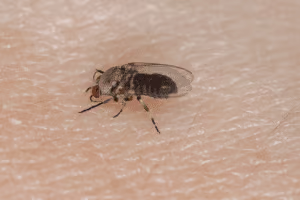
Black flies swarm Southern Maine homes particularly around Biddeford and Windham. Our humid coastal climate clean running streams rivers and wooded areas create perfect breeding conditions for these aggressive daytime biters from mid May through early fall.
What Are Black Flies?
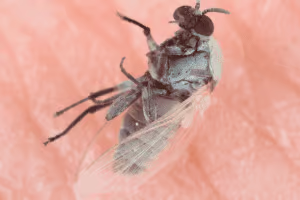
Black flies also known as buffalo gnats or turkey gnats belong to the family Simuliidae. Adults are small humpbacked flies about one eighth inch long with short legs short antennae and dark gray to black bodies. Only females bite to obtain blood for egg development while males feed on nectar.
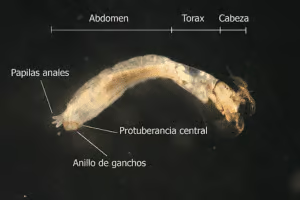
In Southern Maine they breed exclusively in fast flowing clean streams and rivers where larvae attach to rocks in oxygenated water. The life cycle completes in two to three weeks during warm weather with peak activity in late spring and early summer. They are one of the most notorious seasonal pests in southern Maine. Browse the flies pest library to see other fly species found in the area.
For detailed local identification biology and species information see the University of Maine Cooperative Extension fact sheet on black flies.

Signs of Infestation
These clear indicators often appear first near wooded edges or water sources in Southern Maine properties.
- Swarms of tiny dark flies hovering around the head neck and ears during daylight hours
- Painful itchy red welts that appear within hours of bites often with a small central spot
- Flies landing on exposed skin clothing or hair even in light breezes
- Increased activity on warm humid days with little wind near streams or rivers
- Bites concentrated on the upper body face and scalp rather than lower legs
- Persistent swarming around doorways windows or outdoor work areas
- Tiny black flies resting on light colored clothing or vehicle surfaces
In Biddeford and Windham these signs commonly intensify from May through July when local rivers run high.
Risks in Southern Maine
Black flies do not transmit diseases in Maine but their bites cause immediate sharp pain followed by intensely itchy welts that can last days or weeks. Some people experience strong allergic reactions with swelling or secondary infections from scratching.
In our humid coastal and heavily wooded Southern Maine climate with abundant clean rivers and streams these flies emerge in massive numbers each spring reducing outdoor enjoyment for families and businesses. While they cause no structural damage their relentless daytime attacks create significant frustration. My low impact Integrated Pest Management approach follows best practices from the University of New Hampshire Cooperative Extension black flies fact sheet and focuses on safe solutions tailored to our local environment keeping your family pets and beneficial insects protected. Black flies are often confused with no-see-ums by residents, though black flies are larger, bite during daylight hours, and breed in fast moving streams rather than standing water.
Prevention Tips
Consistent habits reduce exposure effectively in our climate.
- Wear long sleeves long pants and light colored clothing when outdoors during peak season
- Apply EPA approved repellents containing DEET picaridin or oil of lemon eucalyptus to exposed skin and clothing
- Use head nets or hats with netting when working near streams or in wooded areas
- Install or repair tight fitting screens on windows and doors
- Run outdoor fans on porches and patios to disrupt flight patterns
- Avoid peak biting times from mid morning through late afternoon on calm days
- Trim dense vegetation and clear brush away from high use outdoor areas
These steps prove especially effective in Biddeford and Windham homes where proximity to rivers and wooded lots increases exposure.
Professional Treatment
When home prevention alone is not enough I deliver precise low impact professional treatment for black flies customized to every Southern Maine property.
As a solo operator with more than 15 years of hands on experience I begin every job with a detailed inspection to locate breeding influences on your land and high activity zones around the home.
Once identified I work directly with you to reduce attraction first then apply only targeted safe controls exactly where needed such as precise barrier treatments on vegetation or low impact adult management tools that remain completely family pet and pollinator friendly with no broad area fogging.
Every plan stays fully customized to the property a single family home in Biddeford near a stream receives different attention than a business in Windham with open yard space. I handle the entire process myself from start to finish with follow up visits included until the issue is completely resolved. Learn more about my background and methods on the About page. Contact me today to schedule your free inspection on the Contact page. For a broader look at biting fly and mosquito management, visit my mosquito and tick control services page.
Frequently Asked Questions
Black flies are humpbacked with short antennae and bite during the day near moving water. Mosquitoes have long legs and whine while no see ums are much smaller and bite at dawn and dusk.
No. Local species do not transmit diseases to humans or pets. The main issue is the painful bites and resulting welts.
Most clients notice significantly fewer flies around the property within one to two weeks once targeted controls and barriers are in place. Full season long reduction usually takes 30 days or longer depending on river levels and weather patterns. I include follow up visits at no extra charge until the problem is under control.
Related Resources
- Detailed local facts from University of Maine Cooperative Extension: Black Flies Fact Sheet
- Comprehensive guidance from University of New Hampshire Cooperative Extension: Black Flies Fact Sheet
Why Choose Precision Pest Control?
Your local solo specialist, I offer customized, low-impact pest control fitted to Southern Maine challenges for homes and businesses. Protect your property today. Reach out for your free inspection.