

Bald-faced Hornets in Southern Maine:
Identification, Prevention, and Control
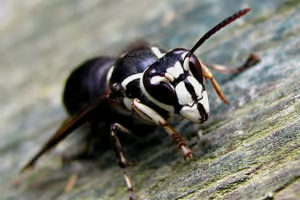
Bald-faced hornets are frequent visitors in Southern Maine yards and around structures, especially in Hollis and Lyman during mid to late summer. These large black and white wasps build impressive enclosed paper nests in trees, shrubs, or under eaves in our humid coastal and wooded environment. While they provide excellent natural control of garden pests like caterpillars and flies, their defensive nature makes nests near homes a safety priority for families and pets.
What Are Bald-faced Hornets?
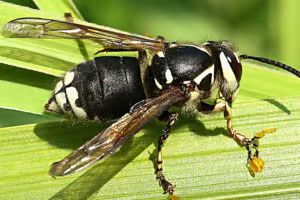
Bald-faced hornets (Dolichovespula maculata) measure about three quarters of an inch long with a stout black body and striking ivory white markings on the face, thorax, and tip of the abdomen. Unlike yellow jackets they lack bright yellow bands.
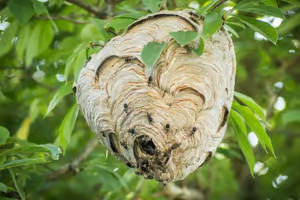
They belong to the same family as yellow jackets but create much larger colonies that peak at several hundred workers. Each spring a single queen starts a new nest using chewed wood fibers mixed with saliva to form a tough gray paper envelope. Nests are pear shaped, fully enclosed, with the entrance hole at the bottom and can reach three feet tall when hanging from tree branches or building overhangs. In Southern Maine they thrive along forest edges and residential lots where they hunt insects to feed their larvae. For detailed local identification and biology see the University of Maine Cooperative Extension bald-faced hornet fact sheet.
Signs of Infestation
These visible clues usually appear first near trees, eaves, or high traffic outdoor areas.
- Large gray pear shaped paper nest hanging from a tree branch, shrub, or under eaves
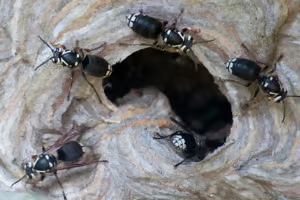
- Steady stream of black and white wasps flying in and out of the bottom entrance hole
- Wasps scraping wood from fences, siding, or decks to build nest material
- Aggressive buzzing or diving behavior when anyone approaches within 10 to 15 feet of the nest
- Multiple wasps hovering near the nest entrance at dusk
- Empty nests remaining through winter after the colony dies off in late fall
- Increased wasp activity around outdoor eating areas or garbage in August and September
- White faced workers guarding the nest entrance on warm afternoons
In Hollis and Lyman properties these signs commonly increase from July through the first hard frost.
Risks in Southern Maine
Bald-faced hornets defend their nest vigorously and can sting repeatedly, causing significant pain, swelling, and possible allergic reactions in sensitive individuals.
Our humid, wooded Southern Maine climate supports large, highly visible nests that often hang close to patios, walkways, and play areas in Hollis and Lyman. While they deliver valuable pest control by hunting garden insects, nests within 20 feet of living spaces create real safety concerns with no structural damage. My low impact Integrated Pest Management approach follows best practices from the Maine DACF Got Pests bees and wasps page and focuses on safe, targeted solutions that protect your family and beneficial insects.
Prevention Tips
Daily habits greatly reduce nesting and attraction in our climate.
- Trim tree branches and shrubs at least 10 feet away from the house and eaves
- Seal gaps around soffits, vents, fascia boards, and attic access points
- Remove old nests in late fall or winter after the colony has died
- Keep garbage cans tightly sealed and clean them regularly
- Pick up fallen fruit, pet food, and sugary spills immediately
- Avoid leaving sweet drinks or food uncovered outdoors
- Install fine mesh screens over all exterior vents and openings
- Check eaves, trees, and shrubs weekly during June and July for early nest starts
These steps prove especially helpful on Hollis and Lyman wooded lots where mature trees and older homes offer prime nesting sites right beside living areas.
Professional Treatment
When bald-faced hornet nests create safety issues I deliver precise low impact professional treatment customized to every Southern Maine home and business. As a solo operator with years of hands on local experience I begin every job with a detailed inspection to locate the nest, entry points, and foraging patterns.
I treat active nests at dusk or after dark when the wasps are inside and less active, using targeted products applied directly to the entrance. Once the colony is eliminated I carefully remove the nest material to prevent reuse the following year. No broadcast spraying ever. A single family home in Hollis with a large tree nest receives focused aerial treatment and branch trimming recommendations while a business in Lyman with an eave nest gets rapid colony knockdown plus ongoing perimeter monitoring. I handle the entire process myself from start to finish with follow up visits included at no extra charge until the issue stays resolved. Learn more about my background and methods on the About page. Contact me today to schedule your free inspection on the Contact page.
Frequently Asked Questions
Yes near the nest. They defend their large colony more vigorously and can sting repeatedly, though they are generally less likely to bother people far from the nest.
They prefer sheltered spots in our humid wooded environment and choose strong branches or building overhangs near reliable insect food sources.
Evening or nighttime when most workers are inside the nest and temperatures are cooler, which reduces defensive behavior and improves safety.
Related Resources
- Detailed local facts from University of Maine Cooperative Extension: Bald-faced Hornet
- Official guidance from Maine DACF Got Pests: Bees and Wasps
Why Choose Precision Pest Control?
Your local solo specialist, I offer customized, low-impact pest control fitted to Southern Maine challenges for homes and businesses. Protect your property today. Reach out for your free inspection.