

Pharaoh Ants in Southern Maine:
Identification, Prevention, and Control
Pharaoh ants are one of the most challenging ant species to control, and one of the most important to identify correctly before attempting any treatment. A single misapplied contact spray can cause a pharaoh ant colony to fracture into dozens of satellite colonies through a process called budding, turning a contained problem into a building-wide infestation. As an Associate Certified Entomologist (A.C.E.), I take a different approach with this species, one that relies on strategic bait placement rather than sprays. Pharaoh ants are found throughout Southern Maine, particularly in structures with year-round heat and consistent food sources. Browse the ants pest library for a full overview of ant species in the area, or contact me if you suspect an infestation.
What Are Pharaoh Ants?
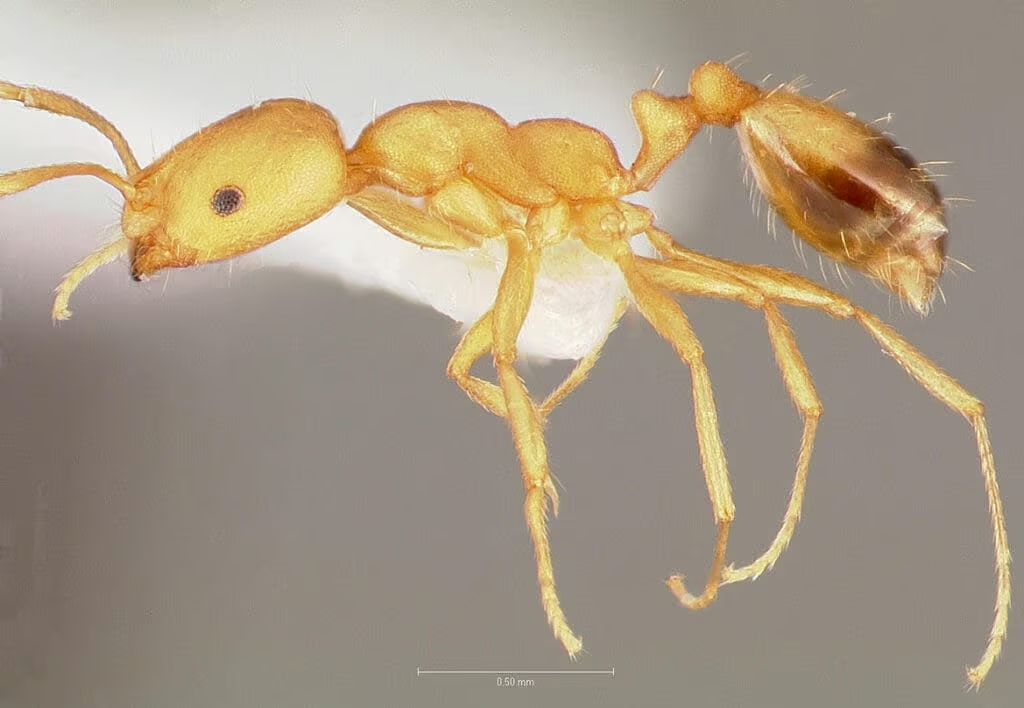
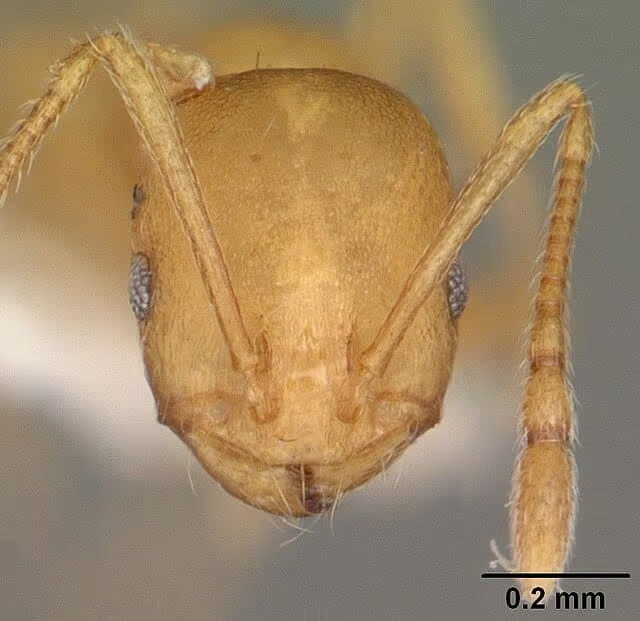
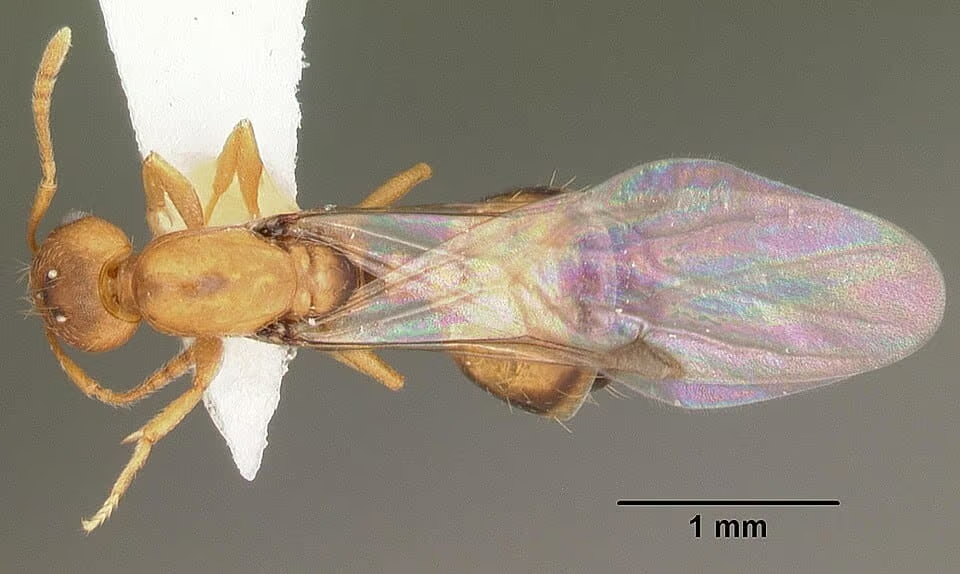
Pharaoh ants (Monomorium pharaonis) are extremely small, only about 1/16 inch long, and pale yellow to light reddish-brown in color, almost transparent in appearance. Workers are all the same size with two nodes on the petiole and no spines on the thorax. They do not produce winged swarmers outdoors the way most ant species do. Instead, new colonies form through budding, where a group of workers and one or more queens simply break away and relocate.
Pharaoh ants nest entirely indoors in warm, humid locations including wall voids, behind baseboards, inside electrical boxes, near hot water pipes, and within the insulation of appliances. Colonies can be very large and are notoriously difficult to trace since nesting sites are often deep inside building structures. The Maine DACF Board of Pesticides Control specifically notes that pharaoh ants are considered one of the most difficult ant species to control and that pesticide applications can trigger the budding that spreads them further.
Signs of Pharaoh Ant Activity
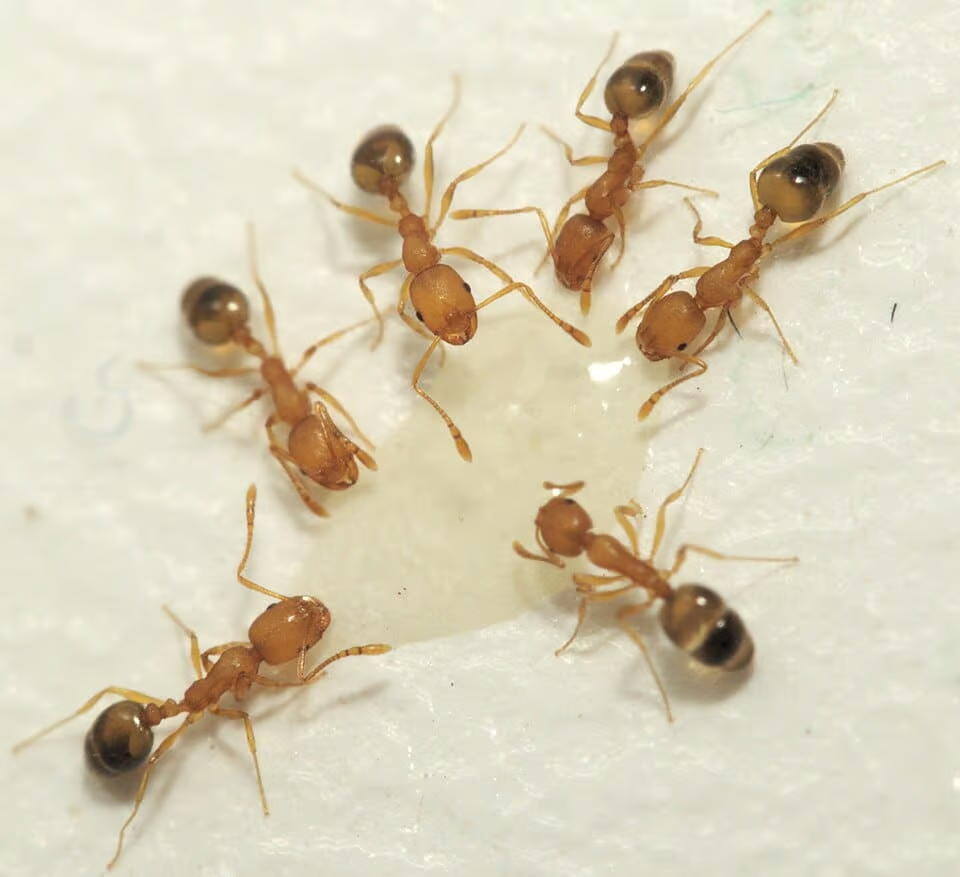
- Trails of tiny pale yellow ants along countertops, baseboards, window sills, or plumbing fixtures
- Ants gathered around sinks, drains, pet food bowls, garbage cans, or any food residue
- Ants found inside food packaging, around honey, syrup, grease, or even non-food items like toothpaste and soap
- Ants appearing in bathrooms or around plumbing, which they follow as a route through wall voids
- A sudden increase in ant numbers in new areas of the building after cleaning, spraying, or disturbing a known infestation
In dense urban areas like Portland and Westbrook, pharaoh ants are particularly common in multi-unit housing, restaurants, and commercial kitchens where consistent heat, moisture, and food sources make interior nesting ideal year-round.
Risks in Southern Maine
Pharaoh ants do not bite or sting and cause no structural damage. Their primary concern is food contamination and the potential to carry bacteria including Salmonella and Staphylococcus from unsanitary areas such as drains and garbage to food preparation surfaces. This makes them a significant concern in food service settings and anywhere food hygiene matters.
The secondary and more practical concern is their response to improper treatment. Contact insecticide sprays, including most store-bought products, cause pharaoh ant colonies to bud rather than collapse. Each spray application can effectively multiply the number of active colonies rather than reduce them. This is why professional treatment using properly placed slow-acting baits is not just preferable but necessary for effective control of this species.
Prevention Tips
- Store all food including pet food in airtight containers and clean up spills, crumbs, and grease immediately
- Fix all leaky faucets and pipes to eliminate the moisture sources pharaoh ants require for nesting
- Rinse recyclable containers thoroughly before storing them and empty trash daily
- Seal cracks around windows, doors, baseboards, pipes, and electrical outlets
- Keep counters, sinks, and floors clean every night, including under and behind appliances
- Inspect incoming grocery bags, cardboard boxes, and secondhand furniture, which are common routes of introduction
Commonly Confused With
Pharaoh ants are most often confused with odorous house ants since both are small and trail along similar indoor surfaces. The key differences are color and odor. Odorous house ants are dark brown to black and release a rotten coconut smell when crushed. Pharaoh ants are pale yellow and nearly transparent, and they produce no notable odor.
Citronella ants are also pale yellow but are found near foundations and appear primarily as large indoor swarms in late summer. Pharaoh ants trail in small numbers year-round indoors and show no seasonal swarming pattern.
Correct identification before treatment matters more for pharaoh ants than any other species on this list. Using the wrong treatment approach with this species makes the problem significantly worse.
Professional Pharaoh Ant Control in Southern Maine
Pharaoh ant control requires patience and the right approach. I use slow-acting bait formulations placed strategically along active trails, allowing workers to carry the product back to the colony and reach the queens. I never apply contact sprays to a known pharaoh ant infestation. I map the trail activity, monitor bait uptake, and adjust placement as needed until the colony is eliminated. This process typically takes four to eight weeks depending on colony size, with follow-up monitoring to catch any budding satellite colonies. If pharaoh ants have established inside your home or business, my ant control services provide the targeted, bait-based approach this species requires. Contact me to schedule a free consultation.
Frequently Asked Questions
This is the most common pharaoh ant story I hear. Contact sprays alarm the colony and trigger budding, where groups of workers and queens scatter to new locations and start fresh nests. One colony becomes five or ten. Slow-acting bait is the only effective approach because it reaches the queens before they relocate. If you have already sprayed, I can still get this under control, it just takes more patience and careful monitoring.
They do not sting or bite, but they can carry bacteria including Salmonella and Staphylococcus from dirty surfaces to food preparation areas. In homes this is a food safety concern. In restaurants, healthcare facilities, or any commercial food environment, an active pharaoh ant infestation is a serious sanitation issue that needs professional treatment.
Longer than most ant treatments. Expect four to eight weeks for significant population reduction, and ongoing monitoring for several weeks after to ensure budding colonies are caught early. The timeline depends on how established the infestation is and how many nesting sites are present inside the structure. I stay with it until the problem is fully resolved.
Ready to Get Started?
I serve homeowners and businesses throughout Cumberland and York Counties. If pharaoh ants have established inside your home or business, reach out for a free consultation.