

As the snow melts and temperatures rise in southern Maine towns like Portland, Sanford, Biddeford, Saco, Scarborough, Westbrook, Gorham, Kennebunk, and Old Orchard Beach, ants often become more active. With over 15 years of experience as an Associate Certified Entomologist, I frequently assist homeowners with early spring ant issues. Ants emerge from dormancy to forage for food and water as colonies awaken. Contact me at Precision Pest Control for identification and control help.
Understanding Early Spring Ant Activity
Ants remain less active during winter but increase foraging in early spring (March onward) with warmer days. In southern Maine, this timing aligns with thawing ground and rising temperatures. Colonies seek food sources indoors, especially during dry spells or when outdoor options are limited. Common species include carpenter ants, odorous house ants, and pavement ants. Winged reproductives (swarmers) of carpenter ants often appear in spring for mating flights.
Common Ant Species in Southern Maine Homes
- Carpenter Ants (Camponotus spp., primarily black): Largest ants (up to 3/4 inch). They excavate galleries in moist or decaying wood but do not eat it. Indicator of moisture issues.
- Odorous House Ants: Small (1/8 inch), dark brown/black. Emit rotten coconut smell when crushed. Attracted to sweets; nest in wall voids or near moisture.
- Pavement Ants: Small, dark. Nest outdoors under pavement or slabs; enter homes for food.
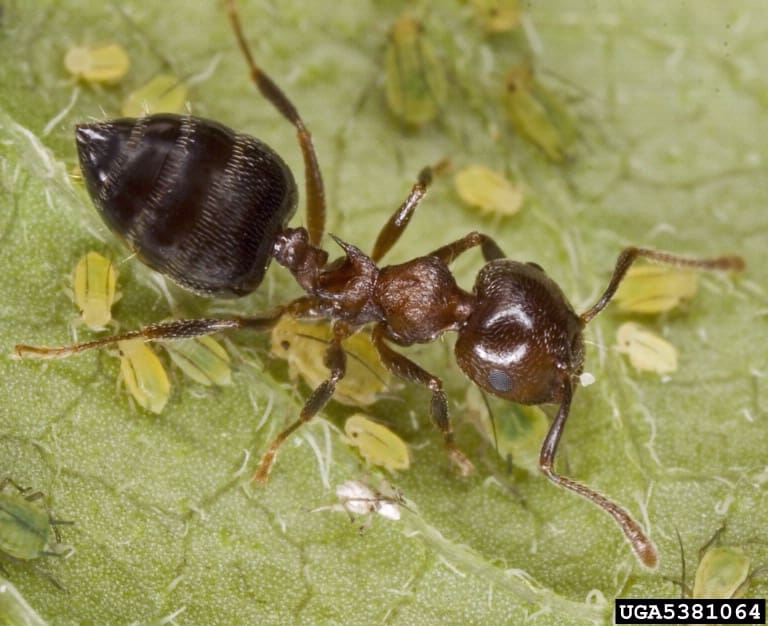
- Acrobat Ants: Small reddish-brown to black ants (1/8 inch) with heart-shaped abdomens raised when threatened. They nest in decaying wood or insulation and can bite.
Signs of an Ant Infestation
Homeowners may notice:
- Trails of ants, often at night or near kitchens.
- Coarse sawdust (frass) near baseboards, windows, or wood (key for carpenter ants).
- Large ants indoors or winged swarmers.
- Ants around food, water, or pet bowls.
For carpenter ants, frass accumulation or hollow-sounding wood when tapped signals nesting.

Prevention Tips for Southern Maine Homeowners
Prevent ants by addressing attractants and entry points:
- Seal cracks, gaps around windows, doors, pipes, and foundations with caulk.
- Fix leaks and moisture problems promptly (roofs, gutters, pipes).
- Keep food stored tightly; clean spills, counters, and pet areas daily.
- Move firewood, mulch, and vegetation at least 12-18 inches from foundation.
- Store firewood outdoors until needed.
Effective Control Methods
- Sanitation first: Remove food and water sources.
- Baits: Most effective for colony control. Use boric acid-based or commercial baits (e.g., Terro Ant Killer) labeled for ants. Place along trails; allow workers to carry bait back to nest. Do not spray foragers, as it kills scouts without eliminating the colony.
- Vacuum small numbers and dispose outside.
- For carpenter ants: Locate and address moisture; treat nest area if accessible (dusts or baits). Avoid whole-home spraying.
When to Call a Professional
Call me if you see:
- Persistent trails or large numbers despite DIY efforts.
- Sawdust/frass indicating carpenter ants.
- Difficulty locating the nest or suspected structural issues.
Professional treatment targets nests directly and addresses underlying moisture problems.

Summary Table: Common Spring Ants in Southern Maine
| Ant Species | Size | Key Signs | Primary Concern |
|---|---|---|---|
| Carpenter Ants | Up to 3/4″ | Frass/sawdust, large ants, trails | Moisture damage, wood excavation |
| Odorous House Ants | ~1/8″ | Sweet-seeking trails, coconut smell | Rapid indoor invasion |
| Pavement Ants | Small black | Near foundations, food sources | Nuisance foraging |
Frequently Asked Questions (FAQs)
1. Why do I see more ants in early spring in southern Maine? Ants emerge from winter dormancy as temperatures rise, foraging more actively for food and water inside warmer homes.
2. Do carpenter ants eat wood? No, they excavate moist or decaying wood to create galleries but feed on other sources like insects, sweets, and sap.
3. What is the best way to control ants without chemicals? Focus on sanitation (clean food sources), sealing entries, and reducing moisture. Baits are low-toxicity and effective.
4. Can ants bite or sting? Carpenter ants may bite if handled (mild), but most common household ants in Maine do not sting or bite aggressively.
5. How long do ant baits take to work? Workers carry bait to the colony; visible reduction often occurs in days to weeks, depending on species and colony size.
Early spring is the ideal time to address ant activity before populations grow. For personalized ant control in southern Maine, contact me at Precision Pest Control. View my ant control services or read related posts like winter pests in southern Maine.