

Wood-Destroying Pests in Southern Maine:
Identification & Prevention
As the solo operator of Precision Pest Maine, I focus on select wood-damaging insects like powderpost beetles in York, Cumberland, and some Oxford county spots. These borers target seasoned lumber, but I utilize humane, integrated pest approaches to address them.
Quick Fact: Powderpost beetles can infest wood for years unnoticed, reducing it to fine dust and compromising items like furniture or floors in Maine homes.
Common Wood-Destroying Pests in Southern Maine
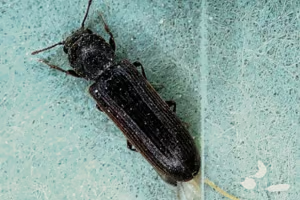
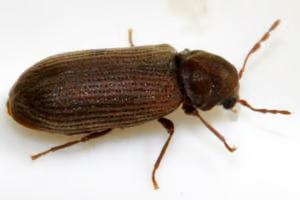
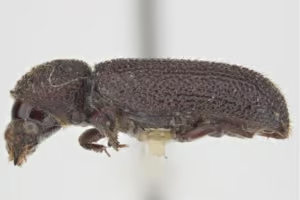
Why Do Wood-Destroying Pests Invade Structures in Southern Maine?
Our humid climate and abundant timber make buildings vulnerable, with beetles entering via infested firewood, furniture, or lumber. They prefer damp, untreated hardwoods or softwoods in basements, attics, or crawl spaces. From my local work in southern Maine areas, issues often stem from stored items or poor ventilation, spreading slowly to affect residences and businesses.
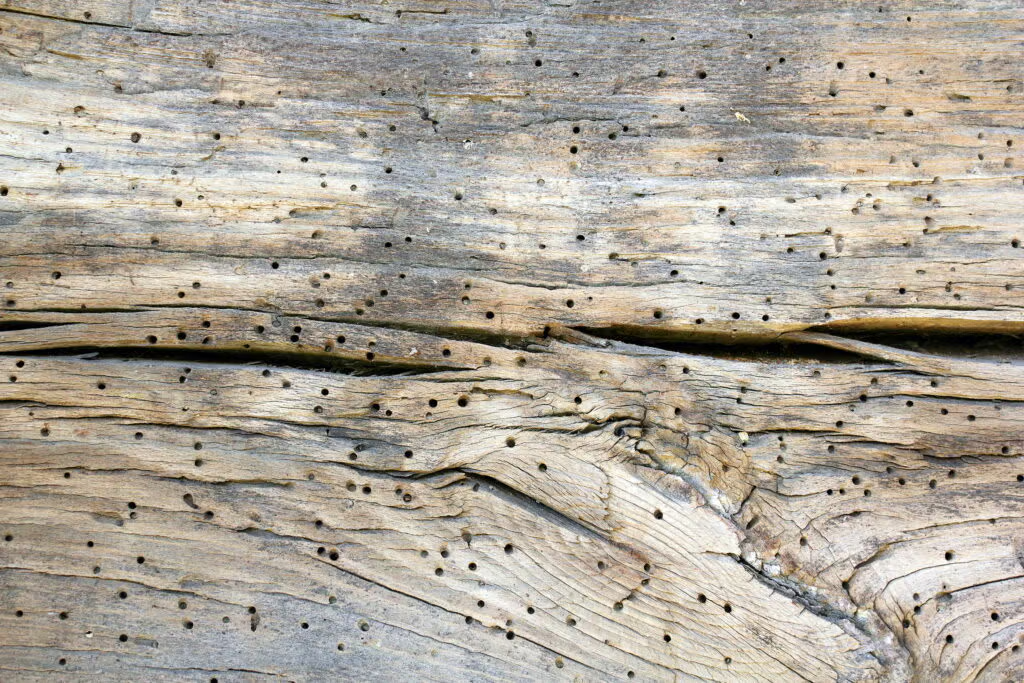
Identification Tips for Wood-Destroying Pests in Southern Maine
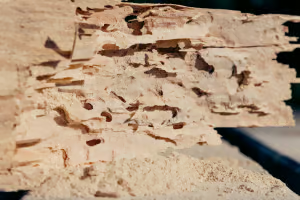
Seek small, oval beetles (1/8-1/4 inch) with reddish-brown to black bodies. Exit holes are pinpoint (1/16-1/8 inch), surrounded by talc-like frass. Lyctus types produce fine powder from hardwoods; Anobium leave gritty residue in softwoods; Bostrichids create larger holes with coarse dust. Locally, signs appear in older wood during warmer months.
- Antennae clubbed or elbowed.
- Larvae are creamy, C-shaped grubs inside wood.
- Damage shows as tunnels filled with dust.
- No visible wings on most adults indoors.
Behavior & Habits of Wood-Destroying Pests
These beetles lay eggs in wood pores, with larvae tunneling for 1-5 years before emerging as adults. They reinfest the same material, favoring sapwood. In this region, I find Lyctus in hardwoods like oak or ash, Anobium in softwoods like pine or spruce, and Bostrichids rarely but in tropical imports, posing long-term risks if ignored.
Risks & Threats from Wood-Destroying Pests
- Reduce wood to powder, weakening furniture, floors, or beams.
- Costly repairs if structural elements are affected.
- Attract secondary invaders like fungi.
- Potential allergen from frass dust.
For details on these pests, visit this Maine DACF page: Maine DACF on Powderpost Beetles. Also, explore EPA info on wood protection: EPA on Wood Preservative Chemicals.
General Prevention Tips for Wood-Destroying Pests
- Use kiln-dried or treated lumber for construction.
- Store firewood outdoors and inspect before bringing inside.
- Maintain low humidity with ventilation or dehumidifiers.
- Sand and varnish exposed wood surfaces.
Frequently Asked Questions
Untreated wood, moisture, and infested items like antiques or logs, thriving in our variable weather.
Fine dust piles, tiny holes, or weakened wood. I perform careful evaluations if suspected.
Over time, yes, by hollowing out material. Tips for awareness only; improper handling risks health. Call me for safe intervention.
Infestations build slowly but reinfest persistently. Early action prevents escalation. Contact me for help.
Rarely if wood is properly dried, but imported goods pose risks. For your property’s needs, reach out.
Focus on powder residue versus larger holes from non-covered pests. Let’s connect for precise guidance.
Commonly Confused With
Wood-destroying pests are often mistaken for similar invaders in southern Maine. For example:
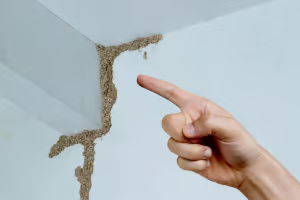
Termites: Cause mud tubes and swarm in spring, unlike beetle frass.
For exact confirmation, touch base with Precision Pest Control. Mix-ups can delay fixes. Tips for awareness only; call me for expert support.
Why Choose Precision Pest Control?
As your area-focused solo expert, I supply custom, ethical pest options matched to local demands for houses and companies. Safeguard against wood damage. Get in touch now.