

Stinging Insects in Southern Maine:
Identification & Prevention
As the solo owner of Precision Pest Maine, I manage buzzing threats like stinging insects for properties in York, Cumberland, and limited Oxford county regions. These pollinators turn problematic when nesting near human activity, but I employ eco-conscious, integrated pest tactics to resolve issues safely.
Quick Fact: In Maine, stinging insects like yellow jackets can form colonies of thousands, peaking in late summer and posing risks during outdoor gatherings.
Common Stinging Insects in Southern Maine
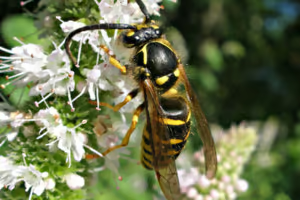
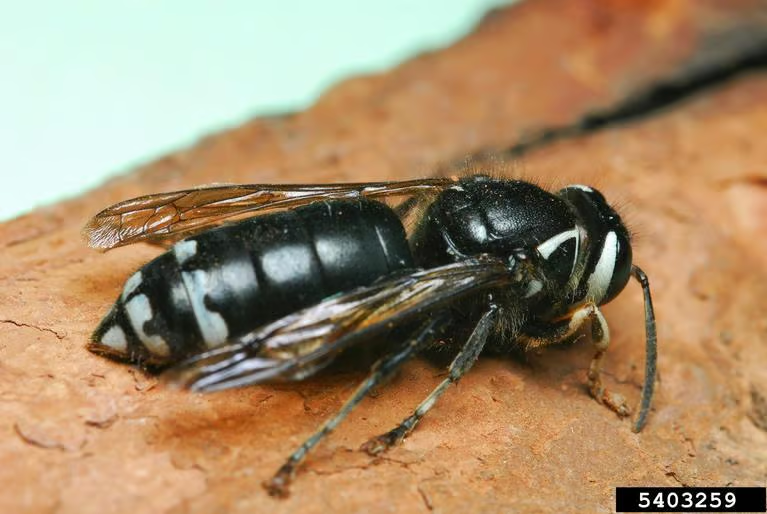
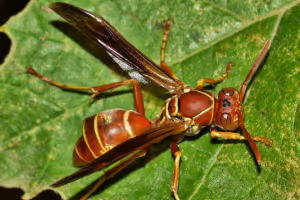
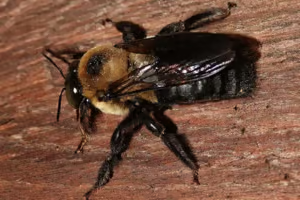
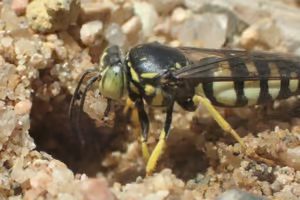
Why Do Stinging Insects Invade Structures in Southern Maine?
With our mix of coastal and wooded landscapes, these insects seek protected sites for nests during warmer months, entering eaves, attics, or sheds via small openings. They favor spots close to food sources like gardens or trash. Based on my services in places such as York and Cumberland counties, problems often arise from overlooked overhangs or debris, leading to conflicts in homes and businesses alike.
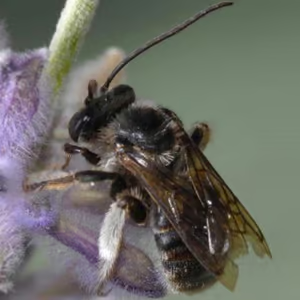
Identification Tips for Stinging Insects in Southern Maine
Observe slender bodies with wings, segmented antennae, and often bright yellow-black patterns. Sizes range from small (1/2 inch for paper wasps) to larger (up to 1 inch for bald-faced hornets). Features include smooth stingers in females (reusable unlike honeybees) and nest types: paper-like for wasps/hornets, wood burrows for carpenter bees. Signs involve buzzing near entries, nests on ceilings, or foraging around sweets. In this area, activity surges in spring and fall.
- Waist-like narrowing between thorax and abdomen.
- Nests vary: aerial paper balls for hornets, umbrella shapes for wasps.
- Aggressive defense near colonies.
- Pollen baskets on legs for some bees.
Behavior & Habits of Stinging Insects
These creatures are social or solitary, building nests in spring and foraging for nectar, insects, or wood. Colonies expand through summer, with queens overwintering. Locally, I observe yellow jackets scavenging picnics, paper wasps hunting caterpillars, and carpenter bees drilling into decks, all contributing to ecosystems but challenging when close to people.
Risks & Threats from Stinging Insects
- Stings trigger pain, swelling, or severe allergic reactions like anaphylaxis.
- Nests in structures damage wood or attract secondary pests.
- Aggressive swarms endanger children, pets, or outdoor workers.
- Health issues from venom, especially for multiple stings.
For insights on sting-related health, see this CDC guide: CDC on Insect Stings. Also, review EPA advice for safe control: EPA on Stinging Pests.
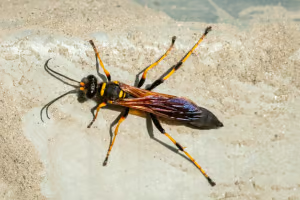
General Prevention Tips for Stinging Insects
- Inspect and seal exterior cracks with mesh or foam.
- Keep garbage covered and away from entrances.
- Trim vegetation and remove old wood piles.
- Avoid sweet scents or bright clothing outdoors.
Note: These are informational suggestions. Incorrect approaches may pose hazards. Safer to reach out to me.
Frequently Asked Questions
Food like sugary spills, flowering plants, and sheltered spots, particularly in our humid summers for nesting.
Nests under eaves, increased buzzing, or stings nearby. I provide expert assessments if needed.
Yes, through painful stings and allergies. Tips for awareness only; improper handling risks health. Call me for secure management.
They sting to protect nests, not unprovoked. Prioritize distance to prevent incidents.
Queens start small but reach hundreds by fall. Intervene early to avoid escalation. Contact me for assistance.
Carpenter bees bore into wood, often causing cosmetic damage like holes and stains, with potential minor weakening over time if unchecked. For tailored solutions in your area, let’s discuss.
Commonly Confused With
Stinging insects may be mixed up with similar bugs in southern Maine. For instance:
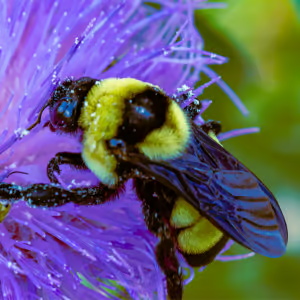
Bumblebees: Larger, fuzzier bodies focused on pollination, less aggressive than yellow jackets. They nest in ground holes. (Link to Wildlife category if applicable.)
For proper differentiation, get in touch with Precision Pest Control. Errors can heighten dangers. Tips for awareness only; call me for professional help.
Why Choose Precision Pest Control?
Your neighborhood independent provider, I offer personalized, ethical pest handling adapted to local conditions for residential and commercial clients. Stop stinging insects from disrupting life. Contact me promptly.