

Spiders in Southern Maine:
Identification & Prevention
As the solo owner of Precision Pest Maine, I address common arachnids like spiders in homes and businesses throughout York, Cumberland, and portions of Oxford counties. These eight-legged creatures often enter structures seeking prey or shelter, but I use ethical, integrated pest methods to manage them effectively.
Quick Fact: Many spiders in Maine are harmless to people, yet their webs and presence can signal other pest issues in your property.
Common Spiders in Southern Maine
Why Do Spiders Invade Structures in Southern Maine?
In our region’s damp, forested environments, spiders migrate indoors during cooler months or after heavy rains, slipping through cracks in foundations, windows, or doors. They thrive in dark, humid spots like basements, attics, or garages where insects abound for food. From my experience serving areas such as southern Maine communities, issues often start unnoticed but grow if underlying moisture or entry points go unchecked, impacting both residential and commercial spaces.
Identification Tips for Spiders in Southern Maine
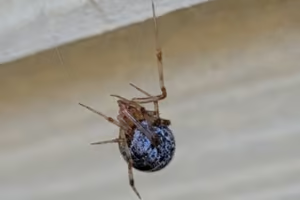
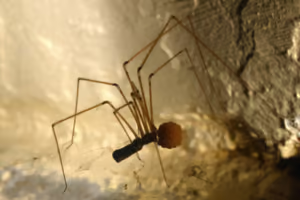
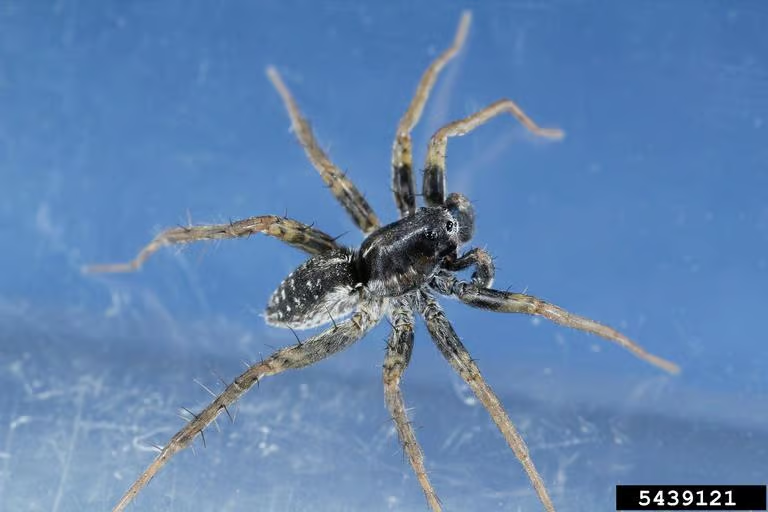
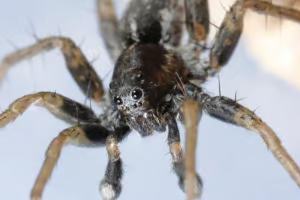
Look for bodies with two segments, eight legs, and no antennae. Sizes vary from small (1/4 inch for house spiders) to larger (up to 1 inch for wolf spiders, excluding legs). Colors include brown or tan with patterns; house spiders have striped legs, cellar spiders are long and thin, while wolf spiders appear robust with eye shine at night. Signs encompass irregular webs in corners, egg sacs, or sightings on floors. Locally, these species increase in homes as outdoor temperatures drop.
- Multiple eyes arranged in rows, often reflecting light.
- Silk threads or funnels in hidden areas.
- Molted skins left behind in quiet zones.
- Quick movements when disturbed.
Behavior & Habits of Spiders
Spiders are mostly nocturnal hunters or web-builders, preying on flies and other insects. They hide in crevices during the day and emerge at dusk. Reproduction involves egg sacs guarded until hatching. In this part of Maine, I see house spiders weaving messy webs indoors year-round, cellar spiders in moist basements, and wolf spiders roaming ground levels in rural spots, helping control pests but sometimes startling residents.
Risks & Threats from Spiders
- Bites can cause mild irritation, swelling, or allergic reactions in sensitive individuals.
- Webs collect dust, affecting indoor air quality.
- Presence indicates potential infestations of their prey insects.
- Rare venomous types like black widows, though uncommon here, pose greater concerns.
For more on spider-related health info, visit this CDC resource: CDC on Venomous Spiders.
. Also, check EPA guidelines for safe pest management: EPA Pest Control Resources for Residents.
General Prevention Tips for Spiders
- Seal gaps around doors, windows, and pipes with weatherstripping or caulk.
- Reduce clutter and vacuum regularly to remove webs and eggs.
- Control indoor humidity with dehumidifiers in basements.
- Minimize outdoor lighting that attracts insect prey.
Frequently Asked Questions
Available insects for food, plus dark, damp hiding places, especially during wet seasons or as winter nears in local structures.
Webs in corners, egg sacs, shed skins, or direct sightings. I offer detailed inspections if you’re unsure.
Most cause no serious issues, but bites may itch or swell. Tips for awareness only; improper handling risks health. Call me for safe handling.
They bite mainly in defense, not aggressively. Focus on reducing entry to avoid encounters.
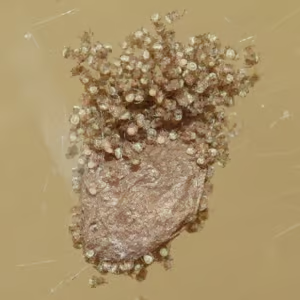
Females lay dozens to hundreds of eggs per sac, hatching quickly. Act promptly to limit spread. Contact me for professional support.
Some like wolf spiders pounce short distances, but none fly. For advice tailored to your property, reach out.
Commonly Confused With
Spiders are sometimes mistaken for other creatures in southern Maine. For example:
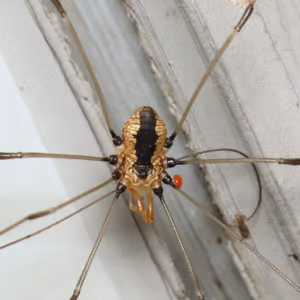
Harvestmen (Daddy Longlegs): Have one body segment and no silk glands, unlike true spiders. They don’t bite humans.
For accurate identification, connect with Precision Pest Control. Misidentifications can complicate matters. Tips for awareness only; call me for expert assistance.
Why Choose Precision Pest Control?
As your local independent expert, I deliver customized, humane pest solutions suited to southern Maine’s unique challenges for homes and businesses. Keep spiders at bay. Get in touch today.