

Ants in Southern Maine:
Identification & Prevention
Ants are among the most common structural pests in southern Maine, invading homes and buildings for food, water, and shelter.
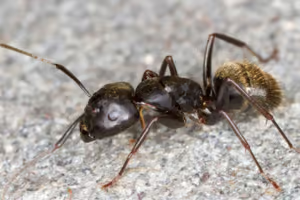
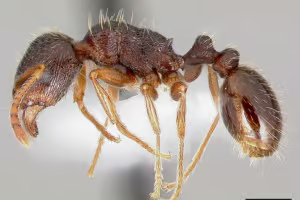
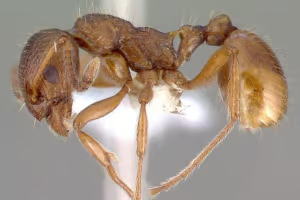
In our region's forests, coastal areas, and urban spots, species like Carpenter Ants thrive in moist wood, while Pavement Ants nest under sidewalks. These social insects from the Formicidae family form large colonies and can quickly become a nuisance.
At Precision Pest Control, we help with ants identification in southern Maine and safe management. Learn about common types below, or contact us for expert help.
Quick Fact: Ant colonies in Maine can number in the thousands, with queens living up to 15 years.
Common Ants in Southern Maine
Why Do Ants Invade Structures in Southern Maine?
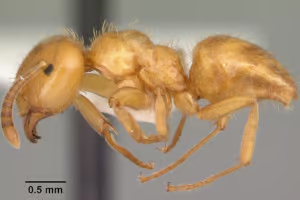
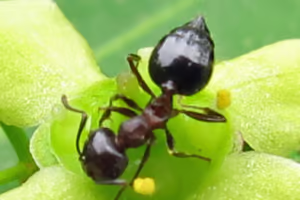
In southern Maine’s temperate climate, ants enter structures during spring thaws or fall to escape cold. They’re drawn to crumbs, spills, pet food, and moisture from leaks. Foraging workers follow pheromone trails, leading colonies indoors. Species like Carpenter Ants target damp wood, while Odorous House Ants seek sugary residues in kitchens. Overwintering in walls or foundations is common in areas like York and Cumberland counties.
Identification Tips for Ants in Southern Maine
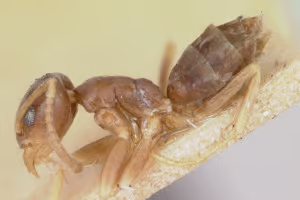
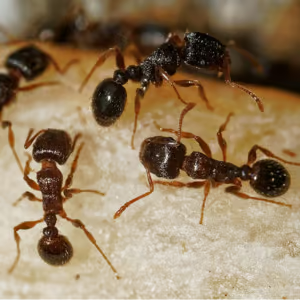
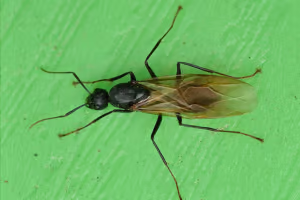
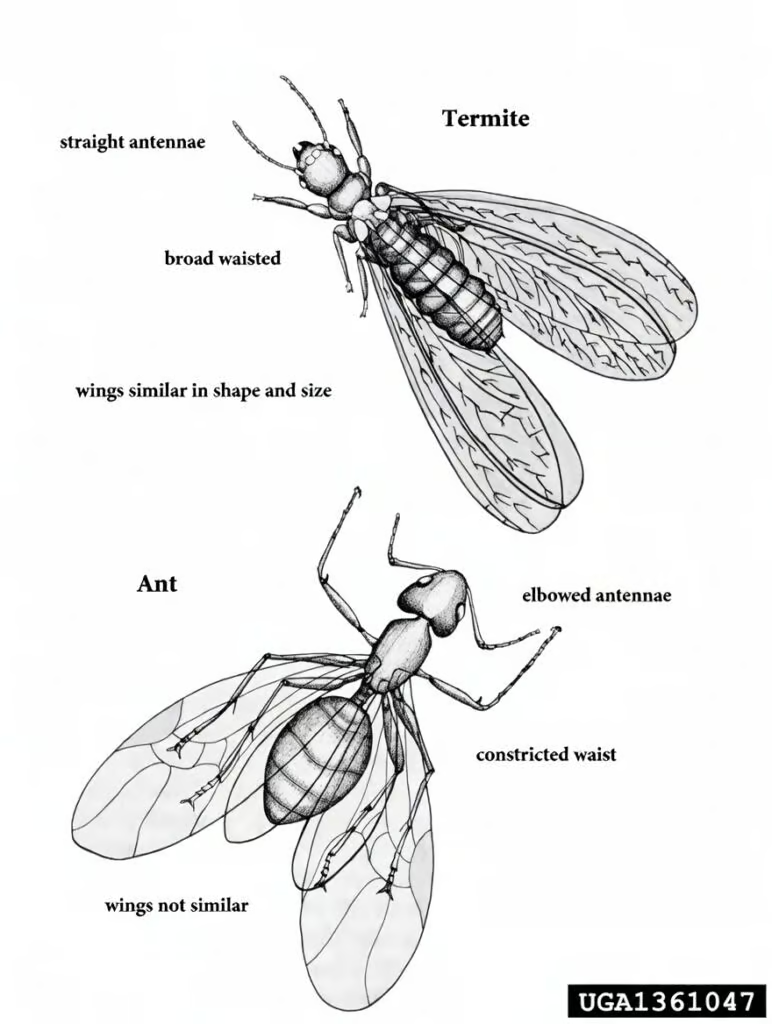
Look for segmented bodies with three parts (head, thorax, abdomen), elbowed antennae, and narrow waists. Sizes vary: small (2-4mm for Pavement) to large (6-12mm for Carpenter). Colors range from black/reddish (Carpenter) to brown (Odorous). Signs include trails, small soil mounds, or sawdust-like frass near wood. In Maine, winged swarmers appear in spring.
- Check for odor—Odorous House Ants smell like rotten coconut.
- Observe behavior—Acrobat Ants curve abdomen upward.
Behavior & Habits of Ants
Ants are social, living in colonies with queens, workers, and males. They communicate via pheromones, forming trails to food. In southern Maine, they nest outdoors but invade for resources. Activity peaks in warmer months; some overwinter indoors. Colonies can relocate quickly if disturbed.
Risks & Threats from Ants
While most are nuisances, Carpenter Ants damage wood structures. European Fire Ants sting, causing pain/swelling. Contamination of food is common; some carry bacteria. In Maine, property damage from nesting is a key concern.
- Health: Bites/stings for sensitive individuals.
- Property: Tunneling weakens beams.
General Prevention Tips for Ants
- Reduce attractants by keeping surfaces clean, storing food in sealed containers, and fixing leaks.
- Seal cracks around doors/windows.
- Trim vegetation away from buildings.
- For safe management, consult a professional.
Frequently Asked Questions
Ants often enter homes in southern Maine through small cracks or gaps in search of food, water, or shelter. In our region’s climate, they may invade during spring or fall. At Precision Pest Control, we can help identify entry points. Contact us for expert assistance.
While many ants are nuisances, species like Carpenter Ants can cause structural damage by tunneling wood, and European Fire Ants may sting. They can also contaminate food. Improper handling risks health—call Precision Pest Control for safe management.
General prevention includes sealing cracks, keeping surfaces clean, and storing food securely. For effective control, consult a professional to avoid risks. Tips for awareness only; contact Precision Pest Control for expert help in southern Maine.
Ants go through egg, larva, pupa, and adult stages. Queens can live up to 15 years, producing colonies in the thousands. In Maine, activity peaks in warmer months. For infestation concerns, reach out to Precision Pest Control.
Some ants, like European Fire Ants common in southern Maine, have venom that causes painful stings. Most household ants do not sting but may bite. If experiencing issues, contact Precision Pest Control for professional evaluation.
Ants can carry bacteria and contaminate food surfaces, posing health risks. In southern Maine homes, this is a common concern. Prevention tips are for awareness; improper handling can worsen issues—call Precision Pest Control for safe solutions.
Commonly Confused With
Ants are often mistaken for other pests in southern Maine homes. For example:
Termites: Winged ants (swarmers) look similar to winged termites, but ants have elbowed antennae and narrow waists, while termites have straight antennae and thick waists. (Link to Wood-Destroying Pests category.)
For accurate identification, contact Precision Pest Control. Improper ID risks damage. Tips for awareness only; call us for expert help.
Why Choose Precision Pest Control?
I’m a local expert in southern Maine, specializing in ant identification and safe removal for homes and buildings. From Carpenter Ants damaging wood to Odorous House Ants in kitchens, I use effective methods to protect your property. Don’t risk DIY. Let me help.